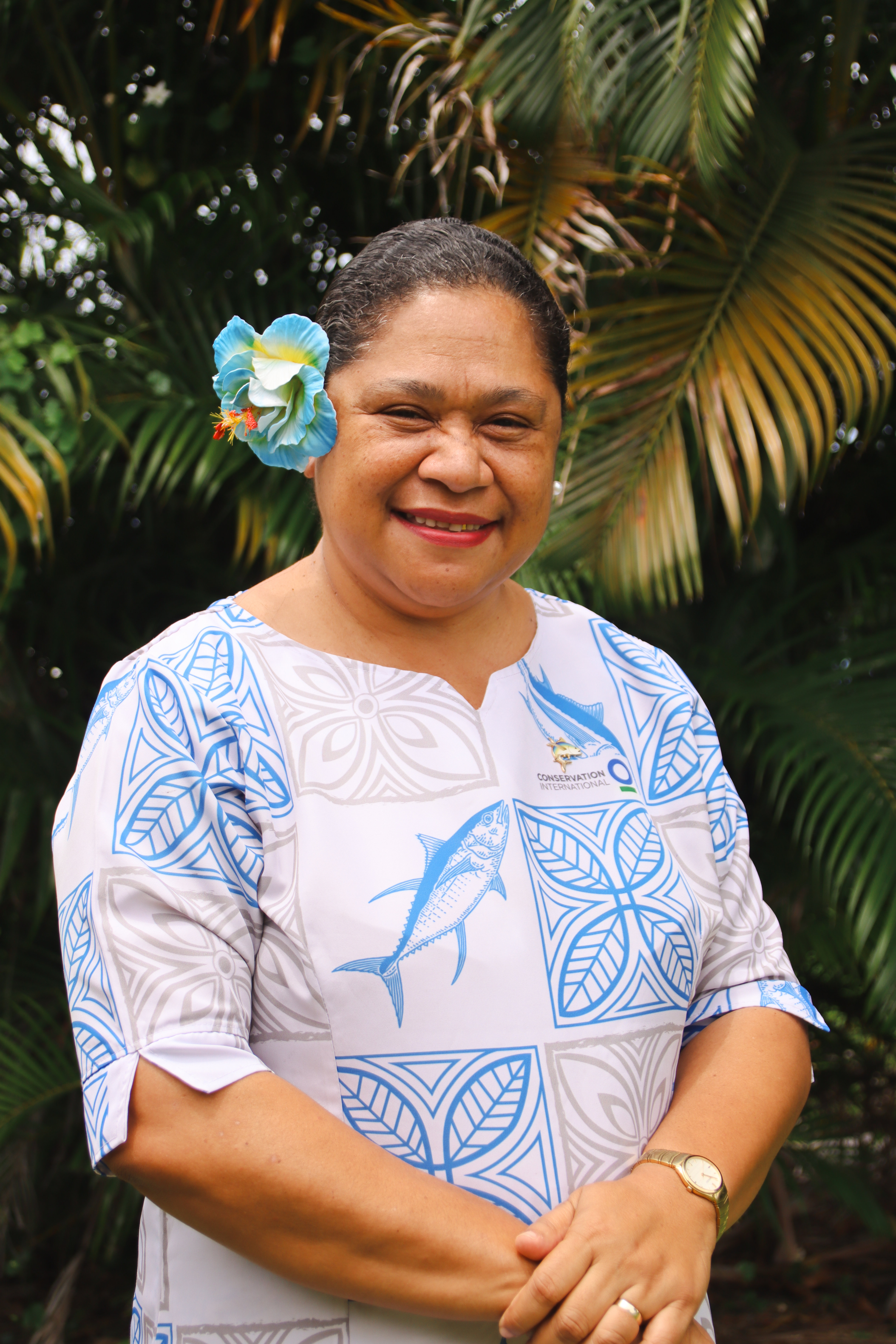
HOSTING Pre-COP31 in Fiji could put Pacific climate priorities at the centre of global negotiations and push world leaders towards action, says Conservation International’s Mere Lakeba.
Lakeba, the organisation’s Interim Head in the Pacific, said bringing the high-level climate discussions to Fiji would connect international negotiations directly with the realities confronting Pacific communities.
“Hosting the Pre-COP in Fiji connects global climate talks directly to the everyday realities Pacific communities are facing, such as sea-level rise, stronger cyclones, and nature loss,” Lakeba said.
She said these impacts extended beyond the environment, affecting livelihoods, culture and the ability of communities to build climate resilient futures.
Although Pacific Island countries contribute only a fraction of global greenhouse gas emissions, Lakeba said they face some of the most severe consequences of climate change.
She said hosting Pre-COP31 will provide an opportunity to ensure Pacific priorities, particularly climate finance, were not relegated to the margins of negotiations.
“Pre-COP lays the groundwork for COP31, and hosting it in Fiji allows Pacific voices to help shape priorities from the outset, bringing governments, Indigenous leaders, experts, and civil society into the process.”
Lakeba said the region could help drive an “implementation-driven COP,” with climate justice, adaptation, and loss and damage among the central issues.
Pacific countries also bring significant experience in ocean governance, climate adaptation, Indigenous knowledge and nature-based resilience.
But ambition needs to be matched by funding. “Pacific nations aren’t short on ambition; the real hurdle is getting the finance to match it,” Lakeba said. She said Pre-COP31 should help build momentum towards accessible, predictable and grant based financing for mitigation, adaption, resilience and loss and damage.
Discussions should also address how funding is distributed and absorbed, while reducing the time communities and countries must wait to access resources.
Lakeba said Fiji’s hosting role was also an opportunity to highlight the Pacific’s experience in integrating climate, ocean and nature solutions.
Pacific nations collectively manage vast areas of ocean. Their Exclusive Economic Zones represent roughly 30 per cent of the global ocean.
Palau and Niue have already made major ocean protection commitments, while Fiji and Samoa have committed to plans to protect 30 per cent of their national waters by 2030, in line with the Global Biodiversity Framework.
Lakeba said effectively managed Marine Protected Areas could benefit communities while contributing to international biodiversity and climate objectives.
However, delivering those ambitions would require financing plans, investment pipelines and partnership that support Pacific priorities.
She said climate, ocean and biodiversity challenges could not be treated separately in a region where communities depend heavily on healthy marine and terrestrial ecosystems.
Connecting those agendas could expand nature-based solutions, including protecting and restoring coral reefs, mangroves, and
forests. Such ecosystems are important for coastal protection, food security, and resilient island economies.
For Lakeba, success at Pre-COP31 and COP31 should ultimately be measured by delivery rather than another round of commitments. “Pacific success isn’t about signing up to more promises; it’s about delivering on the plans already in place and realising Pacific ambition,” she said.
That means ensuring finance reaches communities already protecting and restoring oceans, coastlines, and forests.
Lakeba said Pacific communities have first-hand knowledge of solutions that can protect against rising seas, sustain fishing economies and restore carbon storing ecosystems such as mangroves and seagrasses.
These locally driven approaches, she said, strengthen long-term resilience while remaining connected to Pacific cultures, lands and waters.
“Pacific nations live on the front lines, but we’re not victims. We’re bold leaders driving community-led solutions
which connect climate, nature, and people.”