AT 47 years young, the Association of South Pacific Airlines (ASPA) is closing in on a major milestone – half a century in operation.
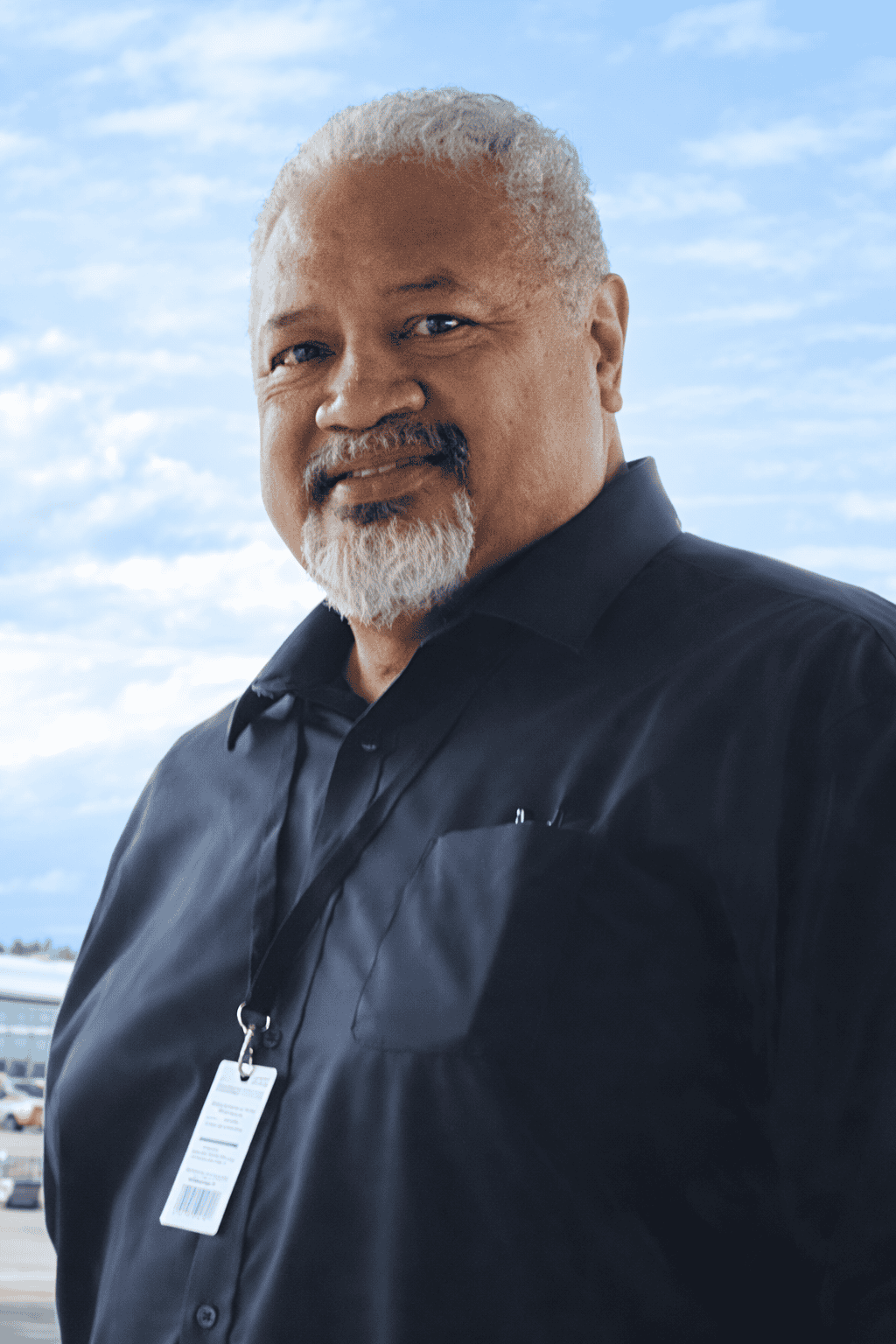
“For an association to be around that long, it’s quite an achievement,” says ASPA Secretary General David Tohi.
“Airlines still see the value in having an Association and that’s why they stay.”
ASPA represents 15 member airlines, with a couple more potentially to join. But in a region defined by vast distances, small population base and scattered island nations, alignment doesn’t come easy. In the Pacific, cooperation isn’t optional – it’s critical.
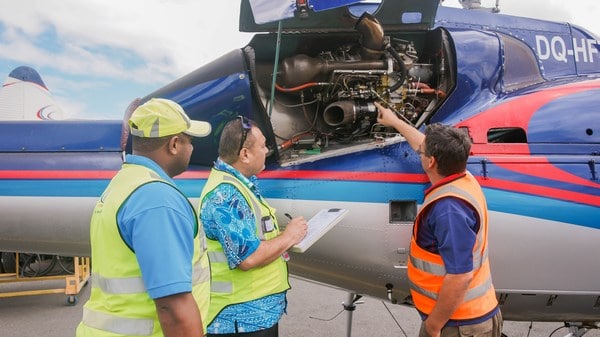
The challenges have only deepened post-COVID. The region lost a wave of experienced pilots and engineers – some to retirement, others to opportunities in Australia and New Zealand.
“Now it’s about rebuilding,” Tohi says. “Getting the next generation trained and ready.”
That’s no quick fix – training a licensed engineer can take up to five years.
Then there’s fuel. Rising costs are one thing; supply is another.
Air Rarotonga has already introduced a fuel levy, with others likely to follow. But if shipments don’t arrive, the consequences are immediate.
“If there’s no fuel, it’s a big problem,” Tohi says. “And the payments don’t stop – aircraft leases are still required to be paid monthly in US dollars.”
For Tohi, the long-term answer lies in rethinking the model. Instead of each nation sustaining its own airline, he sees opportunity in shared approaches.
“Maybe it’s done as a grouping or cohort,” he suggests.
A 2022 Pacific Region Infrastructure Facility (PRIF) report points in that direction, highlighting cooperation talks between Solomon Airlines and Air Vanuatu as a positive step. The concept is straightforward: neighbouring countries—Samoa, Tonga, Niue—pooling resources to operate jointly. Simple in theory. Harder in practice.
National pride, politics and legacy structures all play a role. “There’s a lot of politics involved,” Tohi says.