Trump dumps climate deal

January 30, 2026 • Web Admin •
Share this story:
Trump dumps climate deal
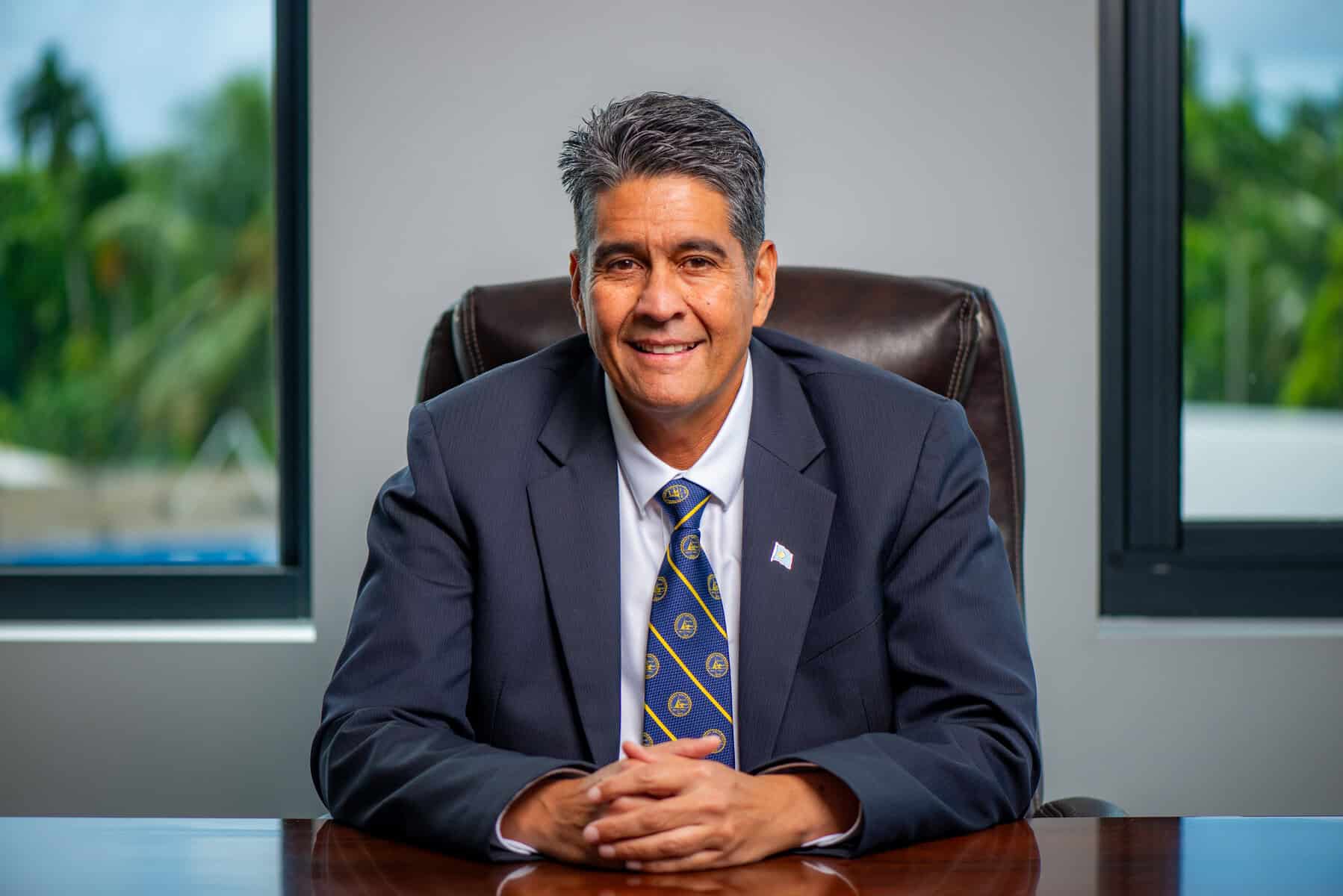
US President Donald Trump

AS President Donald Trump undercuts international law—from Gaza to Venezuela and beyond—the United States (US) has announced it will withdraw from a range of United Nations agencies and other international organisations, including the Secretariat of the Pacific Regional Environment Programme (SPREP).

In February 2025, President Trump signed Executive Order 14199, initiating a State Department review of US involvement in multilateral and international agencies. Nearly a year later, the Trump Administration has now confirmed that the United States will cease funding and support to 31 UN entities and 35 other international organisations.

This US attack on multilateral agencies is especially targeted on bodies involved in climate action, which are of vital importance to Pacific governments and communities that bear the adverse effect of what has been described as the region’s greatest existential threat.

The United States will withdraw from the United NationalFramework Convention on Climate Change (UNFCCC), the Green Climate Fund (GCF) and the Intergovernmental Panel on Climate Change (IPCC), the global scientific network that produces regular Assessment Reports on climate science. The list of 66 organisations released by the US State Department also includes SPREP, the Pacific intergovernmental agency that co-ordinates vital environment programmes, climate action, and regional interventions in the annual UNFCCC Conference of the Parties (COPs).

On January 7, attacking the “globalist project” and “climate orthodoxy”, US Secretary of State Marco Rubio said: “The Trump Administration has found these institutions to be redundant in their scope, mismanaged, unnecessary, wasteful, poorly run, captured by the interests of actors advancing their own agendas contrary to our own, or a threat to our nation’s sovereignty, freedoms, and general prosperity.

“It is no longer acceptable to be sending these institutions the blood, sweat, and treasure of the American people, with little to nothing to show for it. The days of billions of dollars in taxpayer money flowing to foreign interests at the expense of our people are over.”

For US allies in the Pacific like Australia and New Zealand, this latest folly from the Trump Administration undercuts years of Western rhetoric about respect for international law and the “rules-based order”. As the ANZUS allies mobilise to limit the influence of China in the Pacific, the latest US attack on multilateralism creates new headaches and pressure on stretched aid budgets.

At the same time, the United States is expanding military programmes in the northern Pacific, with new shipyards in Pearl Harbour, Hawai’i, and the construction of airstrips and military supply dumps in Guam, CNMI, Palau and FSM. Australia may need to pick up the slack to replace some US funding in the region, even as Canberra transfers billions of dollars to US shipyards to try to speed up US nuclear submarine construction under the AUKUS agreement.

US policy hits Pacific

The looming withdrawal of US funding, membership, and support from the 66 named agencies will have mixed results. For some, US funding made a significant budgetary contribution, but in many cases, the US is not a major donor or had already reduced funding after the recent closure of the US Agency for International Development (USAID).

Under the latest policy, UN agencies operating in the Pacific will be affected, such as ESCAP, UN Oceans, UN Water, UN Women, and the UN Population Fund (UNFPA), which supports maternal and child health, and combats sexual and gender-based violence. Last year, the Trump Administration also abandoned UN structures such as the UN Human Rights Council and World Health Organization (WHO).

The United States allocated 17.1 per cent of SPREP member contributions in 2024–25 (second only to Australia). However, this annual administrative contribution is only a small amount, and the United States is not a significant funder for SPREP programmes and operations.

Unlike the Pacific Islands Forum, colonial powers like the United States, France and Britain are full members of regional technical organisations like SPREP and the Pacific Community (SPC). The irony of the current US purge is that the Pacific Community is not included, even though the SPC has extensive programmes on climate and oceans.

The Lowy Institute Aid Map reports that around 80 per cent of US funding to the Pacific Islands is focussed on the three Compact States in the northern Pacific: Palau, Marshall Islands, and Federated States of Micronesia. US aid funding to South Pacific nations is much more limited, although the 2025 closure of USAID damaged some US-funded initiatives, such as vaccination programmes in Melanesia and regional media programmes (including the closure of Radio Free Asia’s hub in Brisbane that served the Pacific Islands).

The Lowy Institute, however, notes that “the cuts are also reputationally damaging for the United States, reinforcing perceptions of inconsistency and amplifying China’s diplomatic narratives about American unreliability.”

Assault on climate action

Even as many governments around the world cut back climate funding and fail to expand emissions reduction targets, the Trump Administration stands out for its denial of science and sabotage of co-ordinated global action.

A day after his inauguration in January 2025, President Trump withdrew his nation from the 2015 Paris Agreement on Climate Change, joining Iran, Libya, and Yemen as the only countries in the world outside the global compact. This was the second time that Trump withdrew from the international climate agreement. On June 1, 2017, during his first term in office, Trump announced the United States would cease all participation in the Paris Agreement, arguing that climate change was a “scam”, with the Paris Agreement designed to attack the US economy.

Now, the new decision to withdraw from the UNFCCC makes the United States the only country in t he world that is not part of the over-arching climate framework convention, first adopted at the Rio Conference on Environment and Development in 1992.

In a statement, UNFCCC Executive Secretary Simon Stiell called the decision “a colossal own goal which will leave the US less secure and less prosperous.


“While all other nations are stepping forward together,” Stiell said, “this latest step back from global leadership, climate cooperation and science can only harm the US economy, jobs and living standards, as wildfires, floods, megastorms and droughts get rapidly worse.”

The Trump Administration is also abandoning the Green Climate Fund (GCF), the global funding mechanism for climate mitigation and adaptation. On January 8, US Treasury Secretary Scott Bessant announced that “the United States is withdrawing from the Fund and stepping down from its seat on the GCF Board, effective immediately.”

Bessant argued that “our nation will no longer fund radical organisations like the GCF whose goals run contrary to the fact that affordable, reliable energy is fundamental to economic growth and poverty reduction.”

Last year, the Trump Administration had already cancelled$USD4 billion in outstanding GCF commitments made by the previous US administration led by President Joe Biden – money pledged to the global fund but never approved by the US Senate. As they promote the new Pacific Resilience Facility (PRF), some Forum leaders have criticised the GCF’s complex bureaucracy and lengthy application process. However, the GCF has contributed hundreds of millions of dollars in grants to Forum Island Countries since it was established in 2012.


Trump dumps climate deal

January 30, 2026 • Web Admin •
Share this story:
Trump dumps climate deal
US President Donald Trump

AS President Donald Trump undercuts international law—from Gaza to Venezuela and beyond—the United States (US) has announced it will withdraw from a range of United Nations agencies and other international organisations, including the Secretariat of the Pacific Regional Environment Programme (SPREP).

In February 2025, President Trump signed Executive Order 14199, initiating a State Department review of US involvement in multilateral and international agencies. Nearly a year later, the Trump Administration has now confirmed that the United States will cease funding and support to 31 UN entities and 35 other international organisations.

This US attack on multilateral agencies is especially targeted on bodies involved in climate action, which are of vital importance to Pacific governments and communities that bear the adverse effect of what has been described as the region’s greatest existential threat.

The United States will withdraw from the United NationalFramework Convention on Climate Change (UNFCCC), the Green Climate Fund (GCF) and the Intergovernmental Panel on Climate Change (IPCC), the global scientific network that produces regular Assessment Reports on climate science. The list of 66 organisations released by the US State Department also includes SPREP, the Pacific intergovernmental agency that co-ordinates vital environment programmes, climate action, and regional interventions in the annual UNFCCC Conference of the Parties (COPs).

On January 7, attacking the “globalist project” and “climate orthodoxy”, US Secretary of State Marco Rubio said: “The Trump Administration has found these institutions to be redundant in their scope, mismanaged, unnecessary, wasteful, poorly run, captured by the interests of actors advancing their own agendas contrary to our own, or a threat to our nation’s sovereignty, freedoms, and general prosperity.

“It is no longer acceptable to be sending these institutions the blood, sweat, and treasure of the American people, with little to nothing to show for it. The days of billions of dollars in taxpayer money flowing to foreign interests at the expense of our people are over.”

For US allies in the Pacific like Australia and New Zealand, this latest folly from the Trump Administration undercuts years of Western rhetoric about respect for international law and the “rules-based order”. As the ANZUS allies mobilise to limit the influence of China in the Pacific, the latest US attack on multilateralism creates new headaches and pressure on stretched aid budgets.

At the same time, the United States is expanding military programmes in the northern Pacific, with new shipyards in Pearl Harbour, Hawai’i, and the construction of airstrips and military supply dumps in Guam, CNMI, Palau and FSM. Australia may need to pick up the slack to replace some US funding in the region, even as Canberra transfers billions of dollars to US shipyards to try to speed up US nuclear submarine construction under the AUKUS agreement.

US policy hits Pacific

The looming withdrawal of US funding, membership, and support from the 66 named agencies will have mixed results. For some, US funding made a significant budgetary contribution, but in many cases, the US is not a major donor or had already reduced funding after the recent closure of the US Agency for International Development (USAID).

Under the latest policy, UN agencies operating in the Pacific will be affected, such as ESCAP, UN Oceans, UN Water, UN Women, and the UN Population Fund (UNFPA), which supports maternal and child health, and combats sexual and gender-based violence. Last year, the Trump Administration also abandoned UN structures such as the UN Human Rights Council and World Health Organization (WHO).

The United States allocated 17.1 per cent of SPREP member contributions in 2024–25 (second only to Australia). However, this annual administrative contribution is only a small amount, and the United States is not a significant funder for SPREP programmes and operations.

Unlike the Pacific Islands Forum, colonial powers like the United States, France and Britain are full members of regional technical organisations like SPREP and the Pacific Community (SPC). The irony of the current US purge is that the Pacific Community is not included, even though the SPC has extensive programmes on climate and oceans.

The Lowy Institute Aid Map reports that around 80 per cent of US funding to the Pacific Islands is focussed on the three Compact States in the northern Pacific: Palau, Marshall Islands, and Federated States of Micronesia. US aid funding to South Pacific nations is much more limited, although the 2025 closure of USAID damaged some US-funded initiatives, such as vaccination programmes in Melanesia and regional media programmes (including the closure of Radio Free Asia’s hub in Brisbane that served the Pacific Islands).

The Lowy Institute, however, notes that “the cuts are also reputationally damaging for the United States, reinforcing perceptions of inconsistency and amplifying China’s diplomatic narratives about American unreliability.”

Assault on climate action

Even as many governments around the world cut back climate funding and fail to expand emissions reduction targets, the Trump Administration stands out for its denial of science and sabotage of co-ordinated global action.

A day after his inauguration in January 2025, President Trump withdrew his nation from the 2015 Paris Agreement on Climate Change, joining Iran, Libya, and Yemen as the only countries in the world outside the global compact. This was the second time that Trump withdrew from the international climate agreement. On June 1, 2017, during his first term in office, Trump announced the United States would cease all participation in the Paris Agreement, arguing that climate change was a “scam”, with the Paris Agreement designed to attack the US economy.

Now, the new decision to withdraw from the UNFCCC makes the United States the only country in t he world that is not part of the over-arching climate framework convention, first adopted at the Rio Conference on Environment and Development in 1992.

In a statement, UNFCCC Executive Secretary Simon Stiell called the decision “a colossal own goal which will leave the US less secure and less prosperous.


“While all other nations are stepping forward together,” Stiell said, “this latest step back from global leadership, climate cooperation and science can only harm the US economy, jobs and living standards, as wildfires, floods, megastorms and droughts get rapidly worse.”

The Trump Administration is also abandoning the Green Climate Fund (GCF), the global funding mechanism for climate mitigation and adaptation. On January 8, US Treasury Secretary Scott Bessant announced that “the United States is withdrawing from the Fund and stepping down from its seat on the GCF Board, effective immediately.”

Bessant argued that “our nation will no longer fund radical organisations like the GCF whose goals run contrary to the fact that affordable, reliable energy is fundamental to economic growth and poverty reduction.”

Last year, the Trump Administration had already cancelled$USD4 billion in outstanding GCF commitments made by the previous US administration led by President Joe Biden – money pledged to the global fund but never approved by the US Senate. As they promote the new Pacific Resilience Facility (PRF), some Forum leaders have criticised the GCF’s complex bureaucracy and lengthy application process. However, the GCF has contributed hundreds of millions of dollars in grants to Forum Island Countries since it was established in 2012.