RHEUMATIC heart disease (RHD) continues to place a significant burden on Pacific health systems.
Regional leaders warn that late diagnosis, weak health data systems, and poor access to early care are turning a preventable illness into a life-threatening crisis.
Health experts estimate that one–three per cent of people in the Pacific are living with RHD or its precursor, acute rheumatic fever (ARF). This burden is comparable to rates seen in marginalised Aboriginal Australian and Torres Strait Islander communities, as well as sub-Saharan Africa.
The consequences are severe.
In countries such as Vanuatu and Solomon Islands, around one in three overseas medical transfers are for RHD-related heart surgery, often because patients present with advanced disease due to limited diagnostic capacity and delays in accessing early treatment.
Despite its impact, 100 per cent of RHD cases are preventable, yet inequities in housing, sanitation, and healthcare access continue to drive infections that begin with something as simple as an untreated sore throat – resulting in premature deaths, loss of young lives, and lasting trauma for families and communities.
Dr Joseph Kado, Pacific RHD Program Director, said one of the biggest challenges is that patients are still presenting too late for effective prevention, often reaching health facilities only after severe heart damage has occurred.
“We as Pacific peoples… are overrepresented in rheumatic heart disease rates,” Kado said. “We don’t go to get it treated until the child ends up becoming breathless.”
He said RHD remained largely driven by untreated strep infections, overcrowded living conditions, limited sanitation, and delays in treating common illnesses such as sore throats and skin infections.
Kado said gaps in health information systems undermined progress, with inconsistencies between patient-held records and national databases, making it difficult to accurately track treatment adherence and programme performance.
“Sometimes, the nurse forgets to log it… so, it’s not captured in the system,” he said.
These weaknesses contribute to delayed intervention and poor continuity of care, with many patients ultimately requiring overseas heart surgery costing between $AUD80,000 and $100,000 per case.
Kado called for stronger regional coordination and investment in local cardiac care, warning that relying on costly overseas treatment is unsustainable for Pacific health systems.
He emphasised the need for better access to prevention and early diagnosis, as well as equitable training and pay for Pacific health workers to retain vital expertise in the region.
“If we are serious about tackling RHD, we must build our own capacity and ensure our specialists are supported to stay
and serve our communities,” Kado said.
Vaka Mauri Collective
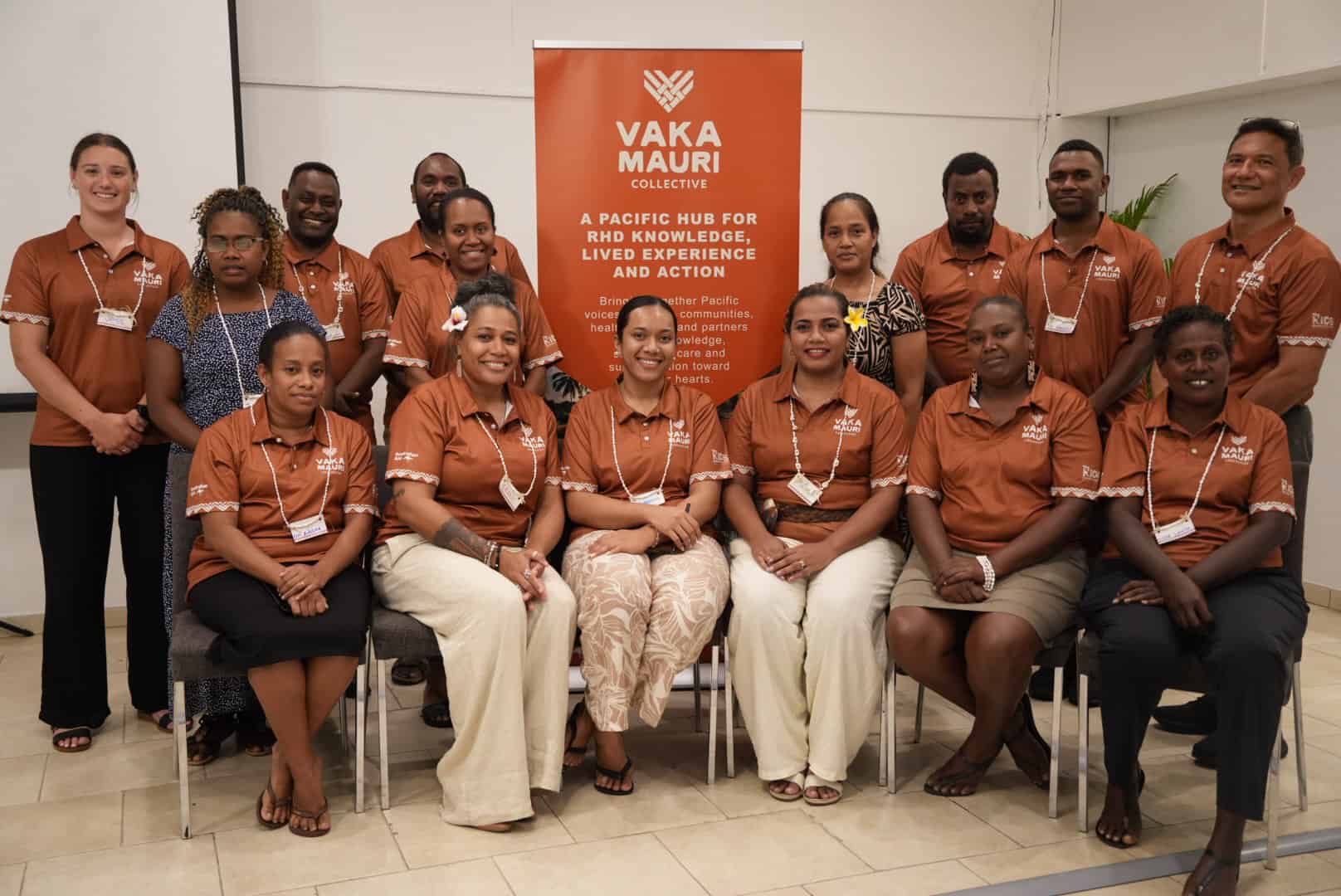
Pacific health leaders, community advocates, and people with lived experience have launched the Vaka Mauri Collective, a Pacific-led hub aimed at strengthening regional coordination, knowledge-sharing, and community voices in response to RHD.
The initiative is designed to improve prevention, strengthen early detection, and ensure lived experience is embedded in policy and programme development across the region.
Experts urge stronger prevention
Associate Professor Rosemary Wyber of The Kids Research Institute Australia and the Australian National University said RHD is closely linked to environmental and social conditions that facilitate the spread of Strep A infections, particularly overcrowding and limited access to hygiene facilities.
“That Strep A germ spreads more easily in places where people live close in a house,” she said.
She said repeated infections over time can lead to rheumatic heart disease, which often requires complex and costly surgery that is not always successful and can be traumatic for families.
Wyber said countries across the Pacific increasingly called for stronger clinical guidelines, better data systems, and dedicated RHD registers to improve monitoring and patient care.
She said a key challenge was that RHD affects multiple parts of the health system—from paediatrics to adult medicine, maternal health and public health—making coordinated responses essential.
She added that initiatives such as the Vaka Mauri Collective provide an opportunity to connect expertise and strengthen prevention-focused approaches across the region.
Solomon Islands faces workforce gaps
In Solomon Islands, RHD Program Director Harold Maesulia said lack of awareness among both health workers and communities remains a major barrier to tackling the disease.
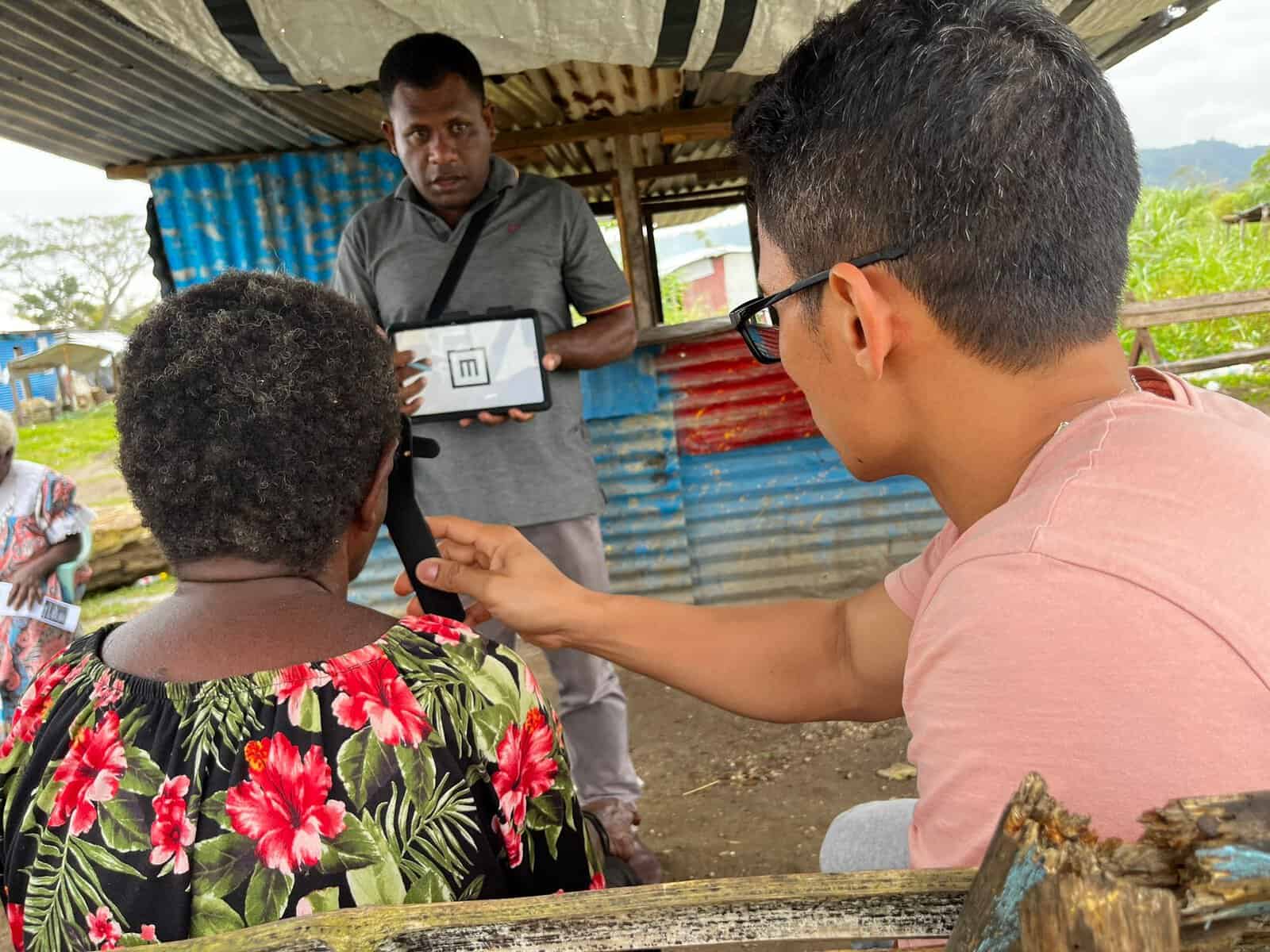
He said school-based screening has already shown high levels of RHD, with some schools identifying around 10 cases in populations of about 500 students.
“The biggest challenge is lack of awareness, not only for patients but for health workers as well.”
However, he said progress has been limited by workforce shortages, including the departure of the country’s only trained doctor capable of conducting echocardiography screening.
“Currently, we do not have any local doctors that can do echo screening,” he said.
Maesulia said inconsistent information given to patients at health facilities also affects treatment adherence and trust in
the system.
He said peer support groups have helped families better understand the emotional, financial, and psychological impacts of the disease and encouraged stronger community engagement.
Vanuatu focuses on data and training
Vanuatu National RHD Coordinator Melissa Binihi said the country’s programme is still in its early development phase, having started in November last year.
She said governance structures are now in place, including a Technical Working Group and Steering Committee involving
the Ministry of Health and regional partners.
Binihi said Vanuatu is developing patient registries and transitioning from paper-based systems to electronic platforms aligned with the national DHIS2 health information system.
She said a key priority is strengthening clinical guidelines by incorporating lived experience before national training
programmes are rolled out.
However, she said limited specialist capacity remains a major challenge, with only a small number of clinicians currently able to conduct echocardiography screening.
Most severe cases are still referred overseas, highlighting the need to first build workforce capacity before investing in
equipment.
“We need to strengthen the health system in all areas in line with RHD… we cannot do this alone.”
She said the programme is embedded within the Ministry of Health’s non-communicable diseases division, helping elevate RHD as a national priority while strengthening collaboration and regional learning.
“It starts with a sore throat… ”
A Samoan mother living with rheumatic heart disease says early awareness and treatment can save lives after her family experienced the disease across three generations.
Nadia Lakena is a 35-year-old survivor of RHD, along with her daughter and mother.
She said what began as a simple sore throat in her daughter escalated into severe illness and heart complications shortly after they returned from New Zealand.
“I thought it was just a normal flu… but then we found out she also had RHD,” Lakena said.
She said the experience became life-threatening, forcing urgent overseas treatment.
“I almost lost her,” she said.
Her daughter was eventually treated in India, which Lakena described as fast and life-saving.
“It’s like a blink of an eye – surgery done,” she said.
Lakena said the journey was emotionally overwhelming but reinforced the importance of early intervention and awareness.
“It starts with a sore throat… don’t just think it’s nothing,” she said.
She called for more compassionate, culturally sensitive Pacific health systems, emphasising that families affected by RHD must feel “seen, heard, and supported” by their communities and health providers.