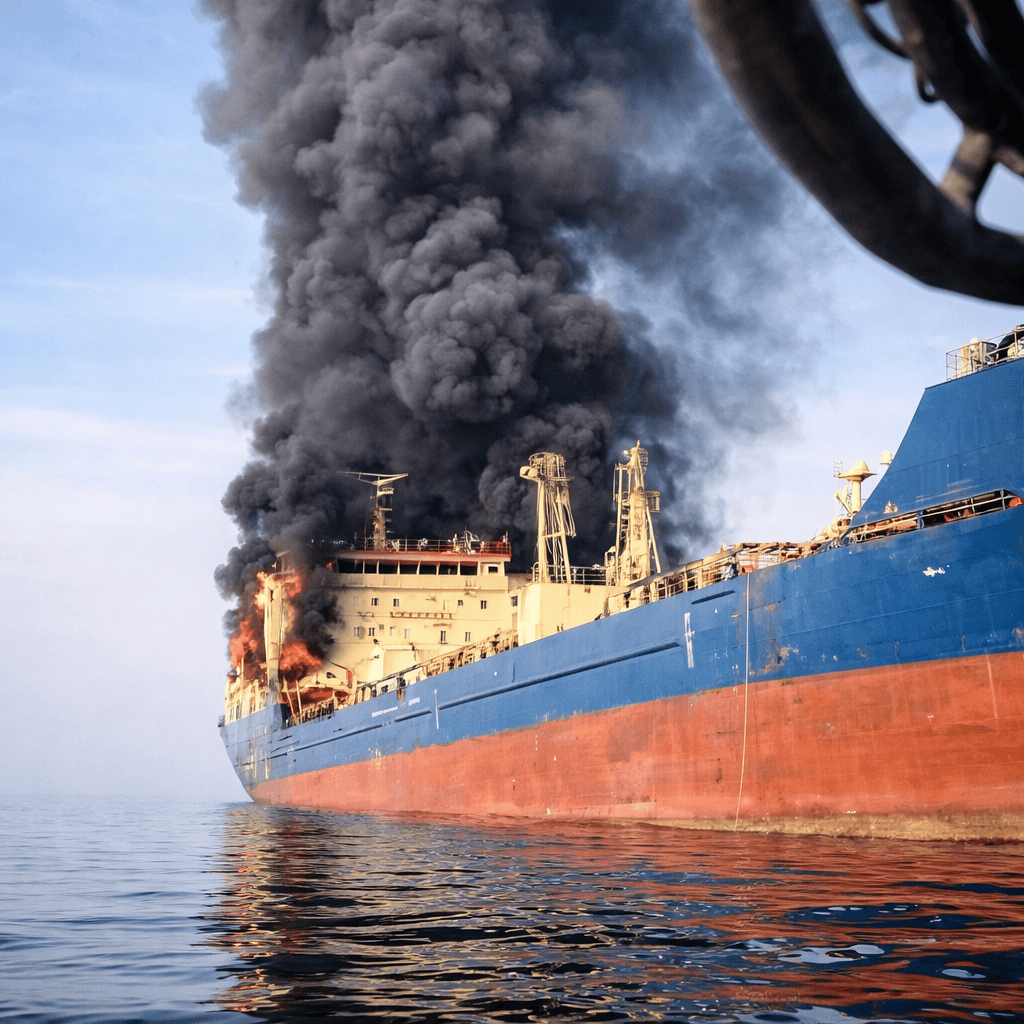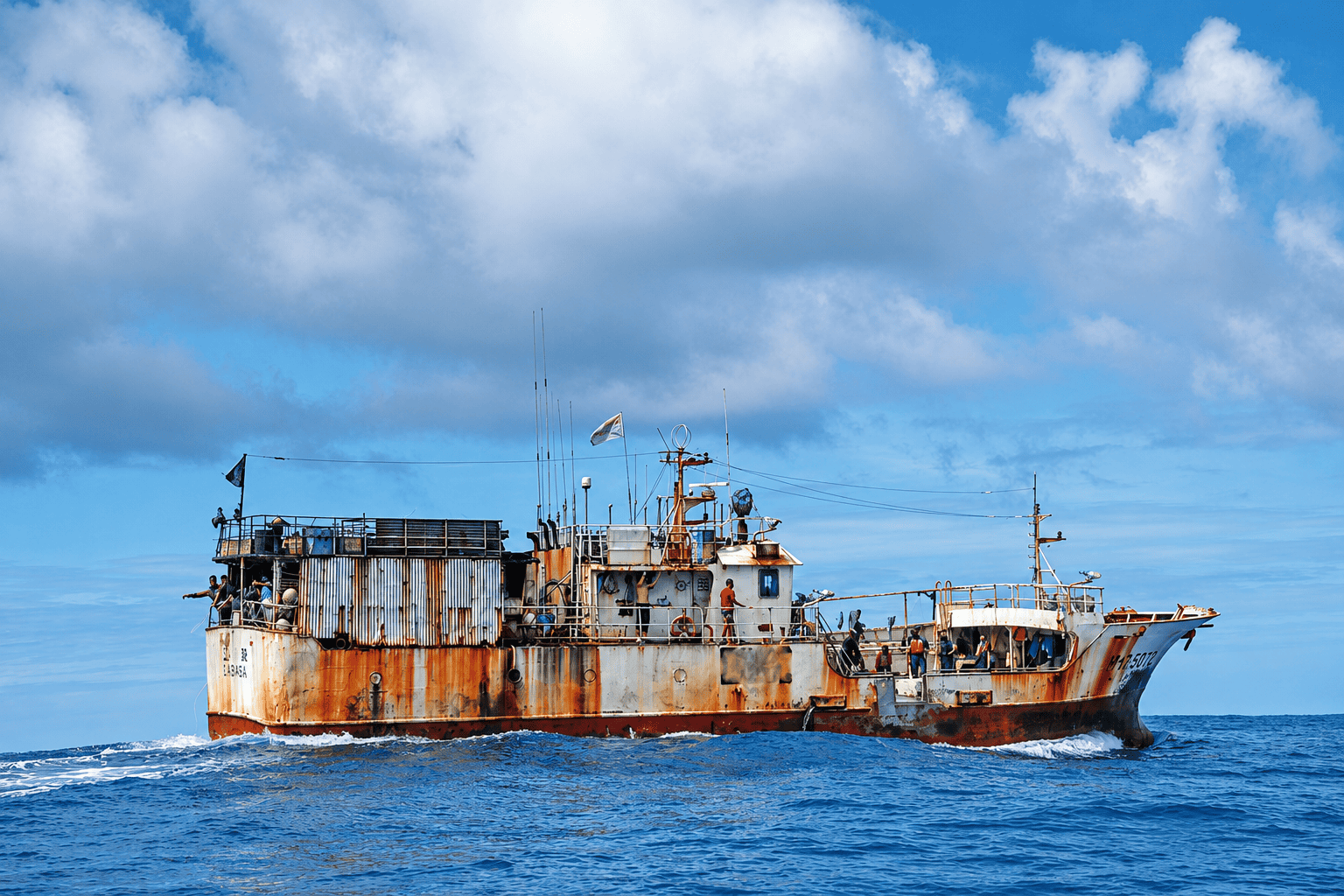
HOW many people died to put a can of tuna into your kitchen cupboard? That’s not a question people are likely to ask as they walk the supermarket aisles or lean across the counter of the neighbourhood shop.
But over the last 11 years, at least 14 fisheries observers have died at sea while monitoring the large number of boats which traverse the Pacific Ocean in pursuit of 60 per cent of the tuna which ends up in homes around the world.
Most, if not all, of those deaths have happened under mysterious circumstances. The deaths have sometimes been blamed on accidents and in some cases, the observers have merely vanished overnight.
Being a fisheries observer is a dangerous job when the data you collect has the potential to put a company out of business and render the vessel’s crew jobless. The observer is deep within the belly of the beast without friends or support.
Observers have been described as the eyes and ears of a country. Their work, however, takes place under a foreign flag with people who do not share the same language or culture.
It can be lonely, intimidating, and dangerous. The observers are isolated and vulnerable.
They are at the mercy of the captain and crew who are often driven by the need to make profit for the ship owner.
The true extent of murders at sea cannot be established. Governments do not pry because investigations could harm the multi-million-dollar investments in the local economy. In some cases, officials have been paid off to remain silent.
Tuna companies fail to cooperate because the knowledge of illegal activities at sea would reveal the breaches of licence conditions, which occur every day in areas far from the public eye.
And the crews say nothing for fear of losing employment, which is already difficult to find in the islands.
By law, Pacific nations require purse seine vessels—which use a large net to trap schools of fish species, such as skipjack and yellowfin tuna—to have 100 per cent observer coverage.
The long line vessels—which deploy kilometres of baited hooks—have lower requirements and rely on other methods like electronic monitoring to ensure compliance with regional and international regulations.
Electronic surveillance, however, has been insufficient to protect observers. At least two people have been known to fall overboard while drugged or drunk in full view of cameras installed on ships.
The fact that the deaths often occur in either international or contested waters means the authorities are reluctant to initiate investigations which involve multiple jurisdictions and agencies.
Kiribati observer Eritara Kaierua died in 2020 aboard the Taiwanese-flagged vessel Win Far 636, apparently from a severe blow to the head. The Fijian pathologist later retracted his findings and Kaierua’s family continues to seek justice.
Observers are not the only people who die at sea. Fishermen from Cook Islands, Indonesia, Fiji, Ghana, Philippines have died under mysterious circumstances while fishing in the Pacific.
Few, if any, of these deaths have been investigated despite the best efforts of the Human Dignity Group (HDG) – a small non-profit organisation which operates out of the Fijian capital, Suva.
On file, HDG has 22 recorded deaths at sea aboard vessels operating out of Fiji. The list is by no means conclusive, however, it is an indication of the high cost of placing tuna on a plate.
It also speaks to the lengths to which tuna companies and local authorities will cooperate to cover up deaths which threaten the profits of businessmen and the licensing fees of governments.
Pacific governments owe a duty of care to their people, which must be shown through timely investigation of these deaths. They must also ensure that tuna fleets have full observer coverage and that these national representatives—for that is what they are—receive every possible protection