THE Pacific’s aviation sector is at a critical crossroads. While global demand for skilled professionals reaches new heights, small island states are losing the battle against a push–pull effect that drains local talent and leaves vital safety oversight roles vacant.
Retaining aviation talent is particularly difficult in the Pacific because the pool of individuals who meet strict technical requirements is extremely limited.
Skilled professionals often seek better remuneration and career progression overseas, leaving small island states unable to compete with global market forces. A major inhibitor to growth is that many Pacific youths are unaware that aviation regulation and safety oversight offer stable, meaningful professional careers.
While roles like pilots and air traffic controllers are well known, the technical and regulatory disciplines remain invisible, making it difficult to determine whether young people are actively avoiding the field or simply unaware of its existence.
Even when interest exists, the prohibitive personal costs and lengthy training pathways required for aviation roles act as strong deterrents for local candidates.
To secure the industry’s future, experts emphasise that the region needs consistent, structured engagement between Civil Aviation Authorities (CAAs) and operators.
This involves moving beyond occasional audits to regular dialogue through national facilitation (FAL) mechanisms, which not only improves regulatory compliance but also raises the professional profile of the aviation sector for the next generation.
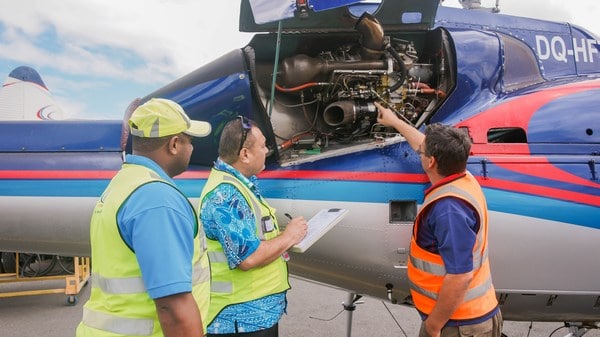
The sustainability of Pacific skies depends on elevating the visibility of safety professionals, such as inspectors and regulators, and transforming them into recognised, long-term career paths for local talent.