TWO decades ago, the concept of a shared aviation safety model for the Pacific was an ambitious experiment. Today, it is an indispensable regional lifeline.
After more than 20 years of evolution, the Pacific Aviation Safety Office (PASO) has transitioned from a fledgling organisation into a mature and essential safety resource for Member States, which cannot independently sustain full oversight.
Backed by institutional strengthening from New Zealand and the World Bank, PASO is now leveraging sophisticated tools like the Comprehensive Oversight Implementation Framework (COIF) and a structured service menu to move toward a more transparent, system-based approach to aviation security.
No longer experimental, this regional oversight model has solidified into a stable and credible system, ensuring that the Pacific’s critical air links—the very lifelines of the region— remain compliant, risk-resilient, and safe for the future.
PASO is leveraging its role as a key regional advocate to accelerate aviation safety improvements across the Pacific, despite facing significant resource constraints that have slowed the implementation of critical regulatory systems.
While the organisation has successfully positioned aviation as a vital enabler of regional priorities such as economic development and climate resilience, it is currently working to overcome delays in raising Member States’ Effective Implementation (EI) scores through the rollout of the newly endorsed COIF.
PASO officials acknowledge that while structural building blocks—including the COIF approved in May 2025 and an early finalised service menu—are now in place, the pace of reform has been hampered by limited financial and technical resources.
The organisation is prioritising enhanced safety standards by assisting member nations meet international compliance requirements.
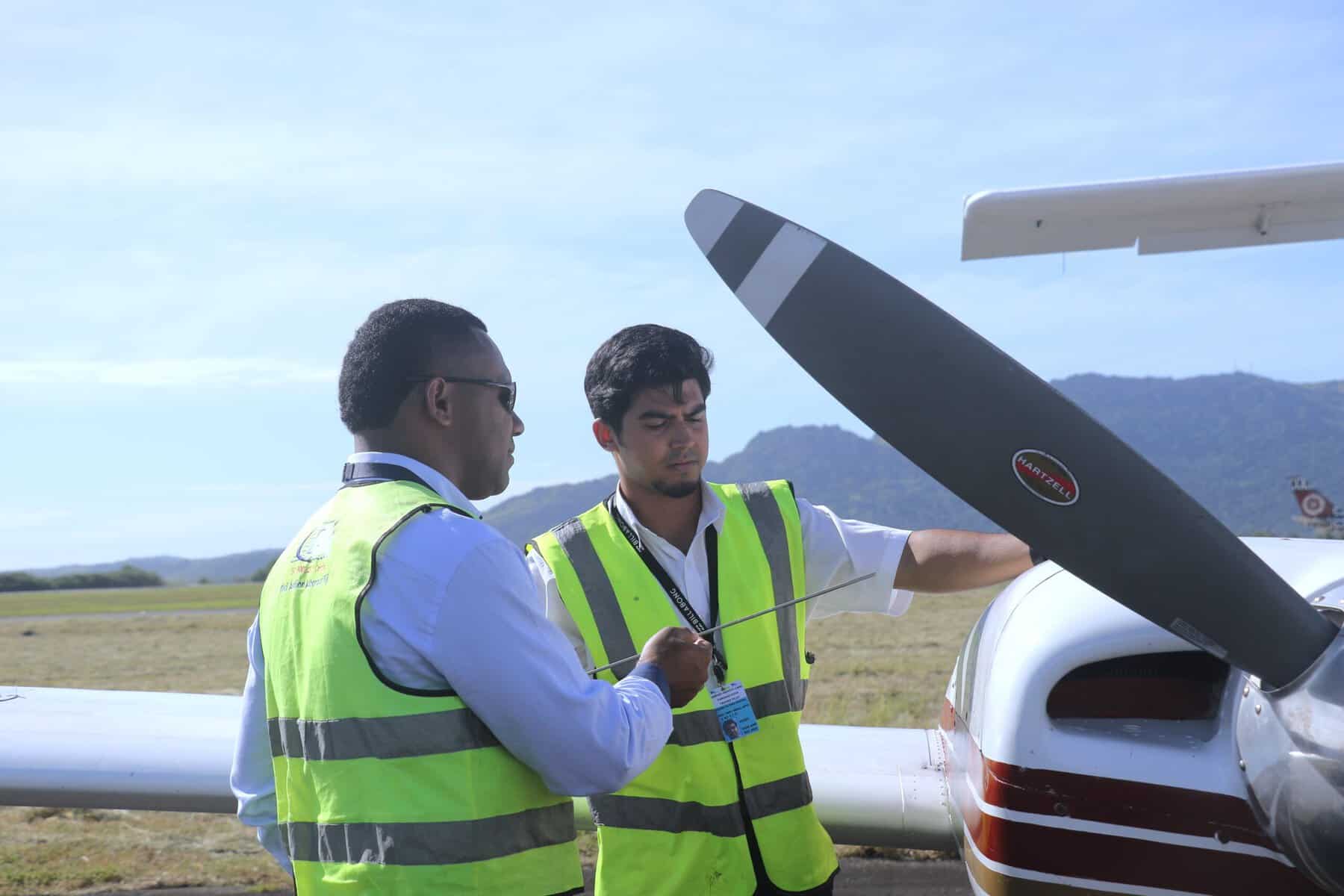
PASO focuses on building local expertise through a specialised pool of regional inspectors to support countries with limited resources.
This strategy emphasises national sovereignty, ensuring that individual states retain authority over their own safety decisions while benefiting from shared technical knowledge.
Success will be defined by achieving sustainable oversight systems that move away from temporary solutions toward long-term operational stability. The goal is to foster a secure aviation environment in which Pacific nations can confidently maintain safety protocols through cooperation and improved implementation.