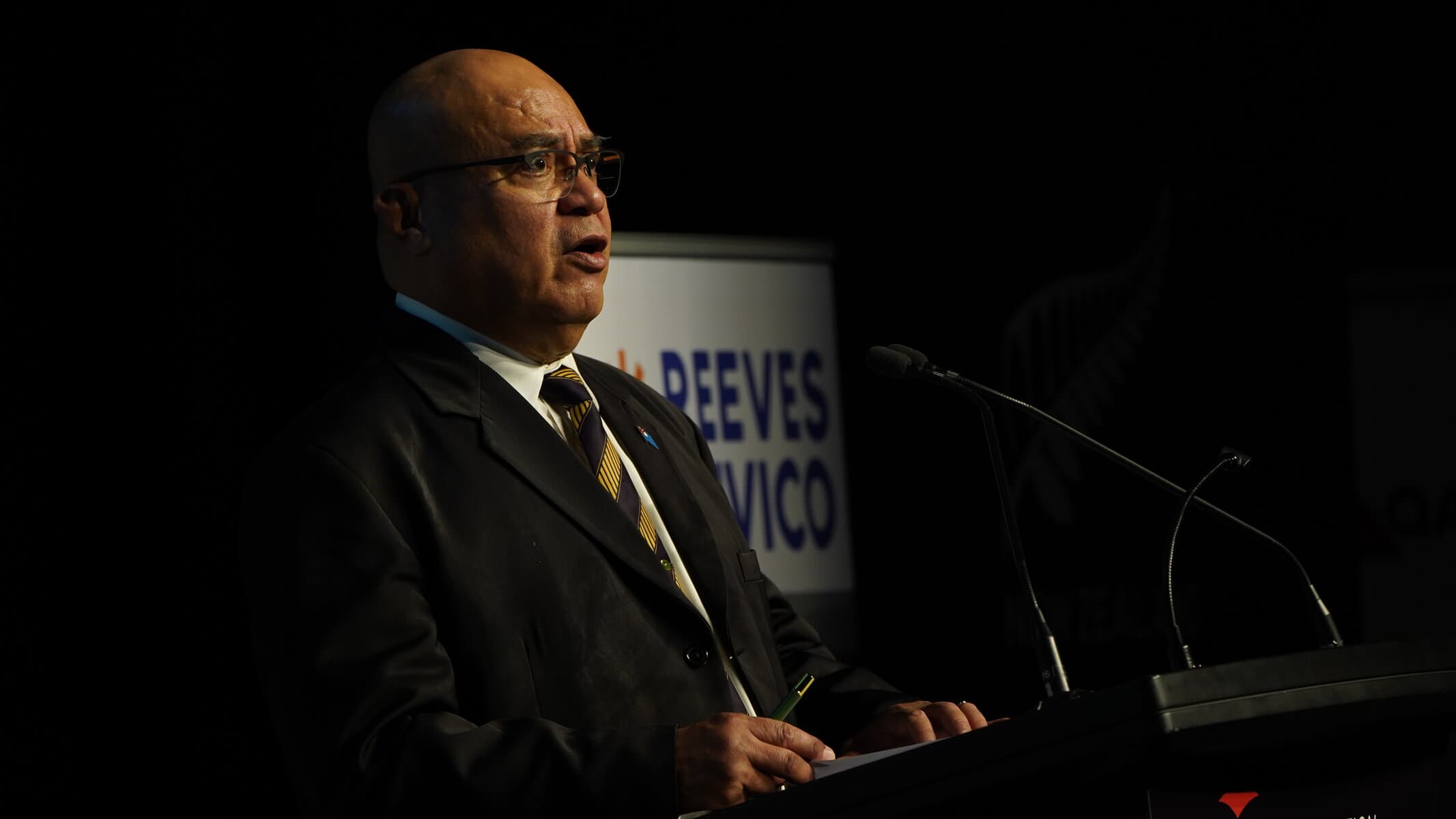
Pride Month, for Professor Jioji Ravulo, is more than a celebration – it’s a call to build “inclusive societies that celebrate diversity in all its forms.
“It’s about visibility and ensuring that people who are often marginalised feel recognised and included within their communities, workplaces, and social services,” he adds.
As communities across the globe reflect on Pride Month, his message resonates deeply in the Pacific, where cultural identity and queerness often intersect in complex ways.
Ravulo is Chair of Social Work and Policy Studies at the University of Sydney and the University of the South Pacific. He shared his insights on the evolving place of LGBTQ+ communities in Pacific societies and the critical role of reclaiming indigenous histories to foster acceptance.
He noted that views on LGBTQ+ communities in the Pacific are shifting but not without challenges. “If you contribute to your community, people don’t really care about your gender and sexual diversity,” he says. “It’s the collective that matters. But we still need to address the stigma that exists in key areas of life.”
Ravulo, whose father is Fijian and mother Australian, has devoted much of his career to working with children, young people, and communities across the Pacific. More recently, he has focused his research on gender and sexual diversity, aiming to promote social work that supports all members of society, including those within LGBTQ+ communities.
He highlights the importance of understanding history in shaping attitudes today. “If you look at pre-colonial practices of gender and sexuality, a lot of the time, our Pacific communities were fluid and flexible. They weren’t fixed,” he says. “Many of our current rigid views came from colonial influences.”
Reclaiming this heritage, he explains, is not just about restoring cultural truth, but also about healing. “Understanding where we come from helps us shape a more inclusive future,” he says.
Yet despite a history of inclusion, LGBTQ+ Pacific Islanders face significant obstacles today.
Discrimination in healthcare is common, with queer individuals fearing stigma or mistreatment from medical professionals. “We see accounts where health professionals blame queer patients for their health issues, saying they deserve it because they are queer,” Ravulo shares.
Similarly, when LGBTQ+ people report crimes, police responses are often dismissive, further isolating victims. “A key barrier is the failure to see LGBTQ+ people as fully human and part of the community,” he says. “Why are we not practicing the values of reciprocity and care toward everyone?”
Still, he finds hope in the strength and solidarity within queer communities. “You’ll find a lot of queer people championing the cause for those who are left behind, including women, children, and climate activists,” he noted.
“Many climate activists in the Pacific are queer themselves.”
His message to the LGBTQI+ community is clear: “You are loved, you belong, and you are part of something bigger. Despite challenges, continue to be your authentic self and know you have support.”
Ravulo also highlighted the Pacific Sexual and Gender Diversity Network (PSGDN) as an initiative making a difference. “They do wonderful work,” he said, urging people to connect with their events and online resources.
“I hope to see a Pacific where everyone can be their authentic selves, where people can love whoever they want. If we go back to our traditional values—where all matter and contribute—we can build truly inclusive communities.”