The change in chairmanship of the Melanesian Spearhead Group (MSG) allows for new initiatives in this sub-regional bloc.
But do the Melanesian leaders have the courage to address the huge elephants which exist in the room occupied by Fiji, Kanaky (New Caledonia), Papua New Guinea, Solomon Islands, and Vanuatu?
And how far are they willing to push the boundaries of bipartisanship and regionalism to implement reforms that will see greater inclusivity for Pacific people, who remain under the yoke of colonisation?
Influenced by Fiji’s previous government and the leadership of Frank Bainimarama, the MSG opened its doors to Indonesia as an associated member but kept the West Papuan independence movement out in the cold.
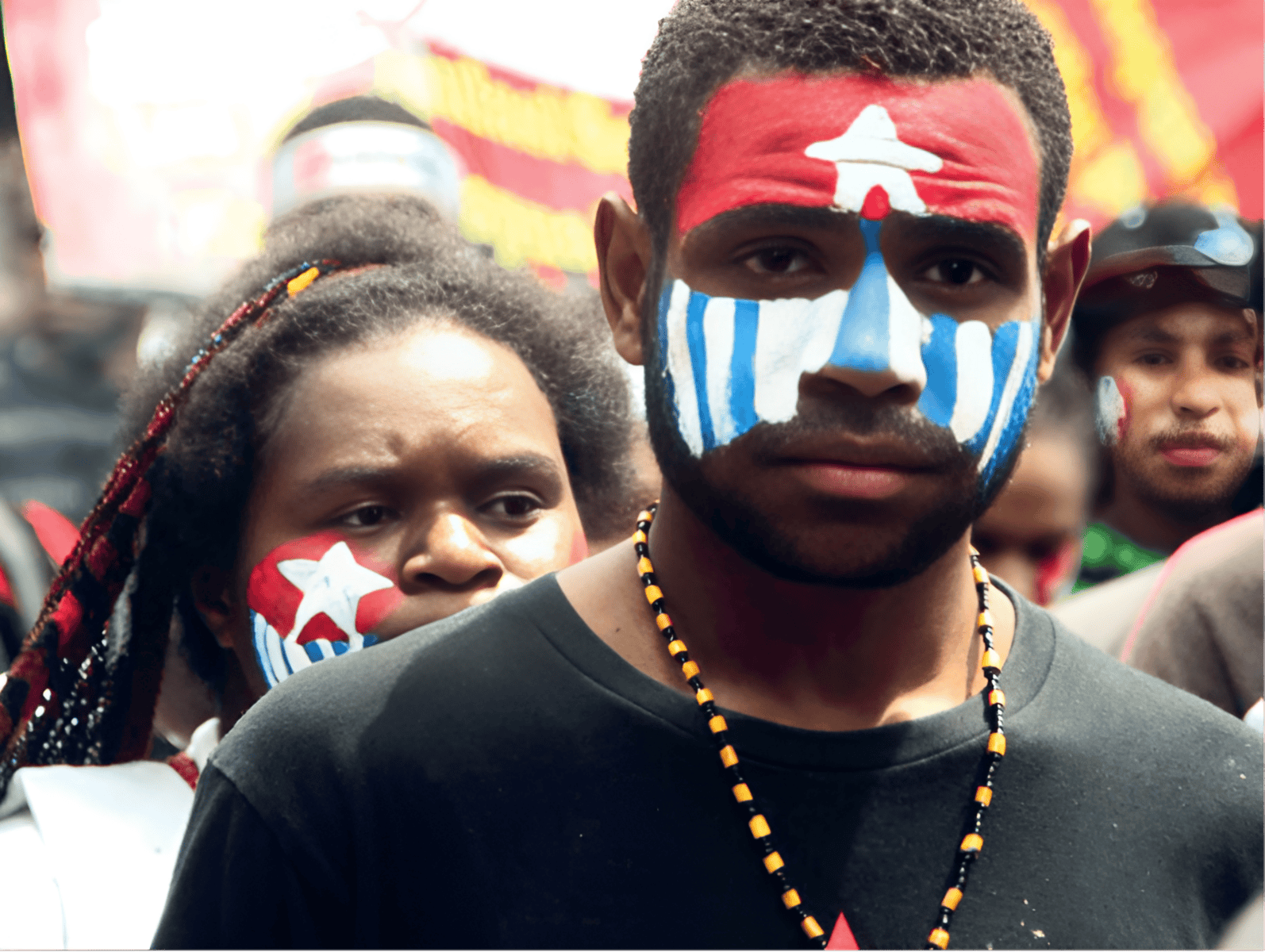
There has been a convenient neglect of the human rights violations and continued cultural genocide conducted by Jakarta in what it regards as a rogue province – the former Dutch New Guinea, commonly known as West Papua.
Only Vanuatu appears to continue to carry the flame for the West Papua freedom movement along with a small number of churches and regional civil society organisations.
Papua New Guinea—which shares a border with Indonesia through the annexed territory of West Papua—is no doubt wary of the military might of its western neighbour and remains reluctant to speak out.
Solomon Islands’ government remains distracted by internal politics and the need to generate revenue in any conceivable quarter and does not dare challenge Indonesia, which could become a strategic partner in the forestry and mining industries.
Fiji—for all its bluster about democracy, human rights, and international peacekeeping—has no intention of upsetting Indonesia.
In fact, the Melanesian bloc is content to let their brothers and sisters in West Papua be wiped from the face of the earth, if they can make a few side deals with Indonesia, which is the largest economy in Southeast Asia.
Indonesia’s geopolitical influence in Asia and the Arab world means it is a valued bilateral partner for Pacific countries seeking to influence voting at the United Nations and other global meetings.
Because of that, West Papua will be condemned to fighting the battle for decolonisation on their own – seen as guerillas or rebels in a land which is their own but was stolen, ironically with the assistance of the United Nations.
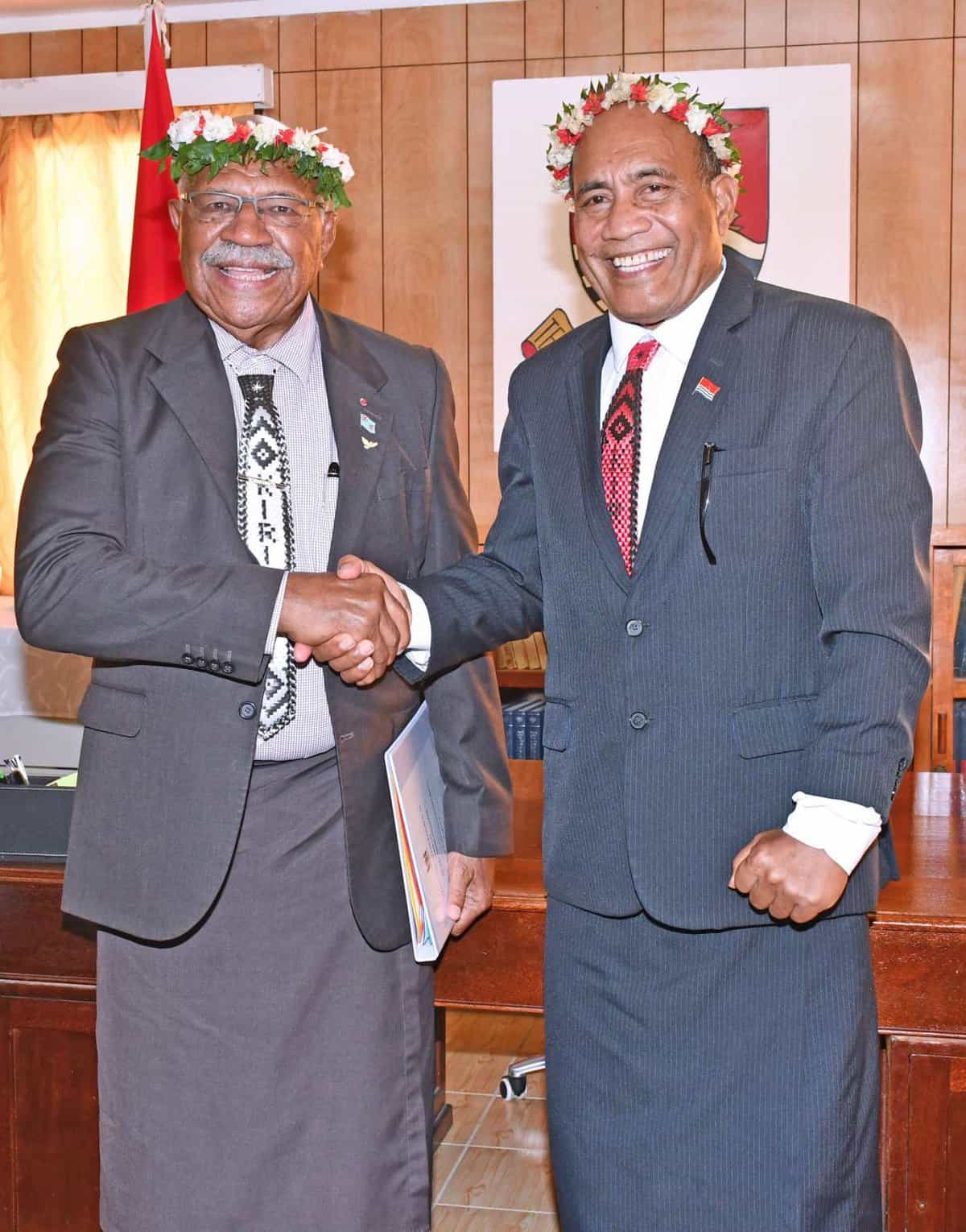
Vanuatu Foreign Minister, Marc Arti, handed over chairmanship of the MSG to Fiji’s Sitiveni Rabuka in traditional ceremonies full of cultural significance, colour, history, and the eloquence of Fijian ceremonial.
And at the pre-summit meetings, officials spoke of the need to remain diligent and steadfast as the bloc navigated uncharted seas to maintain its relevance in what was described as a shifting political landscape.
As usual, the language has been diplomatic, flowery, and chosen deliberately to evoke the sense of unity, common purpose through shared cultural values and similar traditional ideologies around sharing and respect.
But the words and ceremonies will ring hollow for Pacific people within the bloc, who are fighting for their very survival under the oppression of a foreign country that has occupied their land for 60 years.
What, then, is the relevance of the Melanesian Spearhead Group?
Papua New Guinea’s James Marape spoke ahead of the meeting of the Pacific, standing at a crossroads and emphasising the need to take a “proactive approach to safeguarding our sovereignty, protecting our resources, and ensuring that our voices are heard on the global stage. Our collective efforts must also voice strongly against human rights abuses in our region and for respect for all our people.”
And what of West Papua?
Is this not an opportune time for the MSG to implement a trade ban against Indonesia and stop the torrent of cheap confectionery, biscuits, and noodles that flood the Pacific?
If the MSG is to remain relevant, it must speak for the voiceless Melanesians, the indigenous tribes of West Papua.