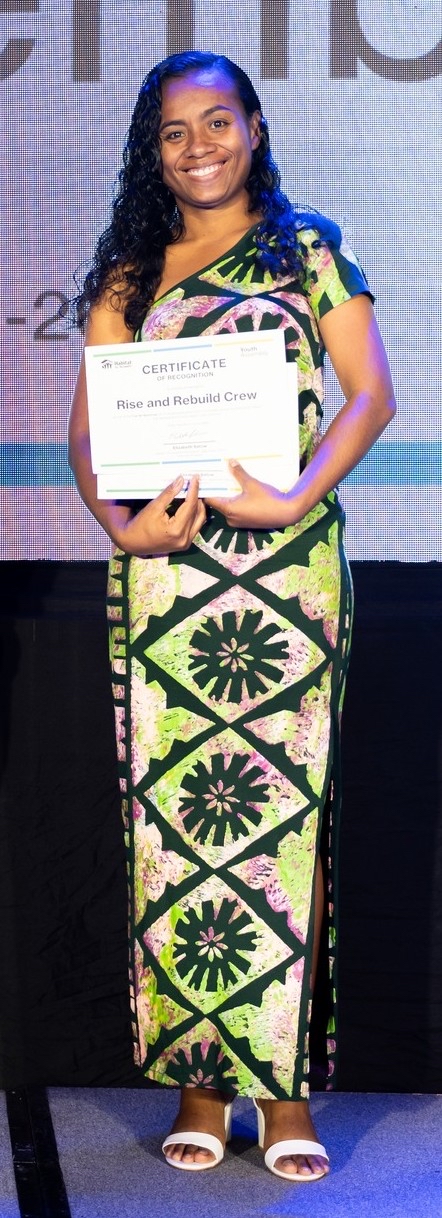
A YOUNG woman is turning the spotlight on rural sanitation challenges.
Alowesi Taleiqio—a teacher from Fiji—was placed among the top 40 youth leaders selected by Habitat for Humanity for their innovative and community-driven development projects.
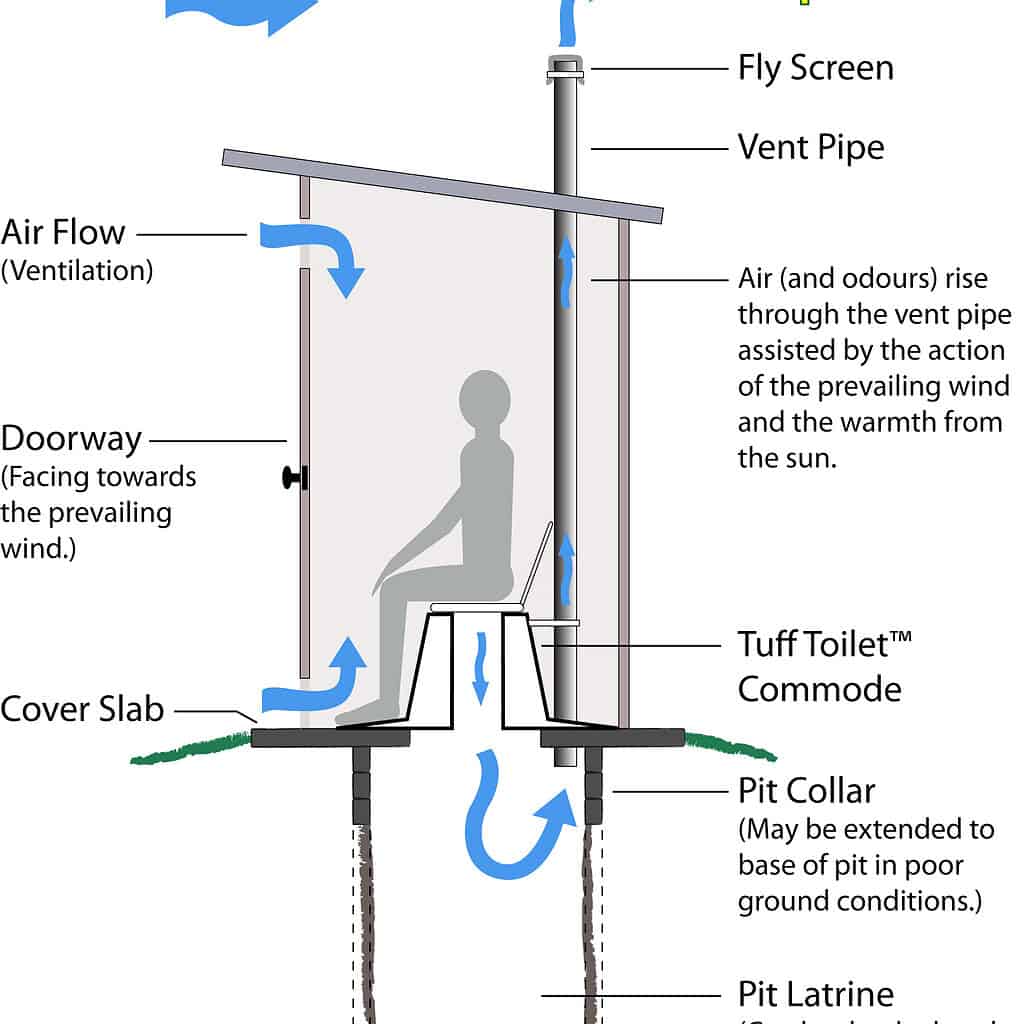
Taleiqio’s initiative, aimed at replacing pit toilets and constructing proper sanitation facilities in Nadrugu
Village in the interior of Fiji’s largest island, drew regional attention for its practical, locally informed approach to addressing public health and hygiene in under-resourced rural communities.
“I’m here on behalf of my community,” she told Islands Business. “This project is about restoring dignity, improving health outcomes, and supporting families who have gone without basic sanitation for far too long.”
The need for improved sanitation infrastructure in Nadrugu is one Taleiqio knows well. Although she grew up on Vanuavatu—a small island 120 kilometres from Fiji’s capital—she frequently visited her maternal village and became increasingly aware of the health risks and everyday discomforts faced by residents –
particularly women, children, and the elderly.
“Most households still use pit toilets and rely on a small creek for bathing and washing,” she said.
“Only 13 homes out of more than 50 have access to proper toilets and bathrooms. For a community that depends heavily on subsistence farming and market selling, investing in infrastructure like this is financially out of reach.”
Her initiative directly supports Sustainable Development Goal 6 – Clean Water and Sanitation, which aims to ensure universal access to safe and affordable water and sanitation, particularly in vulnerable and underserved communities.
What began as an observation led to action when Taleiqio discovered the Habitat for Humanity Fiji grant opportunity through social media. Though hesitant at first, she submitted her proposal and, to her surprise, was shortlisted.
“At first, I thought it wasn’t real. But after multiple follow ups, I realised I’d been selected. That moment changed everything.”
Habitat for Humanity Fiji Interim National Director Sangita Kumar said the selection process was both rigorous and collaborative. “Applications were received by our Area Office in the Philippines and reviewed by a dedicated task force of subject-matter experts in consultation with Habitat Fiji.
Following an assessment process, two applications from Fiji were selected, giving Taleiqio the opportunity to participate in the Habitat Youth Assembly. The selection of two local projects highlights the immense potential within Fiji’s younger generation to shape regional development through grassroots innovation,” Kumar said.
Taleiqio’s vision for sanitation upgrades was never a solo endeavour.
From the start, she worked closely with village elders, youth leaders, and families to shape the project in a way that was practical, sustainable, and inclusive.
“The community shaped the idea. Their insights, stories, and challenges gave it direction. I simply connected the dots and helped turn those ideas into a plan.”
While the project is still in its fundraising stage, it has already sparked conversation and awareness in the village. Families have begun preparing to contribute labour and locally sourced materials once
construction starts.
“There’s a sense of ownership now. People are involved and invested, and that’s where real, long-lasting change begins.”
At the Youth Assembly, Taleiqio is engaging with regional peers who are tackling a broad spectrum of development challenges, from climate resilience and youth empowerment to housing and education equity.
“It’s inspiring to meet young people from so many countries who are creating real impact with limited resources,” she said. “The exchange of ideas, strategies and experiences has helped me see how this project can grow, and how we can apply similar models across other villages in Fiji.”
For the people of Nadrugu, improved sanitation means more than just infrastructure. It brings enhanced safety, privacy, and health – particularly for women and girls who often bear the brunt of inadequate facilities.
“For women, it means no longer bathing or doing laundry in public creeks. For children, especially girls, it reduces the risk of infection and increases school attendance. For the whole community, it’s a move towards a healthier, more dignified way of life.”
Taleiqio believes Nadrugu can serve as a model for othe rural communities in Fiji and across the Pacific.
“This project is designed to be scalable. Once we prove it can work in Nadrugu, we can adapt it for other villages. The need is there – and so is the community spirit.”
Taleiqio is hopeful that her journey can inspire other young people to pursue grassroots change in their own communities. “You don’t need to have money or a title to make a difference.
All you need is one idea and the willingness to act. Talk to your elders, listen to your people and start small. Every meaningful change begins that way.”
As she continues to work towards securing funding and launching construction, Taleiqio is already exploring partnerships with other youth leaders and educators to expand the initiative nationally.
“The goal is to build a network of changemakers in Fiji – young people who support each other
and believe that basic human needs, like sanitation, should never be a privilege.
“I carry the hopes of my ancestors, and I’m doing this so the next generation can live with dignity and opportunity,” she says. “It’s not easy, but it’s worth it.”