Five years ago, Pacific leaders recognised the worrying levels of corruption which existed throughout the region.
To manifest their concern, the Teieniwa Vision was signed as a commitment towards rooting out systemic corruption in business, politics and—in some cases—the church and law enforcement agencies.
Named for the i-Kiribati terms for canoe and sail, the Teieniwa Vision recognised the treacherous waters through which island nations must navigate the rising corrupt practices sweeping through the Pacific.
Leaders agreed that corruption is the enemy of progress, growth and economic development, that it undermines democracy and the rule of law, and encourages the emergence of criminal ecosystems.
It is important to note that as foreign countries struggle to maintain their grip over the region or attempt to forge new alliances in this liquid continent, opportunities for back-hand deals abound.
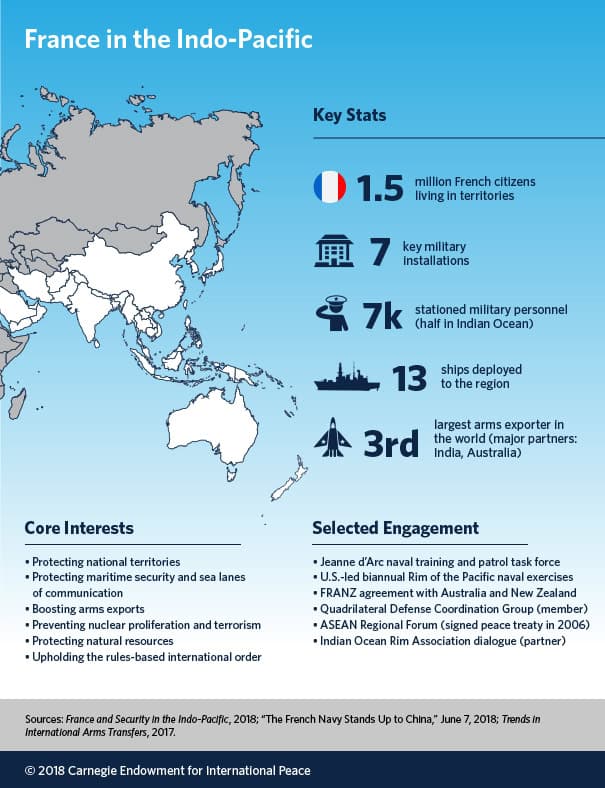
As if the threat of climate change is not enough, the Pacific is now a focal point for geopolitical tensions between China and Australia, as the proxy for the United States and the United Kingdom.
This latent hostility has given rise to a steady influx of economic, military or financial incentives to support development and climate goals in countries with weak governance systems which some donors overlook.
Their investments, therefore, are exposed to extreme risk of corruption. And, when cash-flush foreign interests meet struggling Pacific economies run by politicians of questionable integrity, all the elements of a perfect corruption storm are in place.
The increased trafficking, manufacturing, sale, and use of drugs only increases the potential for the breaking, bending and overlooking of rules, regulations and the law.
This is the backdrop against which the Pacific must battle dishonesty, malfeasance, graft, extortion and racketeering at the highest level.
In Fiji, a thriving drug trade which now includes injectable drugs has led to increased prevalence of HIV and AIDS, a surge in violent robberies, and more cases of mental illness than ever before.
The introduction of these drugs could not have been possible without members of law enforcement agencies acquiescing to the demands of drug dealers.
To end corruption, governments must ensure that its citizens are gainfully employed and live with sufficient food, shelter, resources, medical services, running water, and access to affordable education.
It is incumbent on all Pacific states to bring about an end to poverty by creating employment opportunities through investment or creation of small and medium-sized businesses.
This will not, however, be enough to stop corruption. It is also necessary to build communities in which transparency, honesty, respect for neighbours, and integrity are treasured and practiced every day.
Throughout the Pacific, people must be able to call out dishonesty at all levels of society, and so without fear of persecution or prosecution at the hands of corrupt leaders who control the system.
Within homes, schools, and churches, children must be guided by parents and guardians to uphold honesty and justice.
Strong anti-corruption mechanisms, including prosecutorial services must be built into the government system. Workers should be encouraged to remain honest while watching for
and calling out dishonesty in the workplace.
At the same time, great care must be taken to ensure that anti-corruption agencies do not become the personal watchdogs of politicians, intent on creating difficulties for their rivals.
This has happened in Fiji under the Bainimarama government which used wide-ranging anti-corruption laws to conduct witch hunts on people and organisations. The independence of anti-corruption units or organisations must be of the highest possible international standard.
Within government departments and private corporations, whistle-blowing policies must be created to protect employees who expose corruption and dishonesty. It is especially needed in statutory organisations and government owned companies in which corruption and unethical acts can become part of work culture.
In large corporations which operate water, electricity, telecommunications and construction or disseminate aid funding, it is extremely important to ensure that employees, management and the board are always held accountable to shareholders and the nation.
Unfortunately, it is always possible for creative and criminal minds to find loopholes in the best and most secure systems.
Even the world’s largest banks have fallen prey to people within who have purposefully devised schemes with which to embezzle or defraud.
In some of these cases, it has taken years for auditors to spot the malfeasance.
That is why it is important for administrators to have inside knowledge of any criminal activity within organisations and government departments.
With large numbers of contracts and purchases each year, there is room for abuse. Some of this abuse may be small in financial terms but the danger is that an employee emboldened by success will continue to chip away at the company’s finances.
Most cases of abuse of purchase orders or awarding of contracts are well known to workers.
A corporation which wants to end these practices must have in place a system which allows for employees to inform their supervisors of corruption in the workplace.
By offering to protect such workers, organisations show they are serious about putting an end to corruption.
An employee who uncovers corruption can become a victim of supervisors or managers involved in illegal activities.
Their protection must be guaranteed if the company is to continue with its zero-tolerance policy on money laundering, corruption, discrimination and harassment.
There is, of course, a danger that some workers will use anti-corruption policies in the workplace to falsely accuse colleagues.
This can breed suspicion and distrust. There must be—in every workplace—a solid investigation process based on the presumption of innocence until guilt is proven.
In conjunction with the protection of whistleblowers, this can be a powerful tool in the fight against corruption.
After their initial agreement to work together against corruption, Pacific leaders attended a conference in Atlanta, Georgia, to confirm their commitment to this initiative.
Yet, throughout the Pacific, corruption remains an issue in most countries, gradually destroying the credibility of ministers, the civil service, and foreign donors.
It also causes dangerous precedent with people vying for political office in an attempt to make money and build empires on illicitly gained funds.
Transparency International New Zealand has recommended the strengthening of national whistleblower protection acts across the region in consultation with civil society and key stakeholders.
It has also suggested capacity support, and funding needs to be prioritised to strengthen key institutions and mechanisms that will enable effective implementation of the whistleblower protection legislation.
Five years after the signing of the Teieniwa Vision, it is time for the Pacific to show it is serious about ending corruption.