IN recent months, several seizures of large amounts of narcotics across the Pacific have exposed the region’s massive blind spot.
It’s not as if the region was unaware that it did not have sufficient coverage of the vast expanse of ocean from the West Coast of the United States to Australia’s eastern seaboard.
Irregular patrols by the Australian, French, and New Zealand air forces have kept watch in the region, but mostly in connection with illegal fisheries operations.
The Forum Fisheries Agency recognised the need for increased surveillance and has its own aircraft to assist with patrols.
But the latest method of drug smuggling—using fast semi submersible craft or larger ships capable of spending weeks at sea—have added a new dimension to surveillance.
Jose Luis Sousa-Santos has worked in drug enforcement agencies for three decades.
He believes the interdiction of marine craft and arrest of drug smugglers in Fiji shows the region is fighting back on its own terms.
Sousa-Santos described the action as “a meaningful shift in how Pacific Island states and communities are confronting transnational organised crime. While drug trafficking through the Pacific is not new, what is changing is the degree of local confidence, capability and ownership.’’
In the 1970s, Fiji was used at times by traffickers as a passive transit zone. There were occasional arrests – sometimes of tourists smuggling heroin in surfboards or yachts carrying marijuana across the ocean.
In the 1980s, smuggling in the region became more sophisticated, with remote islands used as drop-off points for cocaine transported in scuba diving gear.
The remote, lightly policed islands with limited naval assets remained highly reliant on externally driven intelligence and enforcement.
And pressing issues at home often meant that enforcement of drug trafficking on the high seas was not a priority.
Since the 1990s, Australia has been involved in a Pacific Patrol Boat Programme and surveillance is one of its many facets.
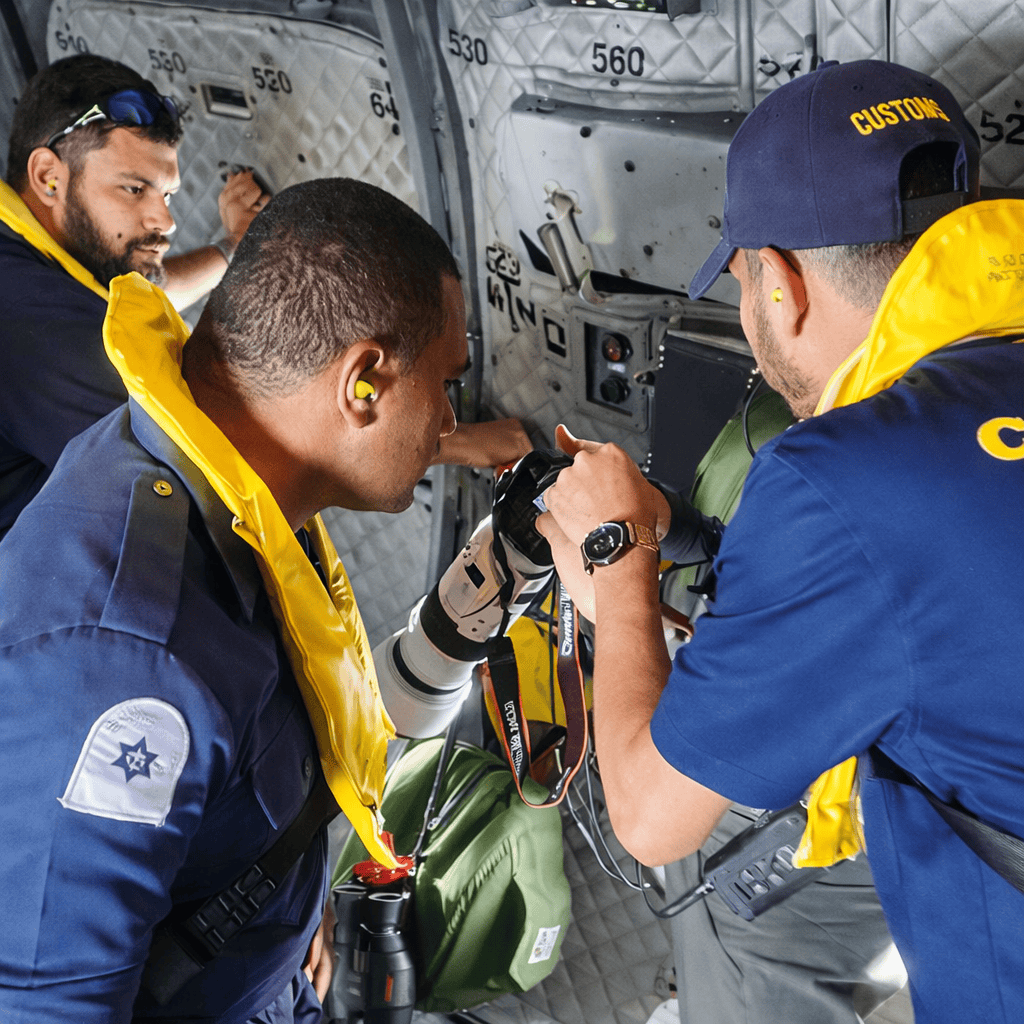
However, it is not cheap to put ships at sea for regular patrols and, with drug-carrying craft low in the ocean, traffickers are not easily visible. Aviation may be the next area in which regional authorities take on the fight against drugs.
New Zealand has provided the Fiji Navy with Bluebottle naval drones to boost surveillance and intelligence gathering.
Sousa-Santos says intelligence is critical to this fight.
The next step in the drug war may come from the skies.