“A rising tide doesn’t raise people who don’t have a boat. We have to build the boat for them. We have to give them the basic infrastructure to rise with the tide,” said Rahul Gandhi.
THE keel, or backbone of this boat would have to be infrastructure. World Bank reports consistently emphasise that upgrading both physical and digital infrastructure will be essential if hopes for sustainable private-sector-led growth and job creation in the Pacific are to be realised.
The Pacific Region Infrastructure Facility (PRIF) has been working alongside Pacific countries since 2008, supporting national infrastructure planning and providing technical assistance across a wide range of sectors.
“One of the most interesting things we’ve done recently is built the website www.theprif.org, which is the first comprehensive collection of upcoming infrastructure projects across the region to provide information to firms, contractors, consultants – hopefully, to encourage investment in the region, to try to drive more competitive bids for projects that are upcoming,” PRIF Coordination Office Team Leader Dr Robert Guild said.
Building for the future
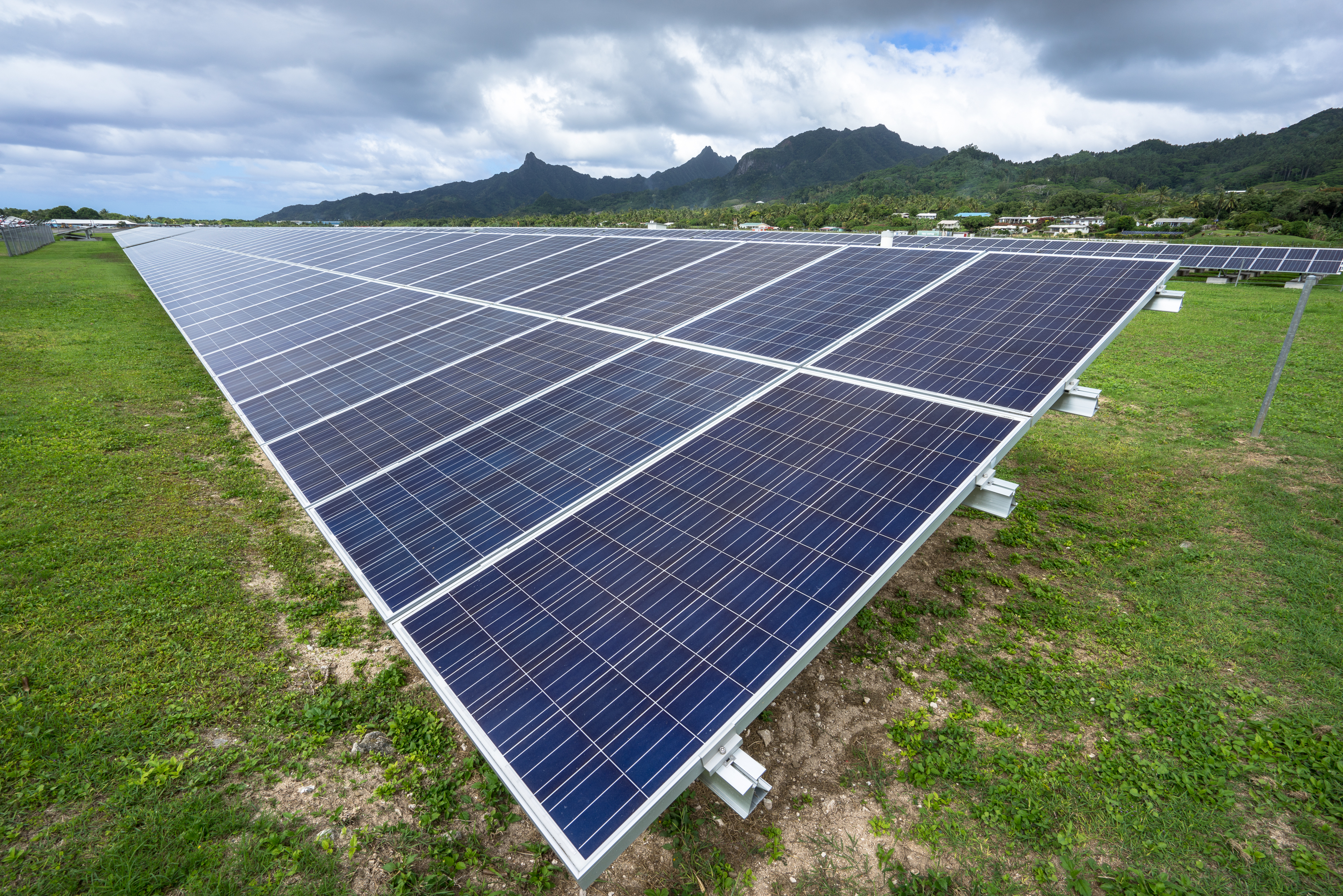
“One of the big demands and something that’s going to occupy attention for a long time is renewable energy. A lot of countries have pretty ambitious targets and they’re going to need a lot of investment to reach them,” Guild said.
Helping close the gap between urban and rural areas will also be critical.
“Most capitals are pretty well served, but most rural areas are not. And the same can be said for pretty much all types of infrastructure where the gap in infrastructure services is much greater in rural areas than it is in capital cities.”
PRIF’s primary role in addressing these challenges is helping countries prepare national infrastructure investment plans that identify top priorities over five to ten-year periods.
“It helps to focus the conversation on where governments want to invest to support their strategic development plans,” Guild said. “That’s our number one role – helping with that project selection and prioritisation.” PRIF and its partners have a good delivery track record, including:
- A whole-island coastal and drainage assessment for Nauru (Government of Nauru / DFAT)
- A multi-hazard, climate-resilient energy assessment for the Gazelle Power Grid in Papua New Guinea (World Bank)
- A comprehensive economic evaluation of coastal and NbS protection in Savusavu, Fiji (GiZ)
- A pilot NbS coastal protection project in Vanuatu (ADB)
These particular projects are particularly important, given the need for greater emphasis on Climate change mitigation in the region. Yet, individual countries still require specifically tailored infrastructure solutions.
The cost of being small
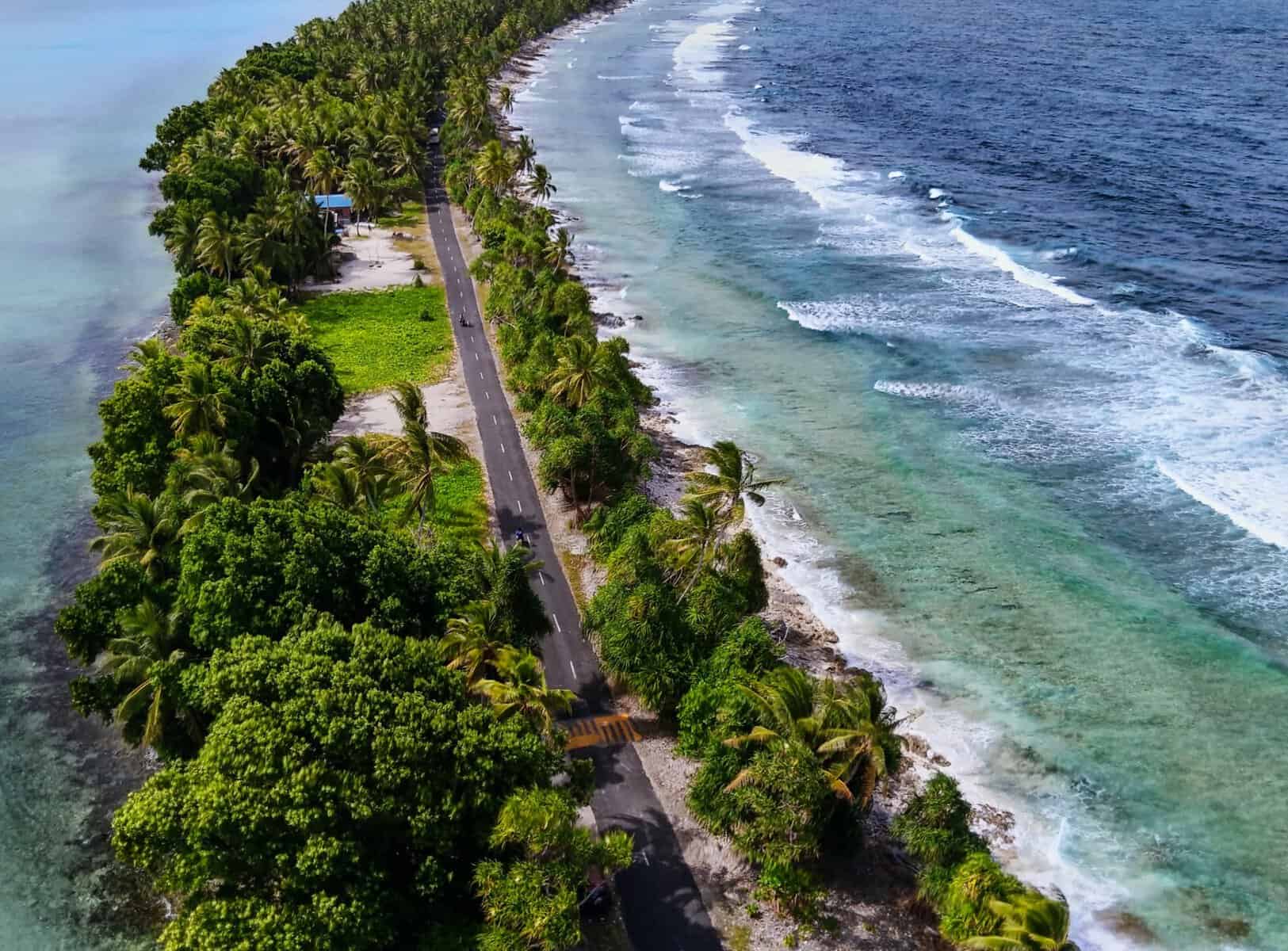
Atoll nations, for example, emphasise coastal protection while larger countries like Fiji and Papua New Guinea might focus on extensive road networks. The core challenges, however, remain remarkably similar for PRIF, said Guild.
“The issues are pretty common across the region in terms of higher construction costs because of long distances and smaller scale. Difficulties with availability of skilled labor and professional engineers. Difficulties attracting contractors of the right size to build out some of the things that are in the pipeline.”
Financing the future
Infrastructure is expensive, and Pacific Island countries have largely been responsible borrowers. A significant success has been the transition “from concessional finance to private sector finance for a lot of the more recent renewable energy projects and telecom projects.”
“The hopes are not being matched by delivery on the ground in many cases, though some projects have grown in size and grants are beginning to flow,” Guild said.
Building Pacific capacity
PRIF has found that development partners typically require demonstrated track records for major infrastructure, Guild said.
“There are not many companies anywhere in the Pacific region with that kind of track record. The answer there is to build up a track record through subcontracting, through joint ventures, through other forms of partnership with overseas contractors until they have the experience and the scale to start going independently.
“If you have three Pacific Island countries that all anticipate fairly large-scale solar PV projects in, say, the next two years, if they could be procured together, whether it’s equipment or a complete design build, that would help to drive costs down.”
Building a boat together
Ultimately, for PRIF, infrastructure is not merely about buildings and roads. It is about creating the environment for the people of the Pacific to rise with the tide of opportunity.
Yet the region is not standing still. Through careful planning, innovative partnerships, regional cooperation and a clear-eyed focus on both infrastructure and services, the Pacific is slowly building a boat that won’t leave anyone behind when the tides rise.