BELAU is not simply Palau’s indigenous name.
It is a call to purpose, and a reminder that in the Pacific, people, culture, ocean and future generations are bound together.
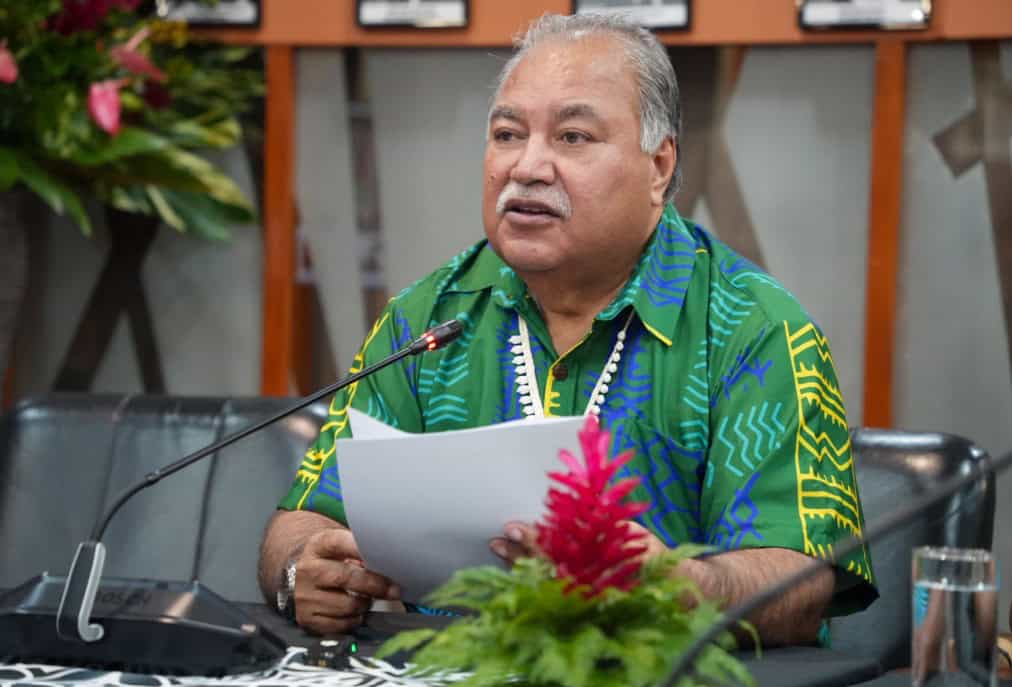
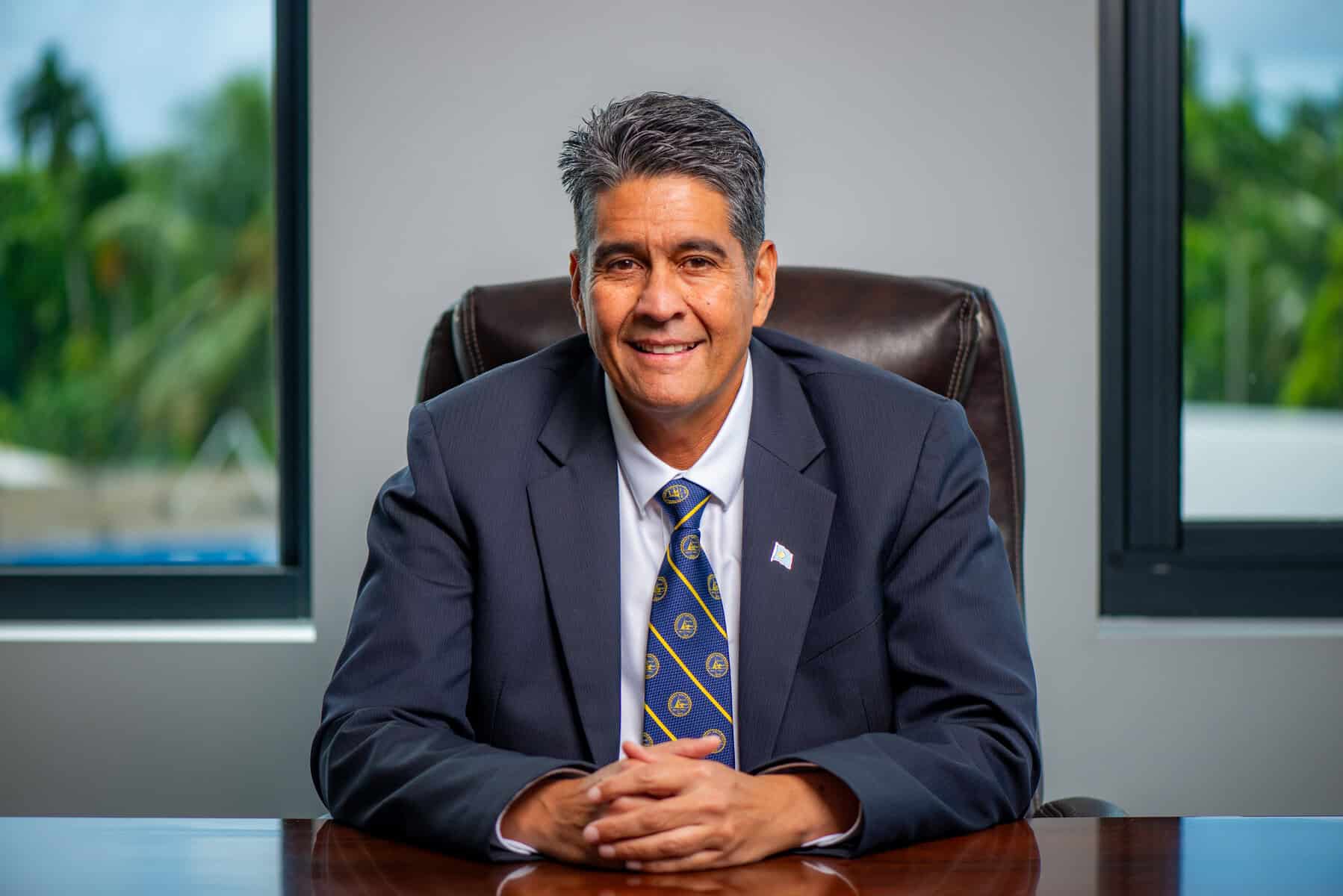
Now, that unity must become action, President Surangel Whipps Jr. says, as Palau prepares to host the Leaders Meeting.
‘B.E.L.A.U. – Building Economies: Life. Action. Unity,’ is deliberately practical: growth must be judged by whether it improves daily life through jobs, food security, affordable energy, resilient communities, and young people who can see a future at home, Whipps says.
“We do not see prosperity and conservation as competing goals,” he says, adding, “In Palau, we believe in balancing protection with production.”
The statement sums up the political signal Palau wants to send ahead of assuming the chairmanship of the Pacific Islands Forum.
The Pacific, Whipps says, should not be framed only as vulnerable. It is also a region of solutions: a Blue Pacific of ocean knowledge, traditional governance, community resilience, and economic opportunity.
Turning unity into action
As incoming chair, Palau’s priority will be to make the Forum a place where political dialogue produces outcomes.
Economic resilience, Whipps says, is not an abstract slogan. It means energy security, food security, climate security, and the confidence that communities can withstand shocks.
That vision will be reflected in three key areas of Palau’s agenda: a 100 per cent Renewable Pacific, Blue Pacific prosperity, and resilience finance that reaches communities.
The aim is to reduce dependence on imported fuel, retain greater value from fisheries, tourism and conservation, and cut through red tape through Pacificled mechanisms, including the Pacific Resilience Facility, Whipps says.
“We do not want another meeting where there is only talk. We want action, implementation, and deals that benefit our people.”
For Whipps, hosting the annual gathering is therefore both an honour and a responsibility for Palau. It is not only a chance to welcome leaders and partners, but also to project a Palauan view of development: culture and environment are not separate from economic policy, but central to it.
He wants visitors to Palau to understand the stewardship that has shaped Palau’s conservation identity.
Palau’s traditional practice of bul, which restricts or closes off areas so resources can recover, remains a guide for modern governance.
“Sustainable development is not an abstract concept for Pacific Island countries. It is our daily reality,” Whipps says. “We see the impacts of sea-level rise, stronger storms, droughts, coral bleaching, and changing fisheries.
At the same time, our people need good jobs, affordable energy, reliable transport, quality healthcare, and opportunities for their children.”
Blue prosperity and climate resilience
The test of development is whether people are healthier, communities are stronger, ecosystems are protected, and children inherit better opportunities.
That places the Forum’s agenda in the lived reality of Pacific households facing rising fuel and transport costs, climate impacts, and uncertainty over future livelihoods, Whipps says.
Energy is a pillar of that agenda. Pacific countries remain heavily dependent on imported fuel, leaving governments and families exposed to global price shocks.
Renewable energy, electric vehicles, battery storage, and cleaner public and maritime transport can reduce costs over time while improving independence, Whipps says.
But technology alone cannot deliver the shift. The region needs financing, technical support, standards, maintenance capacity, charging infrastructure, and procurement models suited to Small Island Developing States.
“A 100 per cent Renewable Pacific should not be seen only as a climate goal. It is an economic and security goal as well.”
The ocean is the other pillar. It is food security, economic foundation, cultural identity, and one of the Pacific’s strongest defences against climate change. Whipps says unlocking its prosperity means changing who captures the value.
Palau wants Pacific nations to move beyond exporting raw resources while others receive the greatest returns. Opportunities lie in local fisheries, processing, sustainable tourism, marine research, conservation finance, and community enterprises.
Protection remains essential, especially for spawning grounds and critical ecosystems, but conservation must also sustain livelihoods.
The ambition requires finance “at the right scale and on the right terms”: grants for science and governance, patient capital for enterprises, sustainable funding for marine protected areas and stronger local financial systems. Investors should not mistake small populations for small opportunities.
The Pacific offers stable governance, proven stewardship and a resource base of global importance.
Climate finance also remains central.
The Pacific will continue to call for deeper emissions cuts, a faster transition away from fossil fuels, and commitments consistent with limiting warming to 1.5 degrees. But access must improve.
Small island governments are too often asked to meet requirements disproportionate to their project scale and institutional capacity, Whipps says.
A Pacific voice beyond the week of meetings
The forum will take place as global interest in the Pacific continues to grow. Genuine partnerships and investment are welcome, but they must be grounded in respect, transparency, sovereignty, and Pacific priorities.
The region cannot be treated as a stage for external competition, Whipps says.
“Our nations must remain at the centre of decisions about our security, our resources, our development, and our future. When we speak together, we are not small. We are a Blue Pacific continent, connected by the world’s largest ocean.”
That unity gives Pacific nations the strength to advocate for climate ambition, sustainable development, peace, a rule-based order, and shared prosperity.
It is also the shield that protects regional priorities from being diluted by competing external interests.
Whipps does not want the Palau Forum remembered simply as a successful week of meetings. He wants a legacy that is concrete: cleaner and affordable energy, stronger regional connectivity, healthier oceans, better opportunities for young people, and more resources reaching villages, schools, hospitals, homes, and businesses on the front lines of climate change.
For Palau—small in population but a Big Ocean State—hosting the forum is an opportunity to share its national story of stewardship while advancing a common Pacific story, Whipps says.
“Our future is in our hands. We are stronger when we stand together.”
It is a message for leaders arriving in Koror and for Pacific people watching from across the ocean continent: be ambitious, be practical, protect what makes the Pacific special, and turn unity into action.