“What I learned in theory is not applicable.”
FOR many young Papua New Guineans, the journey from classroom to workplace is one of hope, challenge, and often, tough lessons.
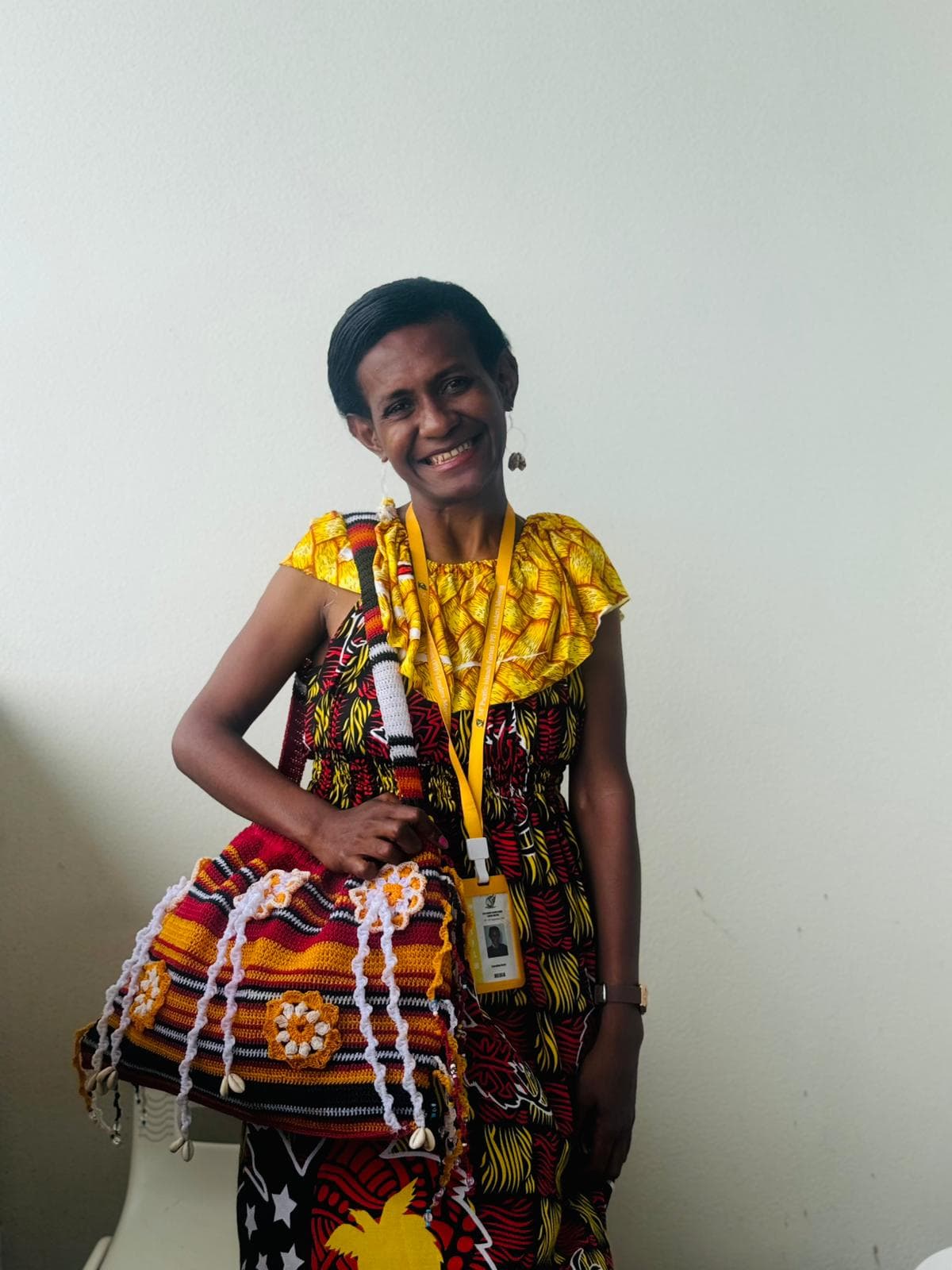
Georgina Korei, 33, a journalist in mainstream media, reflects candidly on her educational journey and the pressing need for reforms to better prepare students for life after school.
Korei’s story spans the towns and provinces of Papua New Guinea (PNG), from her early years in Vanimo, West Sepik, to her tertiary studies at Divine Word University in Madang. “Looking back on my years of education, from primary school to university in PNG, I can say that the country’s education system aims to provide skills-focused learning, but we still struggle to secure jobs after tertiary studies,” she says.
Her experience is not unique. The PNG education system, which recently shifted from Outcomes-Based Education (OBE) to a Standards-Based Curriculum (SBC), is now phasing out elementary schools and focusing high-stakes testing on Grade 12.
Yet the gap between theory and practice remains wide. “As a graduate journalist, most of what I learned in theory at university isn’t applicable in the newsroom,” Korei says. “I had to learn the tricks of the trade from experienced journalists and by following my newsroom’s house style every day.”
Students who do not progress after key national exams often turn to technical schools or the Flexible Open Distance Education (FODE) programme, yet for many, the transition to the workforce remains daunting.
“The education system is not doing enough to prepare students for the working world out there. Education does not end after you graduate,” Korei adds, urging students to pursue self-education and adaptability on the job. Despite these challenges, Korei sees positive shifts in PNG society, particularly for women.
“More women are raising the bar by achieving qualifications in traditionally male-dominated fields. We need a change in mentality to overcome cultural barriers that previously limited women’s access to certain jobs. Today, men and women have equal opportunities.”
Korei’s message is clear: Papua New Guinea’s education system must evolve to bridge the gap between classroom theory and workplace realities, fostering practical skills and a mindset prepared for the challenges of the modern world.