PETER To Rot will be canonized a saint 50 years after his country, Papua New Guinea (PNG), regained independence from Australia, the guardian of colonial power.
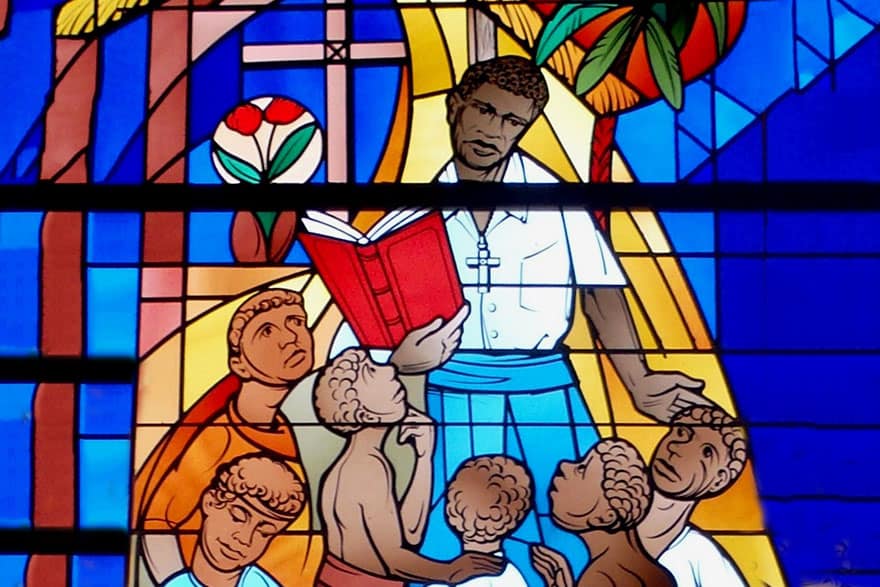
Peter To Rot was a lay catechist who was executed in 1945 for continuing to preach to the local population despite a ban imposed by the Japanese who had occupied PNG. A fervent defender of marriage and the family, To Rot was from Rakanui, New Britain, and became catechist within the
Missionaries of the Sacred Heart.
“I am in prison for those who break their marriage vows and for those who do not want to see God’s work go forward,’’ To Rot said just hours before his execution. “I must die. I have already been condemned to death. ’To Rot’s mission was based on the holiness of marriage and he confronted polygamy, which was banned by the church, still practiced in some tribes and allowed by the Imperial Japanese Forces.
Polygamy was culturally acceptable, and the Japanese offered to legalise the practice in order to appease local chiefs as World War II drew to an inevitable end. So, To Rot’s campaign against polygamy was a direct threat to the security of the invaders.
His crusade put To Rot in direct conflict with powerful local people, among them policemen, judges, and traditional leaders who wanted to have already married women as wives. With missionary zeal, To Rot directly confronted the authorities who became his enemies, among them, become his accuser.
Detained by the police, To Rot openly admitted that as a catechist, he had taken a stance against polygamy and would continue to do so because this was the life to which he had been called. Vatican records show that during his time in detention, the catechist continued to be calm and remained true to
his conviction that Christian marriage must be defended by bringing an end to polygamy.
Those who visited him said he showed no regrets and remained firm in his faith and his duties as a catechist. In July 1945, To Rot became ill with what has been described as a cold. The Japanese authorities took advantage of the illness, and a military doctor administered poison under the guise of treating the sick man.
Shortly after receiving an injection, To Rot reported that he was nauseous and wanted to vomit. Reports say the doctor covered the catechist’s mouth and he died. To Metapa, the policeman responsible for To Rot’s death, aided in the cover up by spreading the story that “the mission boy was very sick and has died’’.
To Rot was born in 1912. Married and the father of three children, he took over the Catholic mission in 1942 and kept the congregation united after the priest was forced out by Japanese Marines. According to records of the Missionaries of the Sacred Heart, Father Carl Laufer reported at the time:
“For approximately four years, he was the sole spiritual director, substituting for the internal pastor. Regularly, he assembled the children and adults for religious and secular instructions, conducted the Sunday services, baptised infants, officiated at marriages, visited the sick and buried the dead. He recorded parish proceedings in the register and was considered the leading personality among the Catholic native population for the duration of the Japanese occupation.”
Laufer wrote that To Rot secretly prayed with little groups, gave religious instructions, baptised the newborn babies, and officiated at marriages. This often happened at night. “‘They have taken away our priests, but they cannot forbid us to be Catholics and to live and die as such. I’m your
catechist, and I will do my duty even if it costs me my life,’’ he is reported to have said.
To Rot first worked openly and later—after the Japanese banned religious work—he would secretly care for the sick and the dying, visiting them, preparing them for death, causing them to repent, and finally burying them.
A Catholic priest who spoke to the people To Rot served said, “His principle was: ‘God’s work is all and everything.’” The first steps towards his canonization began in 1952 but fell by the wayside and were revived in 1985. To Rot was beatified on January 17, 1995, at John Guise Stadium in Port Moresby by Saint John Paul II. He will be canonized on October 19.