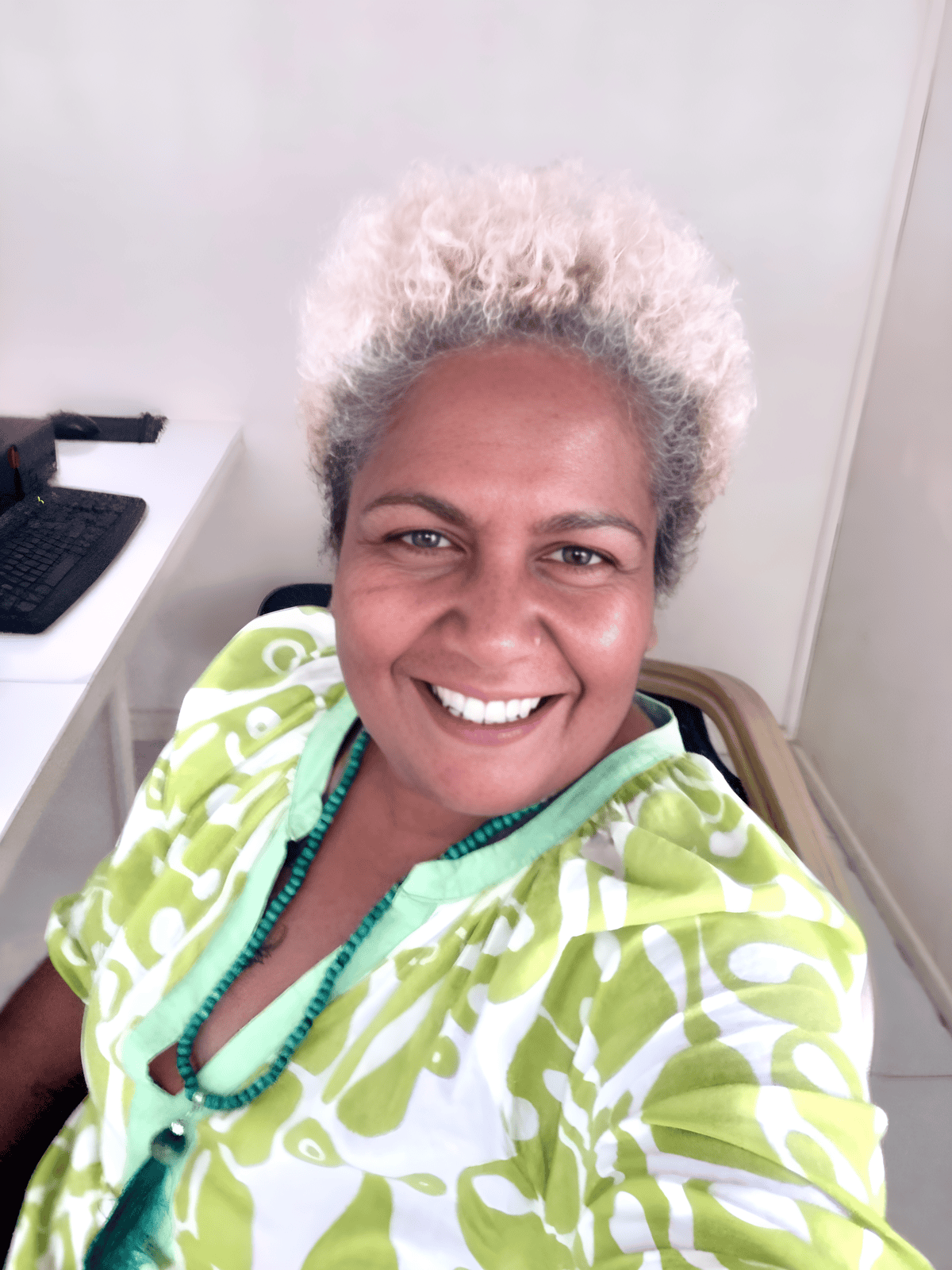
IN the sun-drenched islands of the Pacific, where stories are often passed down through generations by word of mouth, Dorothy Wickham found her voice and made it her life’s mission to help others be heard.
For more than 30 years, the veteran Solomon Islands journalist has broken barriers, challenged power, and championed the untold stories of her people, all while inspiring a generation of Pacific women to follow in her footsteps.
Her journey into the world of media began in the most personal of ways: watching her father at work.
“My father inspired me,” she recalled. “He was always in the radio when I was a child. I used to hang out at the Solomon Islands Broadcasting Corporation studios, where he was the first General Manager. I was in awe, watching them read the news.”
Back then, she didn’t know what a journalist was. She just knew she was captivated, especially by World Blo Iumi (Our World), a Pidgin-language summary of global events hosted by David Tuhanuku.
It was her first taste of geopolitics and the power of storytelling; all delivered in the language of her people. That early fascination grew into a lifelong calling. Her first big moment came when she found herself in a press conference facing Prime Minister Bartholomew Ulufa’alu.
“I was terrified,” she admits. “I thought I would ask something stupid. But he answered and even elaborated. That moment made me realise I was speaking not just for myself, but for all Solomon Islanders who wanted answers.”
Over the years, Wickham has covered countless stories. But it’s not the political scandals or major disasters that stand out to her the most. It’s the quiet resilience of everyday people.
“It’s the stories of Solomon Islanders overcoming difficulties with strength and determination, especially in rural areas that move me most,” she said. “They still inspire me, and I find myself looking for such
stories even on social media.”
Wickham has witnessed enormous shifts in journalism since her early days – some promising, others troubling. “There are more women in the industry now, and technology makes everything faster,” she observed.
“But there’s a darker side – misinformation and disinformation. Many of our people believe everything they read online because they don’t understand how social media works.”
Even as journalism has changed, Wickham has remained a mentor and champion for others, particularly women entering the field.
“My proudest achievement is seeing young girls and women join our ranks and fight for equal opportunities,” she said.
She knows first-hand how hard the journey can be. “It was tough,” she admitted. “Long hours, time away from family.
“At first, even my family didn’t understand what I did. But I’ve been lucky to have their support now.”
Wickham hopes for a media landscape that gives Pacific voices more control over their own narratives, especially on the global stage.
“I want overseas media to give Pacific journalists the opportunity to tell our stories and let us do it with cultural respect,” she said.
“We can be good journalists and still honor our traditions.” To young women eyeing a path in journalism, her advice is: “Work hard. Be true to yourself. And have empathy.”
And if she could go back and whisper something to her younger self? “Balance. Also look after your health.”
As she reflects on her legacy, Wickham doesn’t speak of awards or accolades. Instead, she hopes to be remembered for one thing: “That I inspired other young girls to become journalists.”
And she has. In classrooms, newsrooms, and across island communities, Dorothy Wickham’s voice has not only reported the news but also helped shape the future of Pacific journalism.