AS Papua New Guinea (PNG) prepares to mark another year of independence, many are reflecting on how far the country has come and where it is headed next.
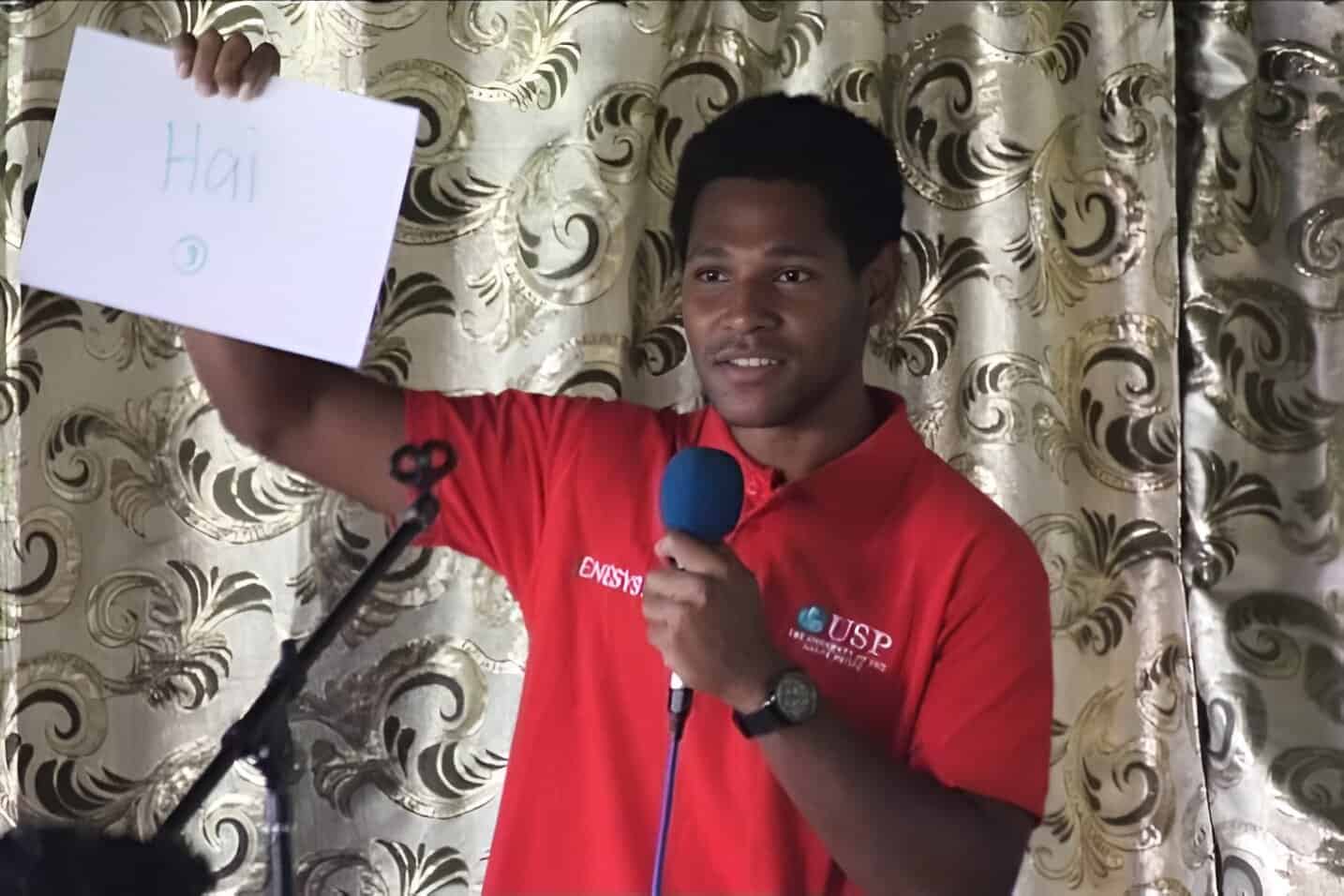
For Rhys Woruba, a 22-year-old law student at the University of the South Pacific (USP), the future of his nation isn’t just a political debate – it’s personal. “I believe that the government does not see eye to eye on a lot of matters because of a lack of unity,” says Woruba. “The people have every right to ask where the country is going.”
Rhys—from Sirr village on the east coast of East Sepik Province—has lived across multiple provinces, including Madang, West New Britain, and Port Moresby. His upbringing across such a diverse cross-section of PNG gives him rare insight into the cultural richness and challenges facing the nation today.
Now in his third year pursuing a Bachelor of Laws at the University of the South Pacific, Rhys also serves as president of the International Students Association. But even with a promising future ahead, Woruba is candid about the growing concerns many young Papua New Guineans have about their country’s development. “Papua New Guinea’s current economic state is in shambles,” he said.
“Corruption is no longer hidden. Securing a seat in Parliament has become more about power than
serving the people.” PNG’s deep-rooted Wantok system, a traditional network of kinship and mutual
obligation, is, according to Woruba, both a strength and a challenge. “It helped us survive in the past, but it’s now affecting our development,” he said.
“We are more willing to assist those related to us when we are in better positions, which is understandable, but it also hinders progress when applied to modern governance,” says Woruba. He believes part of the problem lies in a lack of national unity.
“Having 22 provinces and over 850 languages makes it hard to feel a shared sense of identity. This level of discord is evident even in higher levels of management, such as the government.”
With the rising cost of living, stagnant minimum wages, and limited employment opportunities, PNG’s youth are increasingly anxious about their prospects. “It’s becoming worrisome that there may not be a job available for me in my own economy,” he said.
“Our leaders need to put their differences aside and work together for the future.” Despite these concerns, he remains hopeful. As the country approaches its next independence anniversary, Rhys believes it’s time for a more mature national mindset.
“I expect us to celebrate our differences but also take pride in ourselves. People’s mentality is slowly changing, and I am grateful for that. With more intermarriages across provinces and countries, we are becoming more accommodating. This allows us to break away from habits that are destroying our nation.”
Woruba envisions a realistic yet hopeful future for PNG, believing his generation will lead the change.
“My country will grow, it will stand, and it will succeed. Maybe not today, but one day it will be what it is meant to be – and that is enough,” he said.
“We, as the future generation, will do our part for a better future. That is our promise.”