THE inaugural Women in Media (WiM) Conference 2025 concluded in Suva, Fiji, after two days of dialogue, panel discussions, and policy engagement under the theme “Resilience in a Rapidly Evolving Media Landscape.”
The event marked a major milestone for the Women in Media Fiji movement—established in 2022—which has since attracted growing regional interest from neighboring countries, including the Solomon Islands and Tonga.
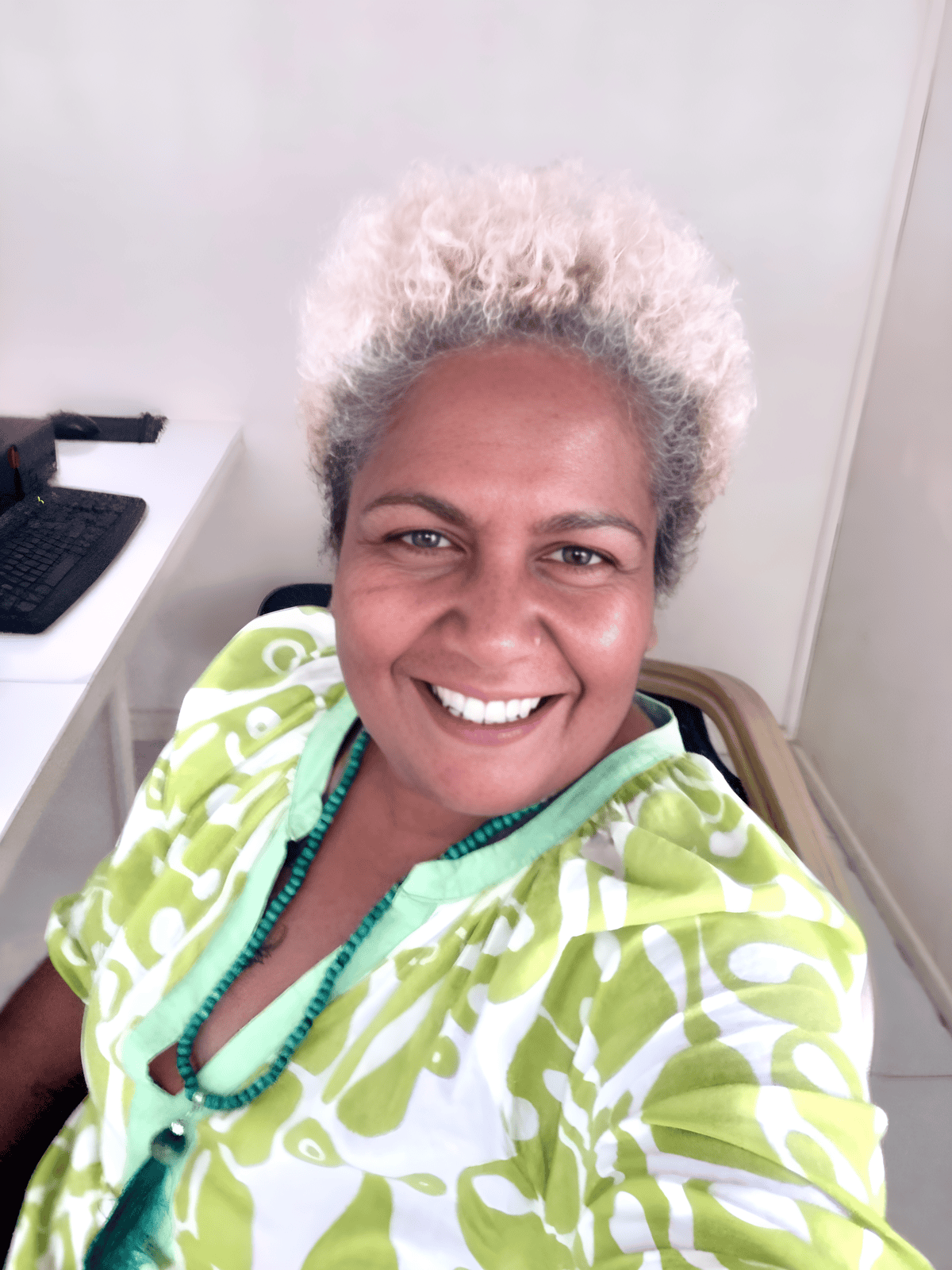
Co-founder of Women in Media and President of the Fijian Media Association, Rosi Doviverata, described the gathering as a historic moment.
“It’s been a challenging journey with a very small team, but we’re humbled by the overwhelming support from newsrooms and our male allies,” she said.
“This is about working together to create change – not just here, but across the region.”
The conference was officially opened by Minister for Women, Children and Social Protection, Sashi Kiran, who highlighted the underrepresentation of women in leadership and the rise of digital abuse targeting female journalists.
“Only 5% of women are on boards, and 5% are in parliament. That needs to change,” she said.
“Women are already making decisions every day in homes and communities. They deserve to do so in boardrooms and newsrooms too.”
Kiran also raised concern about increasing cases of online harassment and gender-based digital violence, describing the trend as “unacceptable” and calling for collective action across the industry.
Panel discussions throughout the event focused on media responsibility and ethical storytelling. Speaking during the session “The Key Role of Journalists in Amplifying Women’s Voices,” Dr Leigh-Ashley Lipscomb of UNFPA stressed the need for media practitioners to adopt trauma-informed approaches.
“Every story must be told with safety, respect, confidentiality and consent,” Dr Lipscomb said. “Not
publishing a name is not enough. We must protect all identifying information of survivors.”
She also urged journalists to be mindful when using images of women and girls in vulnerable situations, and encouraged the use of UNFPA, UNICEF and UN Women’s joint guidelines on ethical representation.
Selai Korovusere, representing the government unit responsible for coordinating the Fiji National Action Plan to Prevent Violence Against Women and Girls (NAP PVAWG), confirmed that the media sector has been prioritised as one of 13 key settings in the plan.
“The media is a critical setting,” she said. “It includes not only print and broadcast, but also social media and advertising. We are working to ensure survivor-centered and ethical reporting.”
Korovusere said recent sessions with Women in Media Fiji helped unpack gaps in reporting practices and emphasised the importance of media monitoring in holding government, schools, civil society, and faith-based organisations accountable under the action plan.