THE rising number of teenage pregnancies in the Pacific is an issue which must be addressed in an innovative way.
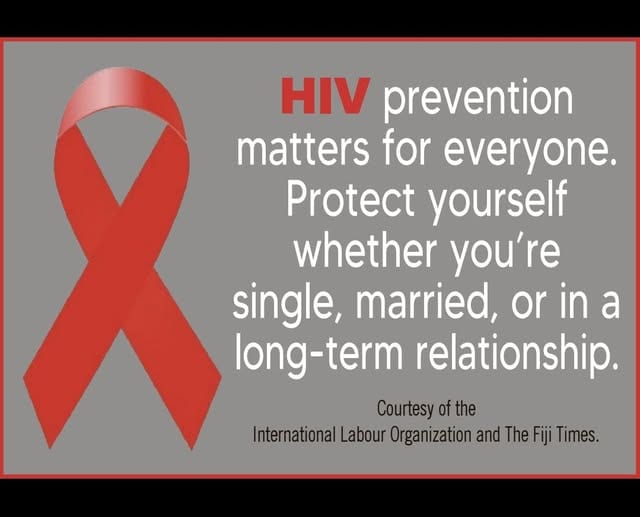
It’s no secret that across the region, the fight against teenage pregnancies and the rise in sexually transmitted diseases—particularly the HIV surge—has been affected by several key factors.
In many countries, there is a lack of contraceptives at critical health facilities because of poor management or issues with the supply chain. This is compounded by the myths and stigma, which still surround the use of contraceptives.
Unfortunately, there are some men who refuse to use protection through selfishness or a sense of entitlement. This must stop. Men, who often claim rights to leadership, must be advocates for safe sex. They must lead by example.
It is also their responsibility to lead the way in sex education. If men do not take on the role of teacher themselves, they must provide pathways in families and communities for young people to take the lead role around advocacy.
A recent gathering of regional health ministers heard that serious deficiencies existed in the delivery of knowledge around sexuality and education at all levels of society. But in a region in which pornography has taken hold and is available to the very young, this is a serious concern.
Young people make up around 60% of the region’s population. Their exposure to sexually transmitted diseases, early pregnancies, methamphetamines, and infections through multiple use of single needles is an existential threat to the region’s future.
Yet little has been done to train our youth to take on the responsibility of teaching each other about the inherent danger, which threatens their shared future. Governments must train and employ advocates who can speak about the dangers of HIV, preventive measures, and mitigation.
There is no shame in admitting that young people will most likely listen to and share with their peers than with older people whom they may not trust. In small countries or on remote islands, privacy is a rare commodity and trust is essential when talking about sexuality.
National condom campaigns are also essential in communities in which people are highly sexually active. This is not the time to hide behind scripture or puritanical belief systems that prevent church members from discussing matters of the flesh.
Lessons in morality have their place in society, but in a continent awash with suffering, where people are dying, the Church has a duty of care to speak out about the health issues that affect its members. If that means talking about lifestyle, sex, and the use of condoms, let it be so.
There is no reason condoms should not be made available through the social services and health networks of churches. If we want to save our people, countries must take radical, sometimes challenging or uncomfortable approaches.
In Fiji, condom dispensers were launched at 63 sites in February, and there are now 150 venues described as hotspots where condoms can be accessed. This initiative will save lives.
Pasifika people still have time for the Church and its messages. That’s why it is imperative for the Church to tackle the Sexual, Reproductive, Maternal, Newborn and Adolescent Health (SRMNAH) issue with every weapon in its arsenal.
That means preaching from the pulpit at Sunday services, addressing the issue through Bible study groups, and challenging men’s and women’s fellowships to take ownership of a problem that could decimate the population if left unattended.