THE scourge of drugs and its evil twin—HIV—remain possibly the region’s greatest security risk at this time. It is time for Pacific governments to take a serious look at programmes that address the use and trafficking of drugs, together with the associated problems caused by the sharing of needles and unsafe sexual activity.
The rising use of methamphetamines in Fiji, Papua New Guinea, and Tonga has placed a huge strain on law enforcement agencies, the judiciary, maritime surveillance, and health services. Even Vanuatu has reported the seizure of large quantities of drugs from sailors passing through remote areas of the
country, preparing to distribute the illicit goods in the Pacific, or in Australia and New Zealand.
In Fiji, methamphetamine use has entered the school system, with the youngest reported drug user being a mere 13 years old. Police have stepped up their efforts, but the proverbial horse has bolted the gate.
Without a concerted campaign involving a multi-agency and multinational approach, infections from the shared use of needles, rising prostitution, and unprotected sex will surge in numbers that the current
health service cannot possibly handle.
In many Pacific countries, health services struggle to cope with the rising cases of non-communicable diseases—typically diabetes and heart disease—and complications such as the need for amputations, dialysis, and open-heart surgery.
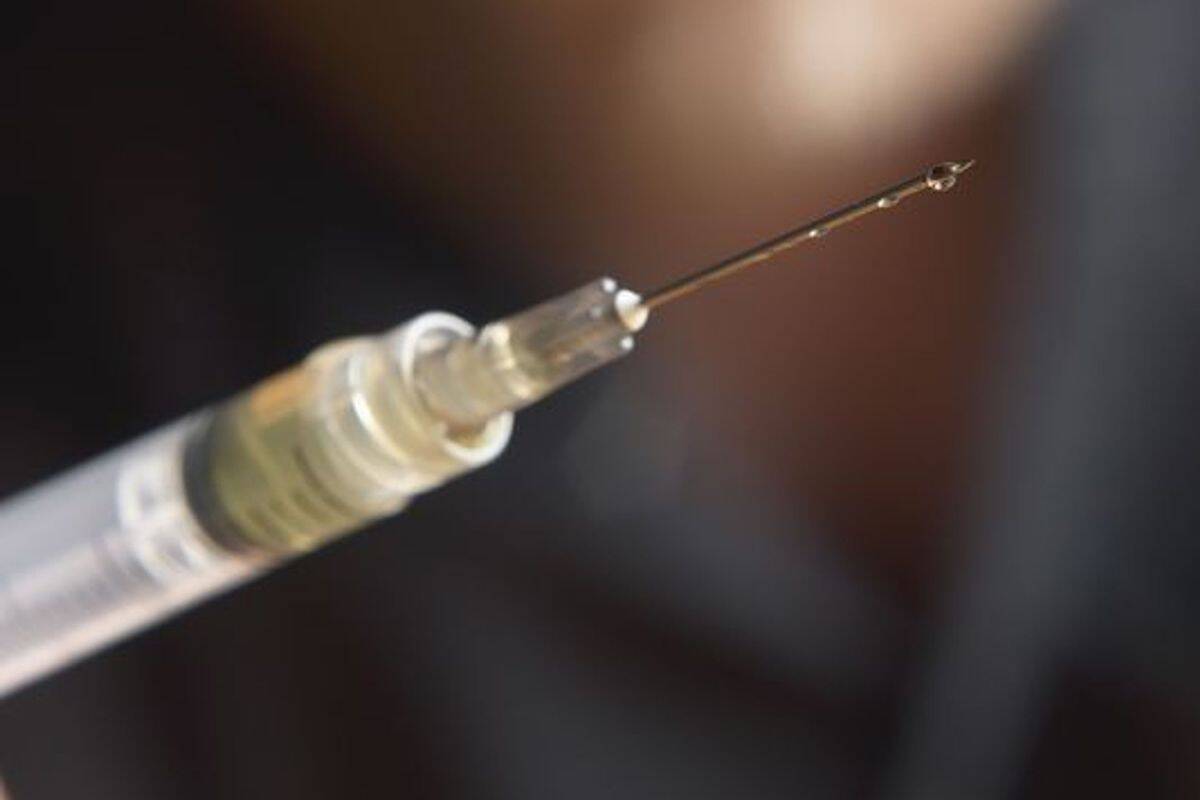
Most countries have not developed the coping structures—such as psychological support, safe houses, counselling services, and rehabilitation centres—that are critical to addressing drug-related issues. No Pacific country has implemented regulations around the disposal of syringes or ventured down the path of allowing these implements—necessary to medical services and intravenous drug use—to be purchased safely at pharmacies.
Syringes can only be sold to people with prescriptions. This immediately creates either a black-market trade in syringes or forces drug users to share needles – now a common means of HIV transmission.
Young Fijians have adopted a method of drug use which involves one person injecting drugs into their veins. A group of friends or associates will then draw blood from the person who has been injected and inject themselves, in a process known as “Bluetoothing”.
A survey in Fiji last year found 1583 new HIV cases, half of whom admitted to knowing how the virus was
transmitted to them. Around 400 patients admitted to using drugs intravenously. Any Fijian problem is, unfortunately, a Pacific problem. As a hub for employment, learning, conventions, shipping, trade,
and travel, Fiji hosts thousands of Pacific islanders every year.
Each one of them faces some level of risk from this surge in drug use. Parents must pay greater attention to the habits of their children, and schools have a duty to create drugfree environments for students. Churches must act in the prevention of the trade, and care for the victims.
Governments must take urgent action that is both preventive and remedial. Needle-swap programmes to make drug use safer, and provision of free condoms in public toilets, are perhaps the cheapest, most immediate actions that can be taken.
Of course, such a move will be condemned by the religious far right and ultra-conservative movements. But if we care for our people, condoms and needles are a small price to pay for the safety—and, indeed, the lives—of our young people. It is ultimately more harmful to the Pacific if its leaders do nothing to help drug users gain access to the help they need.
Despite national and regional campaigns, condoms remain largely inaccessible to the public because, for too long, the Pacific has used religious and cultural taboos as an excuse for failing to confront sexuality and HIV head-on. So, the stark reality is that, in the most important battlegrounds in the war against HIV and drugs—our homes and schools—the nation is fighting a losing battle.
Traditions and religion continue to place barriers between parents and their children, preventing the transmission of the sobering news that unprotected sex can kill. Much of that sex is now closely associated with drug use. A regional crisis is upon us. This is no time for pontificating about the evils of sex and drug use. This is a time for joint action to save the Pacific.