IN Fiji, 30 traditional leaders are undergoing training to prepare them for leadership roles in their provinces.
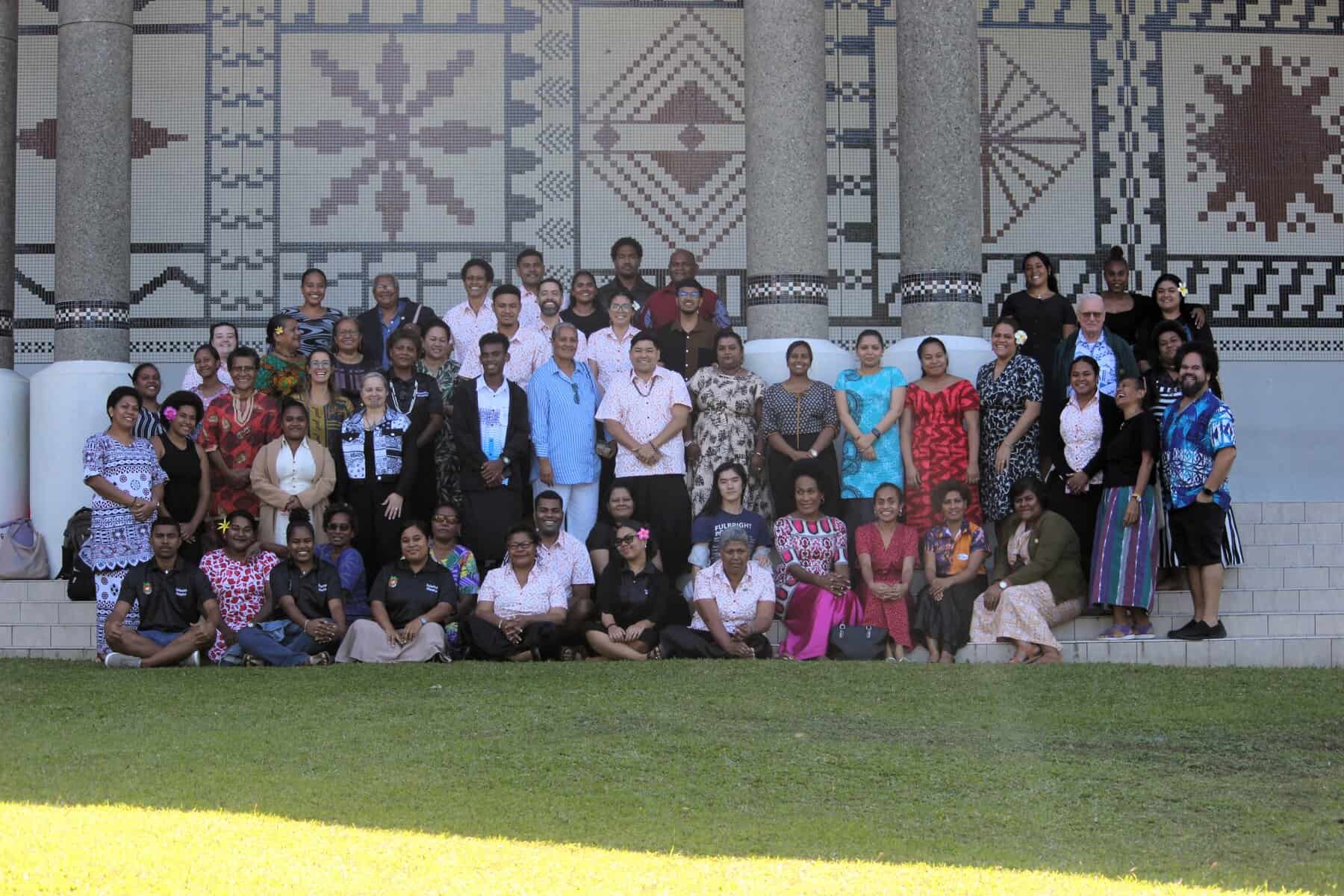
Last month, they were part of an indigenous knowledge forum at the Fiji National University, where academics, traditional custodians of culture and arts, and community leaders gathered.
For the chiefs, it was an opportunity to listen to the findings of research generated in recent years about knowledge, which has been passed down over centuries—mostly through legend or song—and how this might be applicable to Fiji today.
These traditional leaders will receive diplomas at the end of their training and be equipped with what academia believes is recognition that they have learned the required skills to lead in a community.
The diploma is validation from the world of learning. Traditional validation, however, may be possible only through status attained at birth or recognition by the community of outstanding skills.
While Fiji has—since the arrival of missionaries and colonial administrators—transferred traditional leadership through a hereditary process, merit or military might also be used to claim power.
Fiji has recognised that its communities are in dire need of quality leadership. It has also recognised that in a fastchanging world, a chiefly title does not command the same respect in 2026 as it did 100 years ago.
The initiative to provide leaders with academic qualifications to supplement their traditional positions is an attempt to validate them in two vastly different worlds.
In 1906, colonial authorities created Queen Victoria School as an institution where young chiefs could be trained and prepared to take over leadership of their people. Known as Vulinituraga (School of the Chiefs), this place of learning would produce many leaders in the Civil Service, industry, medicine, the judiciary, the media, the military, the church, and the wider community.
However, the original intention of providing strong, decisive, educated leadership at village level was never fully realised. The belated attempt to rectify the situation 120 years later is commendable.
But Fiji does not have another 120 years in which to strengthen traditional leadership structures. The combined onslaught of poverty, non-communicable disease, drugs, and AIDS are an existential threat to society, particularly the iTaukei.
If strong leadership is not provided in Fiji’s villages immediately, the battle for the future of the population will be lost within the next 20 years. Mounting mortality, disease, and drugs will destroy the iTaukei people.
So, while the Fiji National University and the government have undertaken to train 30 people a year, full coverage of Fiji’s 1200 villages will be possible in 40 years at the current rate – without considering natural attrition and other factors.
This is a dire need, which can only be met through an interagency response across all of Fiji’s universities and places of learning. At the village and community level, programmes must be created to prepare young people for leadership and instill in all iTaukei the positive attributes that will lead to a more resilient people.
The iTaukei cannot wait 40 years. It is time for the chiefs to stand up and take control of their people, leading by example with dignity, justice, compassion, and responsibility.
They must also be prepared to create bridges—linking the people to other communities and faiths—and create a Fiji in which tolerance and understanding is a way of life. This opportunity will not present itself again.