A FLEMISH proverb often attributed to Benjamin Franklin says: “We must hang together; else we shall most assuredly hang alone.”
That is the situation the Pacific faces as a region at this time. Rising gas and fuel prices caused by a war against Iran have affected every country.
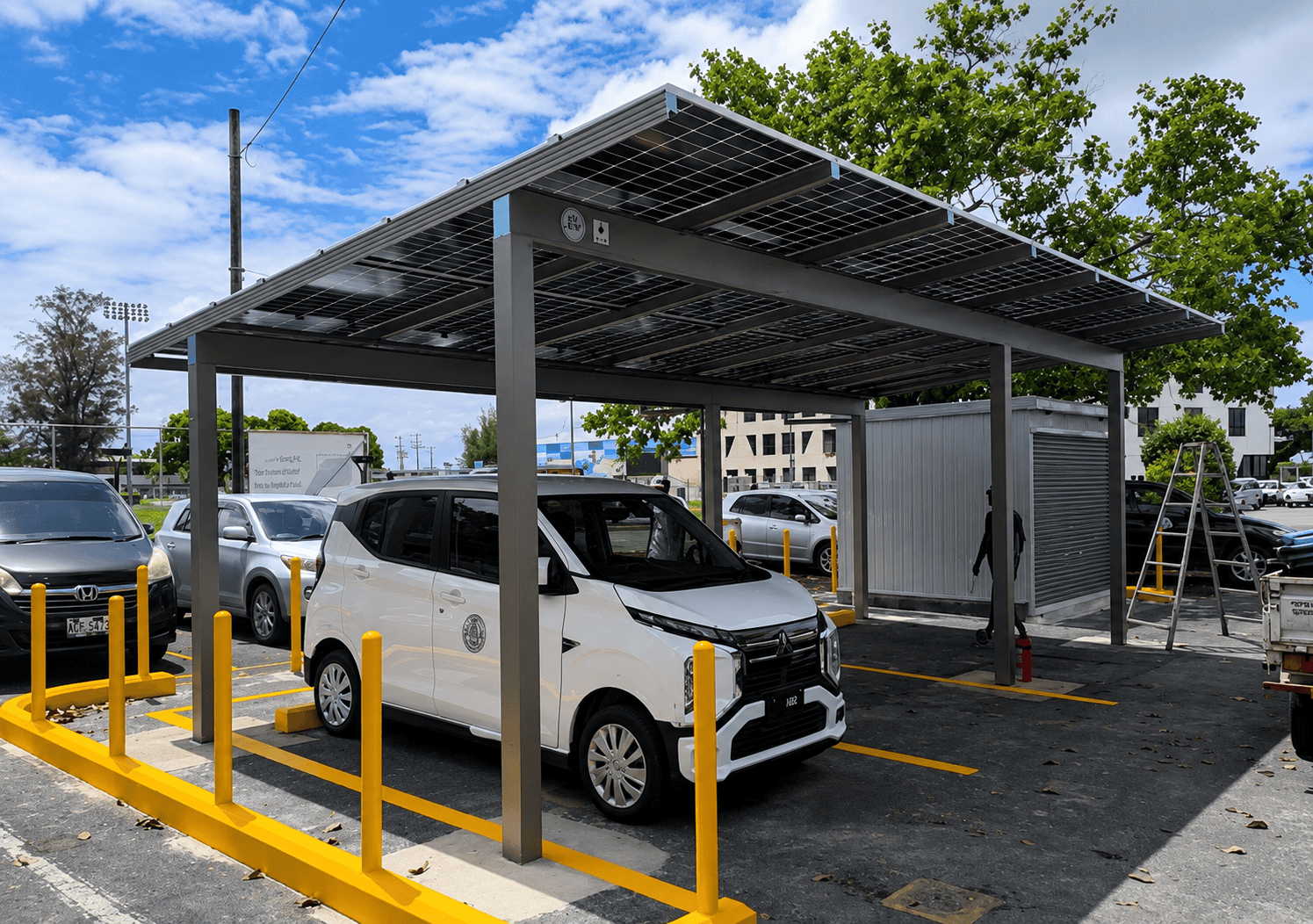
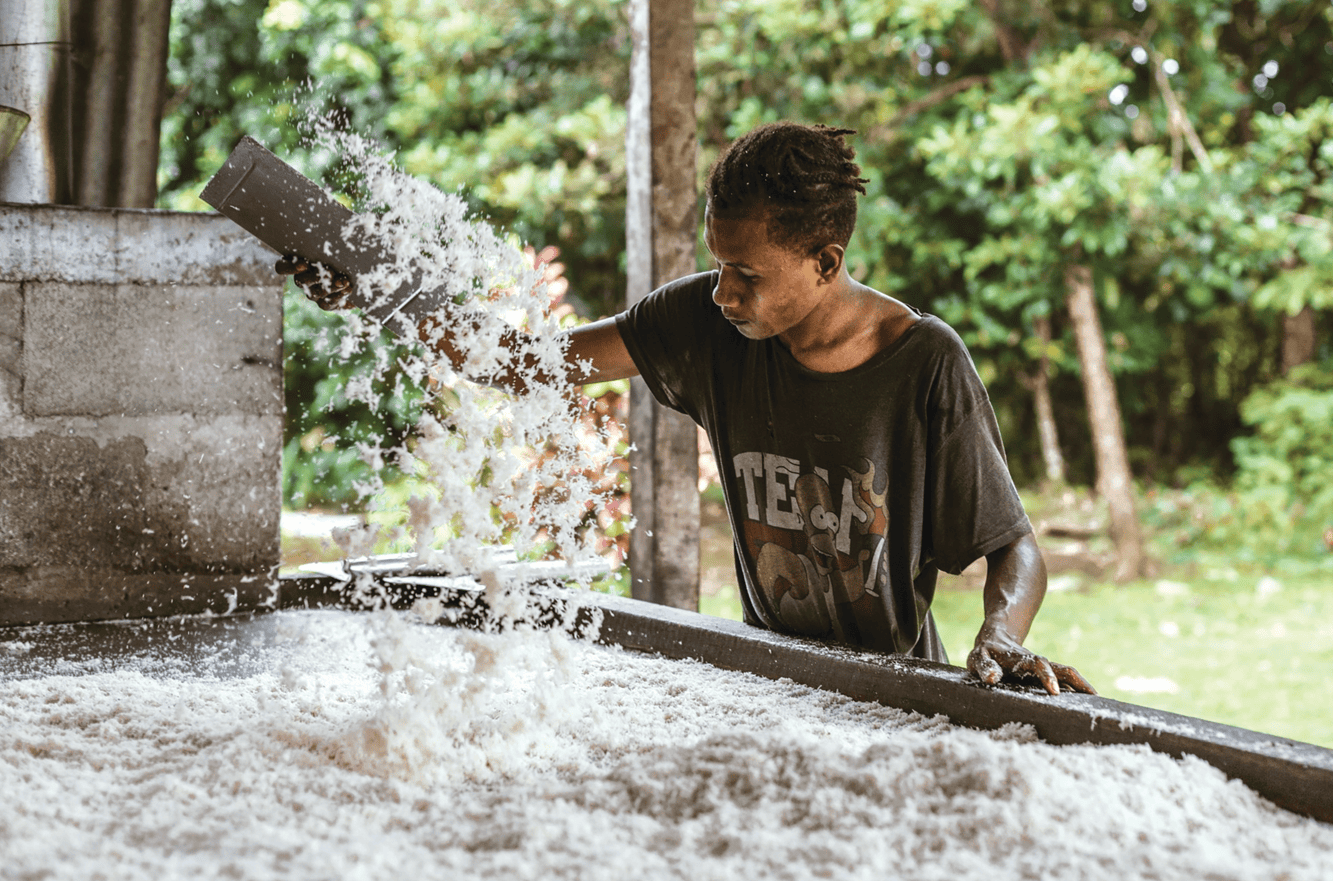
Energy prices have risen and it costs more to move vehicles. In some Pacific countries, transportation costs have risen 30 per cent and that has affected the price of root crops, vegetables, and fish.
Island leaders have invoked the provisions of the Biketawa Declaration, which speaks directly to regional security. And they have started to investigate—once again—the possibility of bulk fuel buying in an effort to control supply and price.
This is a concept investigated in the 1990s, but set aside because of the complexity of issues surrounding fuel quality in the 17 states.
This was a definite shift from the Pacific relational approach to towards a Western philosophy based on individual or bilateral relationships. And so, the opportunity for a collective approach to a regional problem was missed. This has, unfortunately, become the normal business model throughout the region.
In this way, the strong countries become stronger and force their values or methods on the smaller nations.
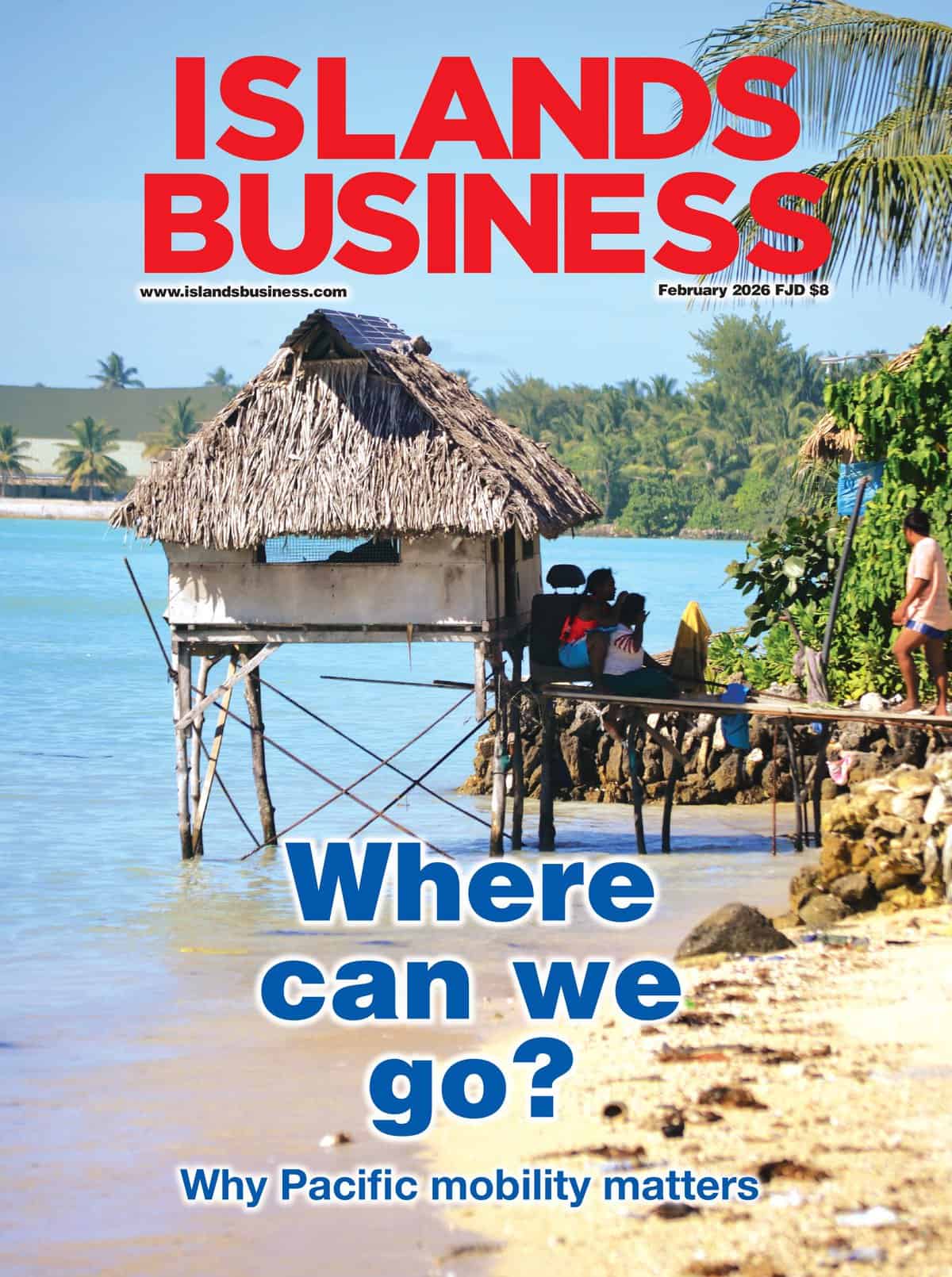
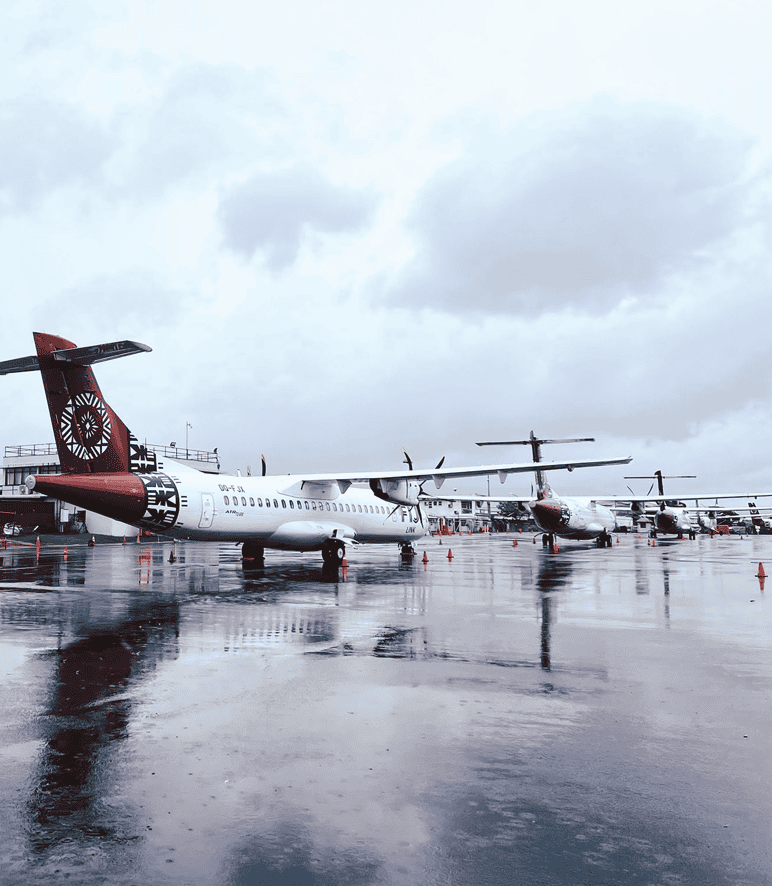
Every traveller from Kiribati and Tuvalu must pay fares determined by a Fijian airline.
Shipping and aviation costs could be lower in the Pacific if a political will existed to distribute expenses equitably. Of course, this goes against every profit-driven financial model taught at universities worldwide.
This does not necessarily make the model flawed or incorrect. Instead, it provides a reason for regional leaders to discuss the philosophies which exist in indigenous wisdom, which might offer a better way to address energy costs.
Alone, individual Pacific economies are too small to have a real influence or impact on global pricing or distribution networks. But as an economic bloc which occupies a major portion of the world’s oceans, it is possible to change the way others engage with the Pacific.
The question is – how willing are our leaders to use this existential threat to their individual countries to find a solution to collective survival? We must survive together as a people of this vast liquid continent.
Without taking collective action, we will all suffer alone.