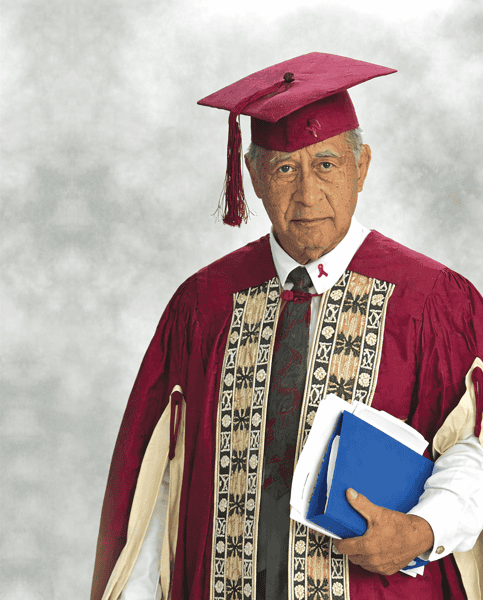
WITH the passing of former Fijian President Ratu Epeli Nailatikau, a chapter closed on iTaukei leadership, wisdom and gravitas.
In a country which struggles with identity—often taking the path of ethno-nationalism masquerading as Christianity—Nailatikau stood tall as an example of what a nation could be if it would only make the effort.
The scion of Tongan royalty and the chiefly household of Bau, he rose through the ranks to command the (then) Royal Fiji Military Forces before his exceeding charm was put to use as an ambassador to the Court of Saint James.
He was grandson of King George Tupou II of Tonga who, while yet Crown Prince, had a romantic liaison with Adi Litia Cakobau, granddaughter of Ratu Seru Epenisa Cakobau who with 12 other chiefs ceded Fiji to Queen Victoria in 1874.
Married to Adi Koila Mara—daughter of Fiji’s first prime minister—Nailatikau was destined for leadership and eventually became President of the nation after serving first as Speaker of Parliament.
Removed from office in 1987 when Sitiveni Rabuka overthrew the elected government of Dr Timoci Bavadra, Nailatikau stood against military intervention in national politics.
Serving as Deputy Prime Minister in the Interim Administration of Laisenia Qarase, Nailatikau attempted to provide an example of a more inclusive Fiji. He counted among his friends people of all Fiji’s ethnic groups and was as comfortable with Indo-Fijians—beer in hand at the golf or Defence Club—as he was around the tanoa sharing a bowl of yaqona (kava) with the Levuka Kailoma (Part-European) diaspora in a suburban Suva home.
In the State House—receiving royalty, leaders and ambassadors plenipotentiary—he was the perfect host, with words of détente – a representative of all Fiji’s people.
And he also had words of encouragement for people who faced the challenge of living with HIV-AIDS. There could not be a more unlikely advocate in this world than an iTaukei chief, soldier and statesman. Yet he showed that it was possible for a person of privilege to step out into the real world to meet the needs of the people.
His loss is felt across the land – from the chiefly houses to the corridors of Parliament, from the homes of the rich and famous to the dwelling places of the poor among whom he walked, trudging Suva’s streets daily as a common man with a word of encouragement for all he met.
Nailatikau left a legacy – service before self and the people above all else. It is a lesson Fiji’s leaders desperately need to learn as the country faces tumultuous times.