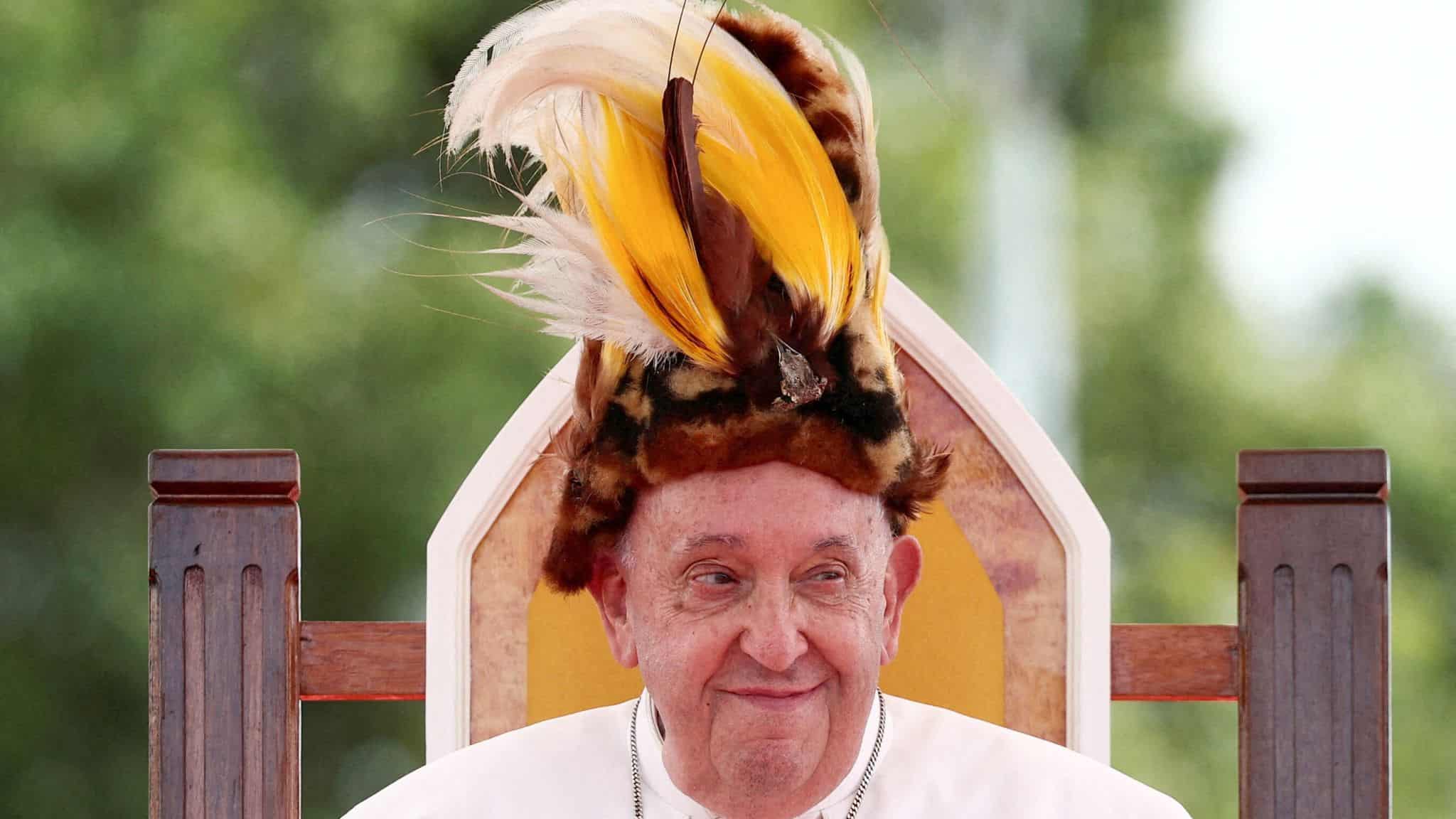
Pope Francis has left a legacy of hope for millions of Roman Catholic faithful around the world and those who seek climate justice.
Born Jorge Mario Bergoglio in Buenos Aires, Argentina, he was the first Pope born outside Europe since the Syrian, Gregory II, in the 8th Century.
He rose to prominence in 2001 during civil unrest in his home country and did not hesitate to speak out against the repressive approach to the people by two regimes.
His election as Pope, following the resignation of Pope Benedict XVI in 2013, was a surprise to many Vatican observers but signaled an approach which was less repressive and more people-centred.
He chose Francis as his papal name, honouring St Francis of Assisi and signaling his intent to tackle issues around nature and creation.
Francis was noted for his humility, emphasis on God’s mercy, international visibility as pope, concern for the poor, and commitment to interreligious dialogue.
This approach has not trickled down through every strata of the church, but some progress has been made.
As Pope, Francis called for a church which smelled like the poor, given that millions of Catholics—and indeed billions of the world’s people—live in poverty.
His inclusive approach ensured that the Roman Catholic church aligned itself more towards Jesus Christ’s teaching about caring for those in need.
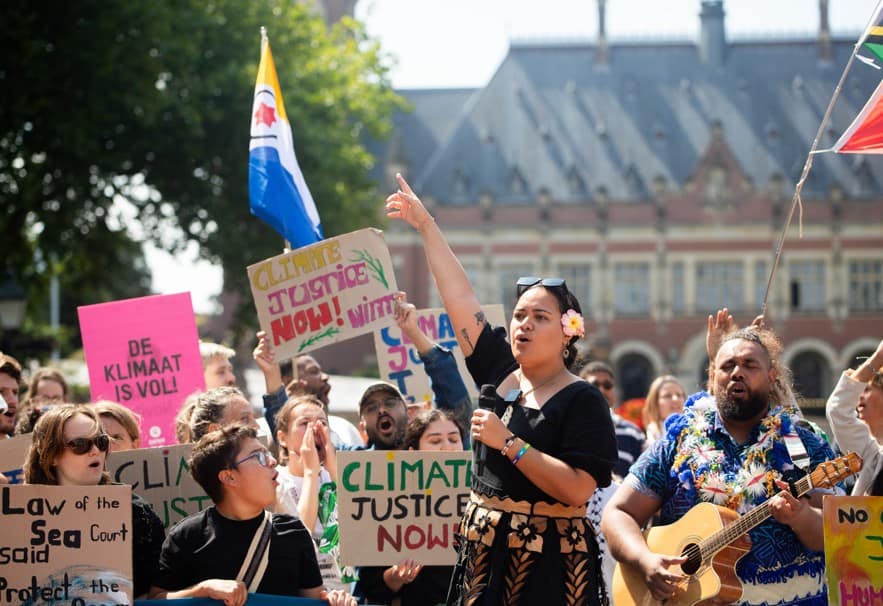
Perhaps his greatest contribution was to the fight against global warming. He took that message to government leaders at every possible opportunity. This did not make him many friends among global leaders.
He also caused offence by refusing to condemn members of the LGBTQI+ community on the basis of their sexual orientation. Francis said: “If a person is gay and seeks out the Lord and is willing, who am I to judge that person? “I was paraphrasing by heart the Catechism of the Catholic Church where it says
that these people should be treated with delicacy and not be marginalised.”
It was in the margins that Francis based his ministry appointing cardinals from among the poorer nations, including Cardinal Soane Mafi Batita of Tonga and Cardinal Sir John Ribat of Papua New Guinea.
Will his successor be able to continue the work Francis has started in these areas, as well as the protection of refugees, migrants, and women?
Francis showed that it was possible, with political will, to make a stand. He recognised that it was the role of the church to speak for the oppressed. And he did so without fear or favour.
As the world changes, will the next pope be equally vocal? Now, more than ever, the world needs a church leader of prominence who will speak for those in need.