ON September 16, Papua New Guinea will mark 50 years of independence – a milestone that highlights the pride of nationhood.
At the same time, it faces the enormous challenge of forging unity in one of the world’s most diverse countries. Prime Minister James Marape has called the golden jubilee “a time to honour our past, recognise our achievements, and recommit ourselves to the ideals our founding fathers envisioned – for unity, progress, and prosperity for all.”
However, this sentiment is not shared by all Papua New Guineans. Prominent figures like Papua New Guinean and former Pacific Islands Forum Secretariat Secretary-General Dame Meg Taylor have cautioned that, while independence began with hope, Papua New Guinea has at times “failed to live up to its
promise.”
The story of Papua New Guinea’s journey towards sovereignty is one of resilience, shaped by colonial control. At different times in the nation’s history the Dutch, Germans, and British held parts of the territory before Australia took over in the early 20th century.
Post-World War II, Papua New Guinea were merged under Australian trusteeship, until Sir Michael Somare led the peaceful transition to independence in 1975. This marked the birth of a nation of immense diversity, with more than 850 languages and millions of people living across one of the world’s most rugged terrains.
In the decades since then, the country has faced triumphs, tribulations, and turbulence. A nation rich in natural resources, Papua New Guinea has amassed significant wealth from mining and energy exports,
but has also endured disputes – most notably, the long Bougainville conflict.
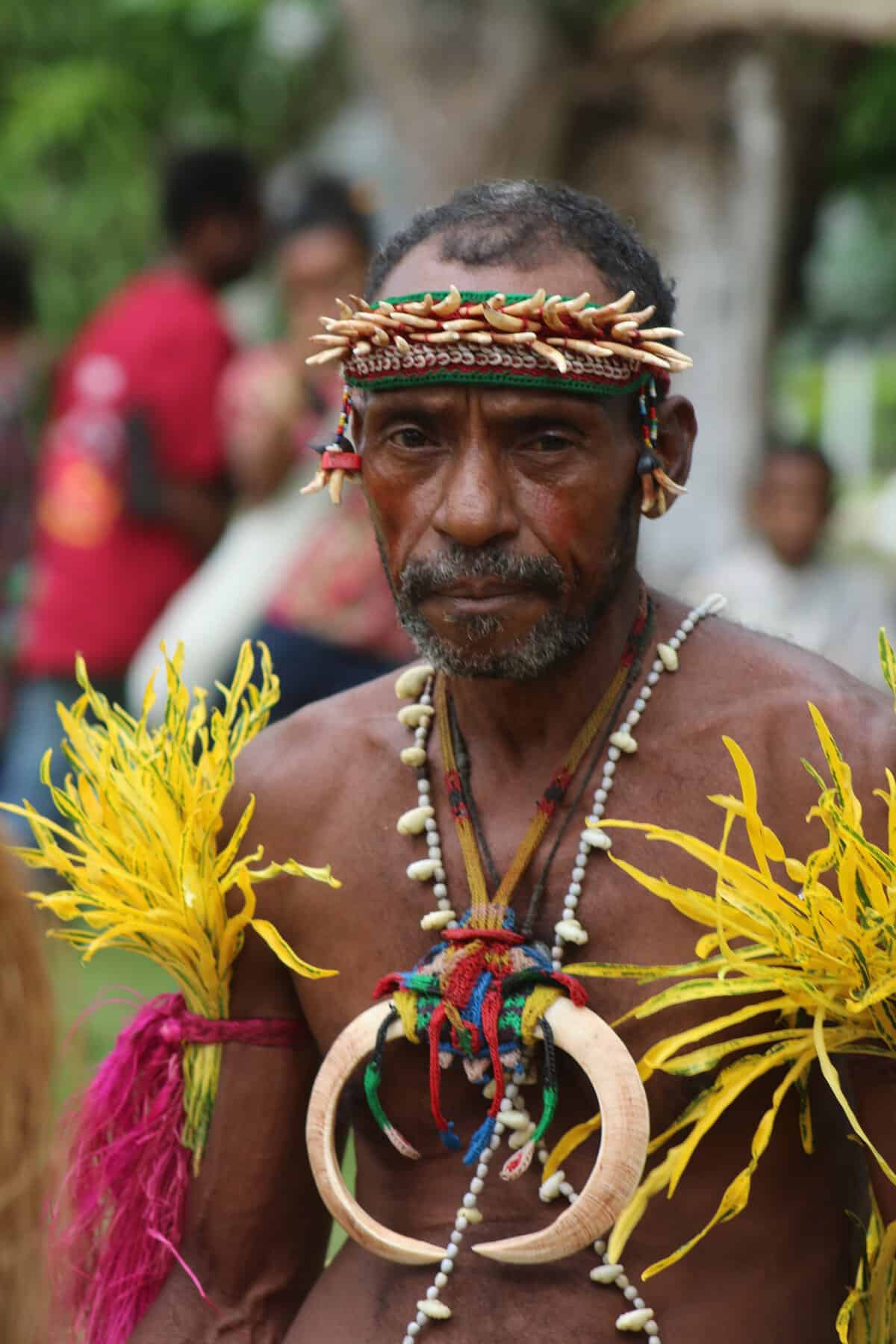
The nation’s political landscape remains highly localised, corruption and law-and-order problems persist, and women remain underrepresented in Parliament, despite their crucial roles in village-level peacebuilding. Culturally, however, Papua New Guinea has thrived. Its artists, writers, and musicians continue to bridge traditional values with modern society, giving a voice to the complexities
of identity in a changing world.
Internationally, Papua New Guinea has pursued a “friends to all, enemies to none” foreign policy that has guided its relations with Australia, the United States, China, and Indonesia. It has also emerged as a strong regional voice on climate change and Pacific solidarity – particularly in supporting West Papuan rights.
As the jubilee drums prepare to beat, Papua New Guinea stands at a crossroads. The kundu (traditional drum) and bilum (traditional string bag)—symbols of cultural pride— remind its people of resilience. The
question now is whether the nation can turn diversity and resource wealth into stability and opportunity for all.
Fifty years on, Papua New Guinea’s independence is a story still being written – one of hope, resilience, and the ongoing search for unity.