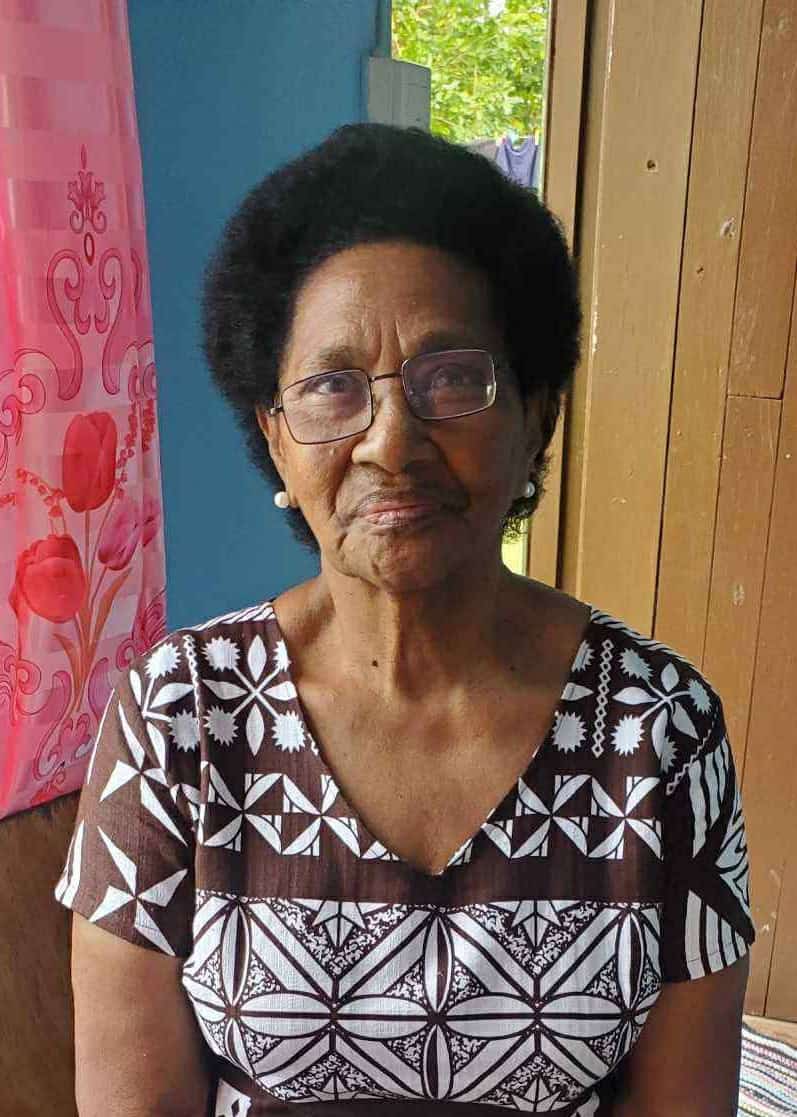
FOR 79-year-old Tokasa Vosayaco, Fiji’s journey to nationhood is not just a chapter in a history book; it is the story of her life, woven with threads of joy, trepidation, and an enduring faith in community.
As Fiji celebrates 55 years of independence, her memories of 1970 remain vivid, offering a poignant window into the emotions that defined a generation.
“I remember that day vividly,” Vosayaco said, her voice echoing the mix of feelings that characterised October 10, 1970.
“There was joy and celebration everywhere – people were proud and excited to see Fiji become independent. At the same time, there was a quiet sense of uncertainty about the future.”
At 24 years old, as a mother of a young child, her personal joy was tempered by misgiving.
“I worried about what would happen if another World War broke out. Now that Fiji was independent from Britain, I wondered how we would be able to protect ourselves.”
Yet, amidst this national anxiety, life in the village continued to be guided by a sense of communal duty and kindness – a value she believes is central to the Fijian spirit.
She recalled how her parents welcomed strangers into their home as if they were family, regardless of their background.
“I recall one striking moment when my parents brought a stranger, Ram Kisun, of Indian descent, into our home. We fed him, clothed him, and welcomed him as part of our family.”
On another occasion, an Indo-Fijian couple and their child, came to live with them, sharing their home until they could build a small dwelling nearby. The man, a barber, started a small hair-cutting business in the village.
“He cut hair to earn money, and when they could support themselves, they moved on. These experiences taught me the importance of kindness, generosity, and supporting each other.”
Independence meant more than flag-raising ceremonies; it meant building a life from the ground up. With her husband, Vosayaco worked tirelessly to provide for their children, ensuring they were fed and educated.
This new era of freedom demanded resilience and a deep reliance on faith.
“Independence taught us to stand on our own and make decisions for our family’s future,” she reflected.
“It strengthened our resilience and perseverance, and it deepened our appreciation for our culture and traditions.” This commitment to heritage became a family legacy, carefully passed down so her children would “grow up proud of who they are”.
Now, looking across 55 years, she sees a Fiji that has navigated immense challenges. Her advice to the youth of today is rooted in this far-sighted perspective.
“Life has its ups and downs, and our country faces many challenges – from crime to social pressures,” she acknowledged.
“In times like these, God is our hope and our guide.” Her message is one of steadfastness and unity.
“I encourage young Fijians to stay close to their faith, make wise choices, and support one another. Work hard, value your family and community, and never give up hope.”
What stands out most after four decades of nationhood is not a single event, but the enduring human spirit.
“What I remember most is the mix of joy and despair,” she said.
“We were proud and excited, but we also worried about the future.”
Yet, from that uncertainty emerged strength. The lessons of kindness learned in her parents’ home, the resilience forged in raising a family, and the faith that guided her through decades of change – these, she believes, are the true legacies of independence.
“The hope and pride that independence brought to our people,” Vosayaco said, “remain alive today.”
For her, Fiji’s story is still being written, each generation adding its own verse to a song that began with both a cheer and a whisper of concern on a bright October day in 1970.