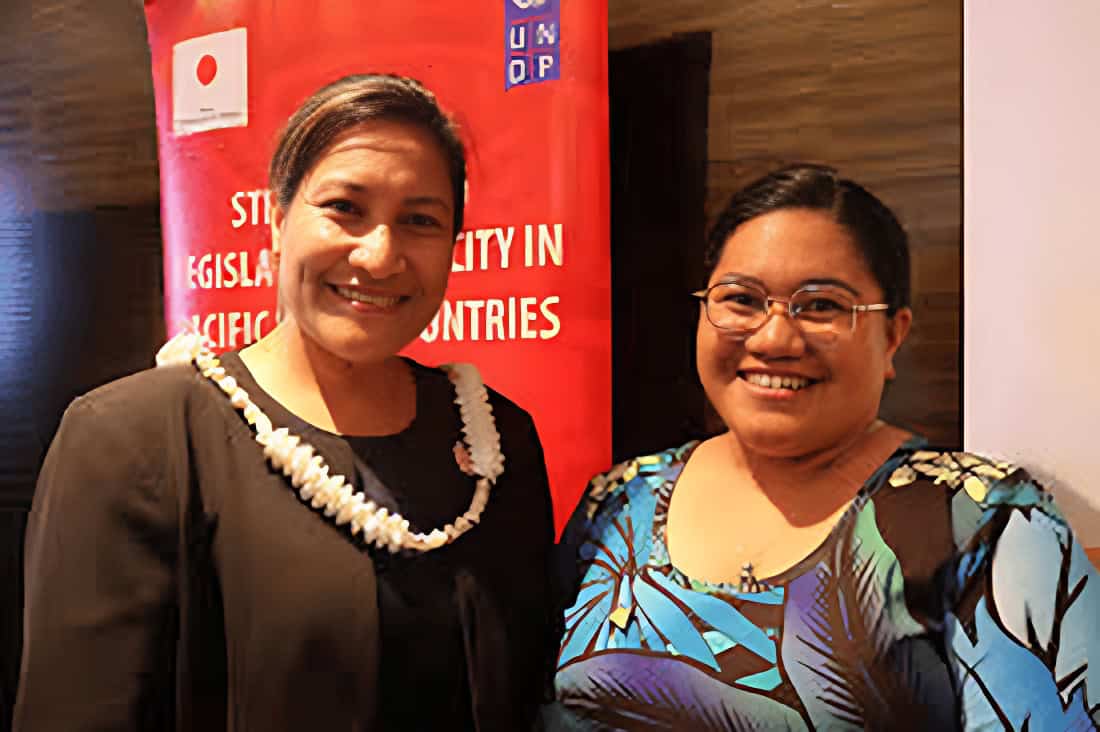
NIUE has marked a historic milestone in its democratic journey, with the election of seven women into Parliament.
It’s the highest number of female representatives ever elected in the nation’s history and a significant achievement for gender equality across the Pacific region particularly, given that Pacific parliaments have historically experienced low female representation compared with global averages.
In an unprecedented outcome, women secured four of the six Common Roll seats alongside three additional village constituency seats, reshaping the face of leadership in one of the world’s smallest self-governing nations.
Across the Pacific, the advancement of women in political leadership continues to face barriers despite longstanding regional and international commitments to gender equality, including the Pacific Leaders Gender Equality Declaration.
The recent revitalisation and renewed emphasis of the Declaration speak volumes about the Pacific’s recognition that meaningful progress for women and girls still requires urgent attention, investment, and accountability across all sectors of society.
Niue’s latest election outcome therefore represents not only national progress, but also a powerful regional statement about women’s leadership, representation, and visibility in governance.
Yet beneath the celebration lies a more complex reality.
While there is often a perception that gender equality is already strong in Niue because women occupy several senior public service and Director-level positions, young women advocates argue that representation alone does not necessarily translate into advocacy for women’s rights, wellbeing, or systemic change.
Notably, despite women having previously served in Parliament, the national budget allocation dedicated to women’s development and support initiatives has remained unchanged since its inception.
For younger women and emerging leaders, this election has highlighted the continuing social pressures women face – not merely from men, but often from women. A female candidate who contested the Alofi South village seat against both the current and former Prime Minister—losing by only one vote—reflected on the experience, saying that women in Niue still too often feel required to “prove their worth,” whether through appearance, delivery style, or how they are perceived socially.
She said the election experience further strengthened her advocacy for confidence, self-worth, self-love, and empowerment – believing that women and young girls should grow up knowing they are already enough, capable, and deserving of opportunities based on the quality of their work, capabilities, and contributions, rather than unnecessary focus being placed on outward appearance or social expectations.
As Niue enters this new parliamentary chapter, many now hope the historic representation of women will translate into stronger advocacy, greater investment in women and youth, and a broader national conversation about equity, dignity, and inclusion for future generations.