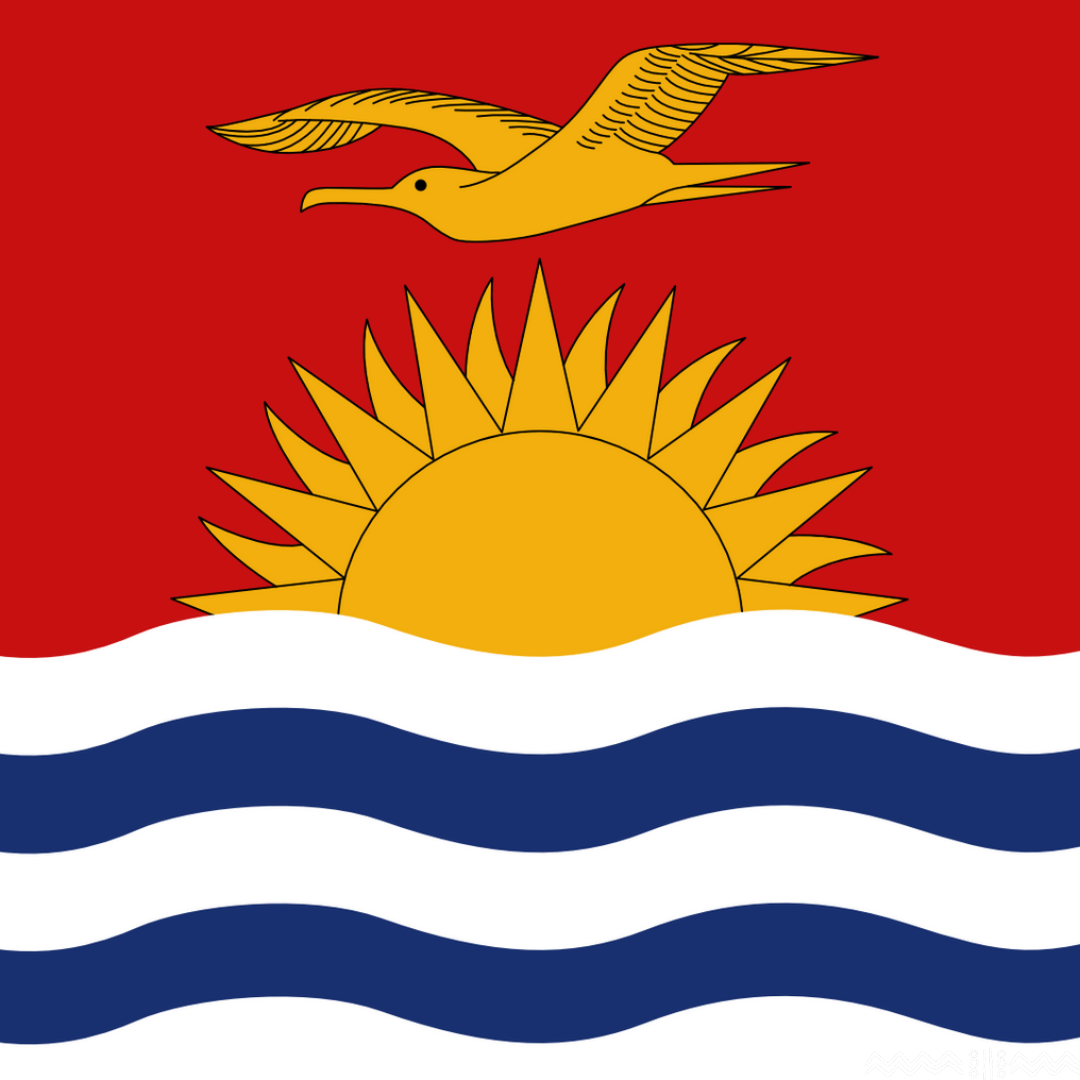
KIRIBATI became the world’s largest consumer of Vanuatu kava in 2024, importing a staggering 280 tonnes at a cost of around $FJD33.6 million. That’s an average spend of $FJD290 per person with the island republic’s population estimated at around 116,000. Arable land is in short supply on every Kiribati atoll, but that doesn’t mean it cannot produce its own kava. In 2014, under President Anote Tong, Kiribati bought the 5500-acre Natoavatu Estate in Northern Fiji for an estimated $USD8.77 million. Using recommended planting techniques, a grower can plant 1200 plants per acre and harvest four kilograms per plant at around $FJD100 per kilo. Based on these figures, a Kiribati state-run enterprise could cover its imports from Vanuatu using a mere 58 acres of its Fijian landholdings. The current president, Taneti Maamau, has not appeared keen to use the land purchased during his predecessor’s tenure. But the fact remains that 5500 acres exist in Fiji for the use of the Kiribati people, primarily for food security. It is a tremendous opportunity to diversify a national economy for the benefit of two Pacific countries and create employment opportunities. Maamau’s reluctance may be linked to recent reports that kava abuse has led to social problems, including the failure of men to be productive in the fishing grounds. Kiribati’s Minister for Women, Youth and Sports, Ruth Cross Kwansing, has raised concerns about kava’s effects on society, recently telling the ABC the impact of high kava consumption was being felt at homes. “If fathers aren’t home with their children and their wives, then obviously they’re not looking after their families and their children,” she said. “If they’re spending all the money on kava, then where’s the funds that the family needs for food and basic essentials?” She said men were exhausted from late-night kava drinking and not able to cut toddy or go out fishing and were not productive at home.
Fiji land an option
October 8, 2026
•
Web Admin
•