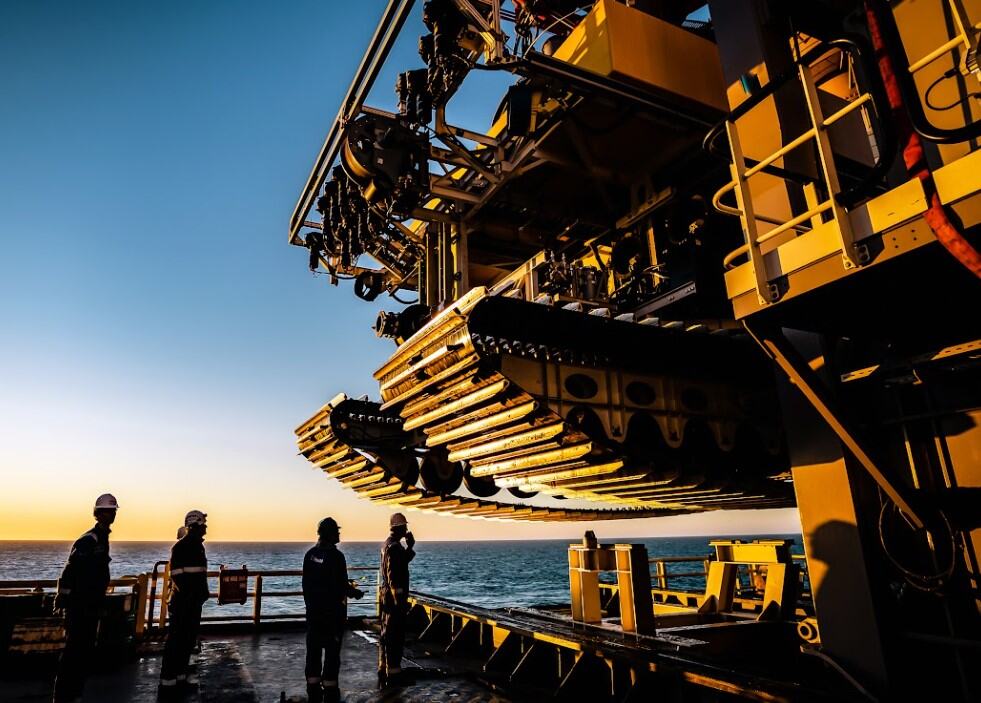
There has been interest in deep-sea mining in the Pacific since as early as the 1970s, but it was not until 2016 that the first drill dropped beneath the waves with the intent to begin full mining operations.
Canadian mining company, Nautilus Minerals, was set to be the world’s first deep-sea mining firm, having explored Papua New Guinea waters since the late 1990s. In 2008, Nautilus Minerals provided the country with its Environmental Impact Assessment.
The company’s first major project in the Bismarck Sea was named Solwara 1, and had plans to extract copper, gold, silver, and zinc, from an area 30 kilometers off the coast at a depth of 1600 meters.
But the project never reached the stage of extraction.
Despite strong opposition from NGOs, civil groups, and local residents regarding concerns ranging from those rooted in the potential damage to the undersea ecosystem to those rooted in culture and sentiment, Solwara 1 was a go.
In the end, it was not environmental nor cultural concerns that brought the project to a standstill, but rather the withdrawal of a key corporate investor, bringing Nautilus Minerals to the brink of bankruptcy and forcing them to abandon their plans to begin extraction in 2019.
While Solwara 1 made it close to beginning full mining and extraction operations, no company in the world has yet claimed the title of being the first to do so.
While dozens of exploratory projects have been approved over the past few decades, no company has yet been given the approval to begin commercial deep-sea mining operations anywhere in the world.
But Tonga and Kiribati are watching events unfold in Nauru, which is inching closer towards sending drill units to the ocean floor.