FOR a nation of over 980 islands, the sky is not the limit – it can, at times, be the only lifeline.
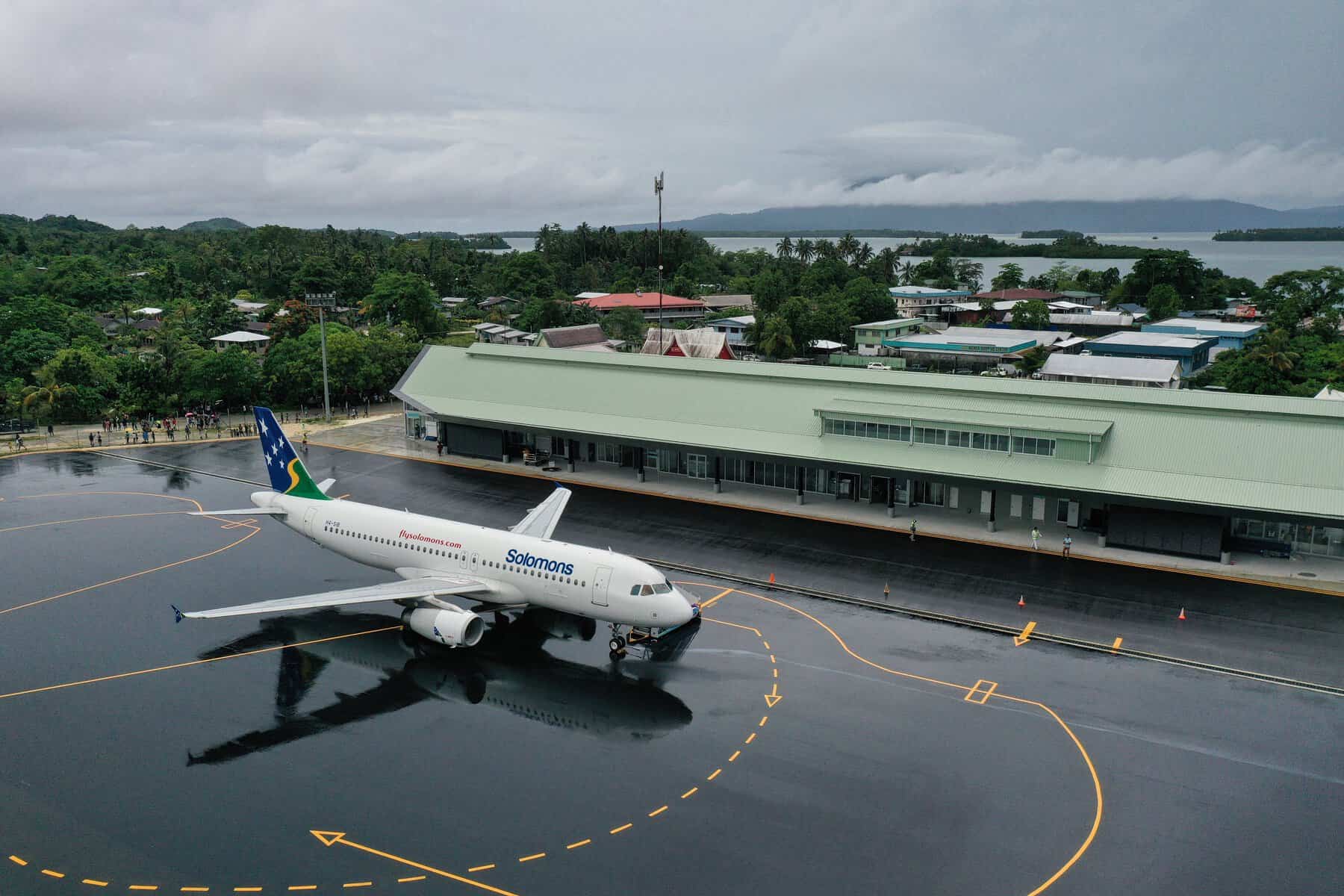
Ten airports, including the international gateways of Honiara and Munda, link the Solomon Islands which stands on the precipice of transformation as a wave of infrastructure development sweeps across the country.
The scale of the current projects is by no means small. From new Rescue Fire Stations and Air Traffic Control towers in Honiara and Munda to complete runway refurbishments and new terminals in remote outposts like Santa Cruz, Suavanao, Seghe and Taro, it’s not just about pouring concrete and steel.
It’s about rebuilding the connective tissue of the nation. These projects, managed in partnership with the World Bank and the Australian/New Zealand governments, represent a commitment to safety and modernity that the people of Solomons should expect.
As Solomon Islands Airports Corporation Limited CEO Trevor Willcock puts it: “Having up-to-date, well maintained airport facilities is a big part of our ongoing focus as an airport company. We would like air travel to be safe and compliant across all airports.”
This commitment to safety is the bedrock upon which all else is built. Critics have legitimate misgivings over cost overruns and delays – challenges that have plagued previous developments.
However, the oversight provided by Solomon Islands Roads and Aviation Project (SIRAP) and the Ministry of Communication and Aviation offers strict protocols to ensure these vital assets are delivered on time and within budget.
Yet, the true measure of success lies not in the runways themselves, but in the lives they change. For remote communities, airports are often the first stop on a long journey home. They reduce the geographic isolation that plagues Pacific nations, connecting families and opening doors to business and social opportunities.
“We know the importance of good airport infrastructure for the people of Solomon Islands to connect for social and economic reasons,” Willcock said, adding that local communities can “receive emergency supplies as and when needed” – a critical lifeline in a region prone to extreme weather. The local response is encouraging, Willcock said.
“The response has been extremely positive as people in the regions understand the need for air connectivity and the benefits that this can bring to their communities.”
Beyond connectivity, these projects inject lifeblood into local economies through employment and create opportunities for new small businesses.
Looking ahead, Willcock is clear about the future: “Airport development is always looking 5 to 10 years ahead in order to be able to meet future demand and trends.” He envisions a Solomon Islands where tourism grows to rival other Pacific nations, and where the airport network serves as an “ongoing enabler for tourism growth.”
This is more than a construction programme. It is a declaration that no matter how remote your island, you belong to the future.
As new terminals are built and runways refurbished, it’s not just about improving airports – it’s about building bridges of opportunity, strengthening the economy, and ensuring that the people of Solomon Islands are never left behind.