THE growing urgency of climate change affects mental health, placing social workers at a critical crossroads as advocates and support systems for individuals and communities facing the
psychological impact of environmental crises.
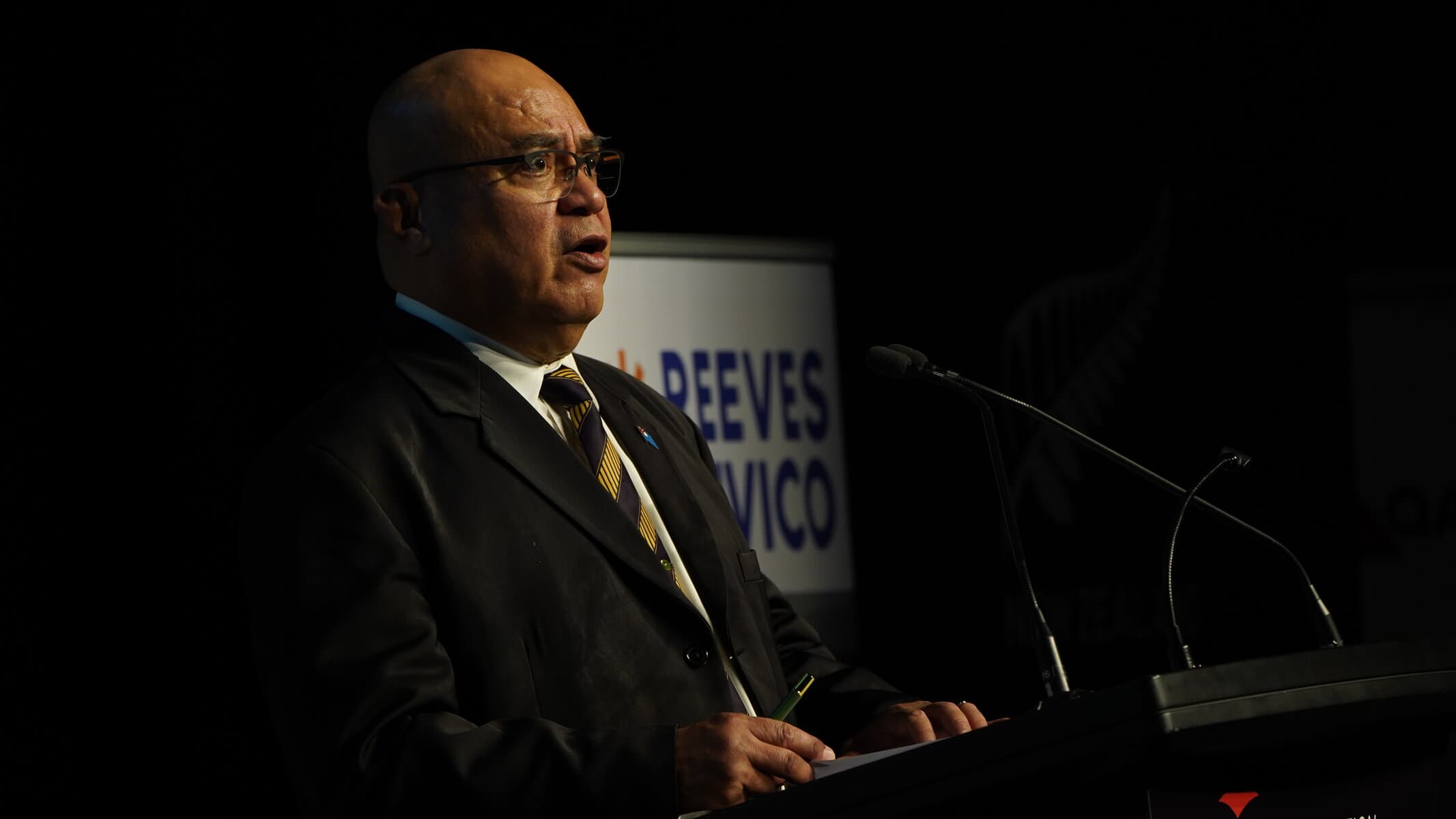
“The great thing about Pacific social work is being able to understand what is happening for the individual, their wider family, and community,” said Jioji Ravulo, Professor and Chair of Social Work and Policy Studies in the Sydney School of Education and Social Work at The University of Sydney.
“Pacific social work really emphasises a holistic approach, aiming to understand that we’re not just individuals isolated within our own families, let alone within our communities.
“As Pacific people, our identities are deeply rooted in our families, communities, and villages. And that’s not just for individuals. That also encompasses the land and what it symbolises, as well as our
ancestors’ spiritual connection to that space.”
Ravulo said that when climate disasters occur, they disrupt our ability to have those connections with ourselves and others.
“When people experience a disaster, it affects their wellbeing and may also cause trauma. This is because their usual way of handling situations changes quickly due to issues arising from the local climate, which impacts their well-being.
“Social work can also assist individuals in navigating and understanding these impacts. Holistically, we need to respond within the profession of social work.’’
With climate change and mental health issues at the forefront, social work can play a vital role in assisting individuals to navigate and understand the various impacts on their lives.
He added that social workers also need to be better informed about the environmental impacts on their practice.
“There is no denying that if you work as a social worker in the Pacific, climate change will affect your role,’’ Ravulo said. “Therefore, being aware of how to respond professionally to those impacted by climate change is very important.
“If we’re going to advocate for fair and just societies, and develop policy responses to climate change, we also need to be aware of how we are creating policies that are responsive to the communities affected by
these policies.”
Aotearoa New Zealand Association of Social Workers
“Social Worker globally—in our national context—we’re often referring to codes of ethics, and these codes are the foundation of our profession,” said Nathan Chong-Nee, Chief Executive Officer of Aotearoa New Zealand Association of Social Workers (ANZASW).
He emphasised the importance of integrating climate justice into these ethical frameworks, arguing that it should be an integral part of social work.
“As professional associations, social workers have a role in publicly expressing their positions on
climate change and taking responsibility for their impact.”
Discussing the influence of cultural beliefs and practices on individuals’ responses to climate-related stress and mental health, Chong-Nee said being a social worker is knowing who we are and who we are connected to.
As an Indigenous social worker himself, he said, “We are, um… connected to our ancestors, we’re connected to our lands, and we’re connected to the responsibility to take care of our current and future generations.
“That kind of intersectionality is part of what it means to be a social worker – we have to speak up for everyone who is on the journey with us.
“For Indigenous social workers, we bring our whole selves to our practice – how we relate with other Indigenous people we are connected to, and how we draw on both our lived experience and the academic lens we gain through training as social workers,” he said.