

THE Commonwealth Election Commission (CEC) wants the CNMI Legislature to pass an election reform bill to modernise the territory’s voting system. Proposed amendments would introduce online registration, early voting, and updated absentee and residency rules. CEC board member Florence Sablan expressed frustration at the slow legislative response, suggesting political self-interest is delaying progress ahead of the gubernatorial election. Senators have said that they are ready to support the updates if formal proposals are submitted. The reforms are aimed at improving accessibility and engagement, particularly for younger voters, as the country looks to the future.

PRIME Minister Mark Brown has affirmed his government’s commitment to repairing its strained relationship with New Zealand, which has frozen nearly $NZD30 million in funding over two years. The diplomatic tension follows Cook Islands’ agreements with China, undertaken without prior consultation with Wellington. Brown emphasised that reconciliation must not compromise the nation’s hard-won independence, noting the situation has highlighted the risks of over-reliance on a single development partner, particularly in an increasingly globalised world. While valuing New Zealand’s support, the government is pursuing a more diversified and modernised partnership model that it is hoped will strengthen long-term resilience and self-determination.
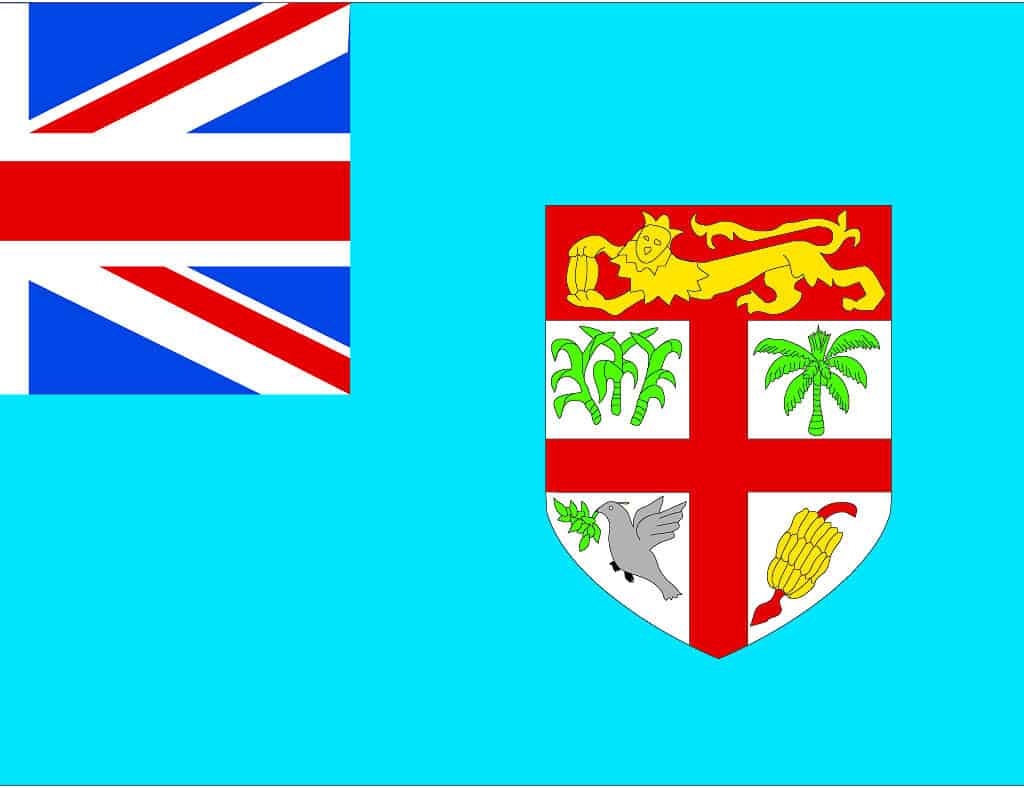
THE Republic of Fiji Military Forces (RFMF) has presented a formal traditional apology, or matanigasau, to the Great Council of Chiefs for its role in the nation’s past coups and political instability. Commander Jone Kalouniwai in his speech said that the military had “diverged from its true purpose” and acknowledged the deep scars left by repeated interventions over the decades. The ceremony was held at Queen Elizabeth Barracks. High Chief Ro Teimumu Kepa accepted the apology on behalf of the chiefs, as the RFMF committed to upholding civilian supremacy and breaking the cycle of military involvement in politics.
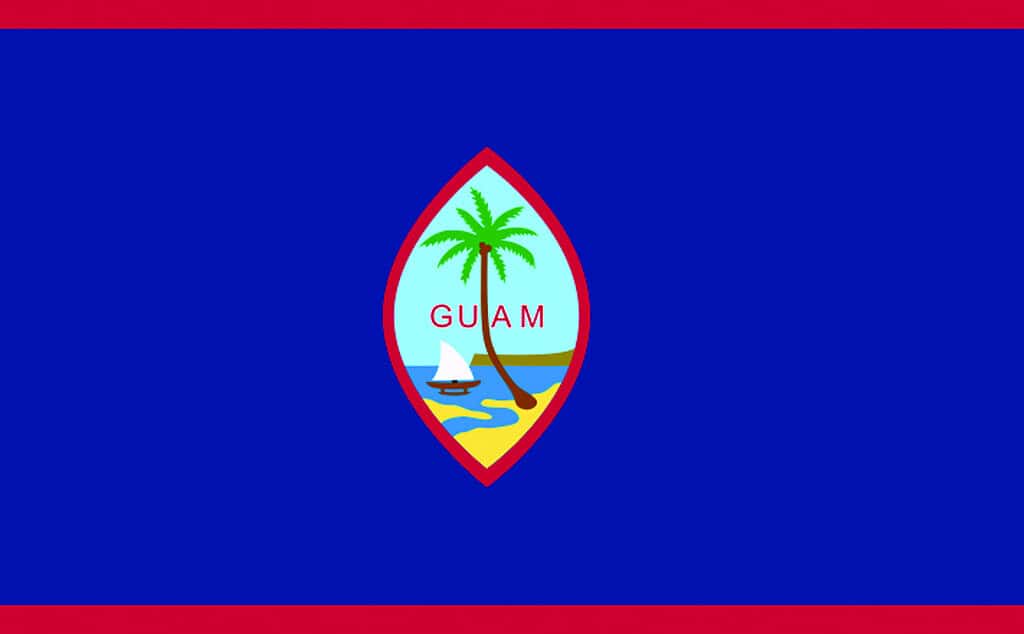
GUAM’S Environmental Protection Agency is proposing stricter water monitoring and public notification rules in response to a dieldrin contamination scare in Yigo. Under the new requirements, all public water systems would conduct tests every three months, with any detection triggering extended monitoring and immediate public alerts. The proposed update follows criticism of delayed communication by the Guam Waterworks Authority after several wells in Dededo and Mangilao were found with elevated dieldrin levels. The interim action level remains 0.2 parts per billion – a concentration linked to long-term cancer risk. The search for a permanent treatment system for the affected wells is underway.

THE pro-independence FLNKS coalition has fractured further as the Progressist Union in Melanesia (UPM) announced its departure, following a similar exit by the PALIKA party. UPM leader Victor Tutugoro cited the FLNKS’s increasing radicalisation, “violent operating mode,” and domination by the Union Calédonienne faction as reasons for the split. The divisions follow the controversial appointment of CCAT leader Christian Téin as FLNKS president, even while he faces charges related to the riots in 2024. The splintering of moderate groups is a sign of deepening internal divisions within New Caledonia’s independence movement.

THE Marshall Islands has launched the world’s first national universal basic income (UBI) system, providing each citizen with $USD800 per year, which will be distributed quarterly. Payments are delivered via a blockchain-based stablecoin (USDM1), bank deposit, or check, using a digital wallet named Lomalo to ensure access for residents in remote areas. The plan aims to reduce financial exclusion and support basic needs, with additional assistance being made available for those facing exceptional circumstances such as food or housing insecurity.

NAURU has successfully avoided removal from the OECD’s official development assistance (ODA) recipient list, a move that would have potentially cost the island nation tens of millions in annual aid. With support from Australia and New Zealand, the OECD will maintain Nauru’s eligibility despite its recent classification as a high-income country. Retaining ODA status is critical for a nation, which relies heavily on foreign aid – Australia alone contributed 57% of its $AUD38.4 million in assistance in 2023. Experts warn that without this status, several key donors might reduce or cease funding, potentially creating an opening for increased influence from other states, including China.
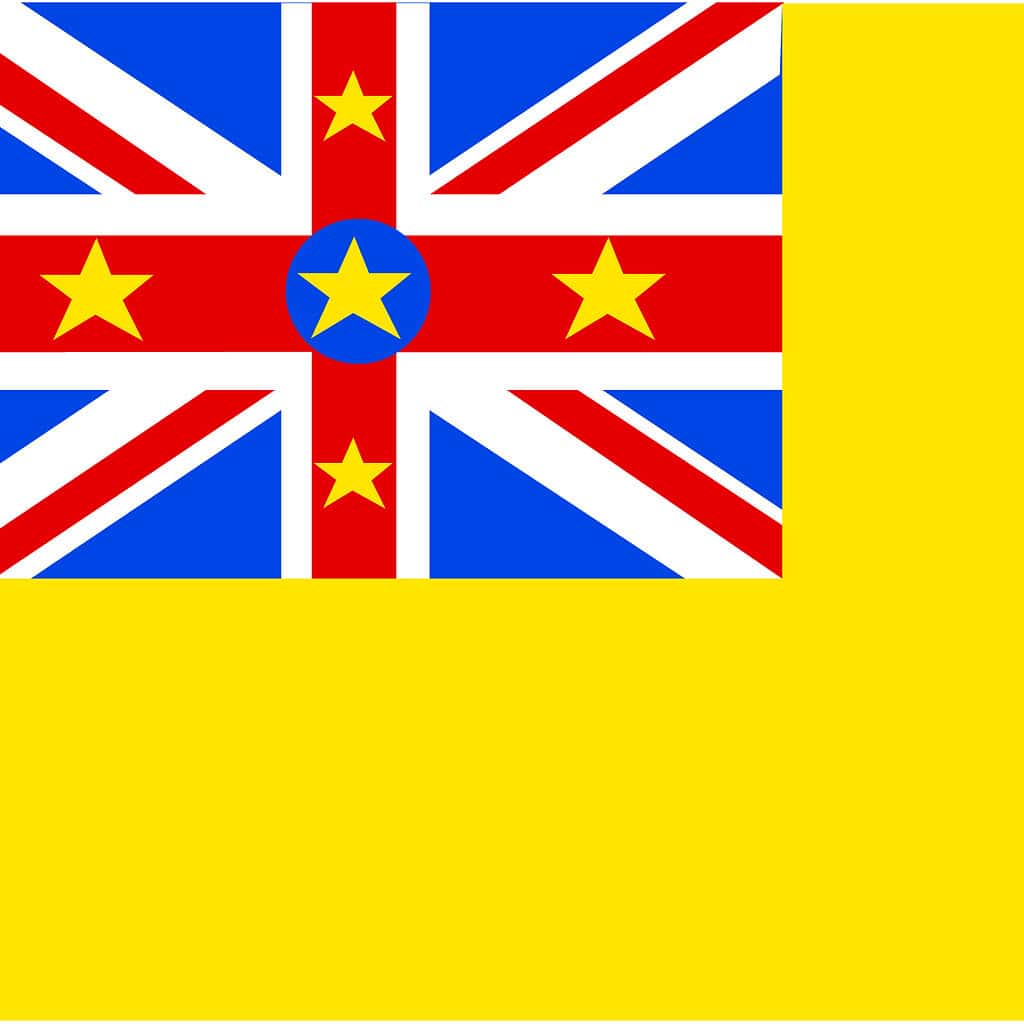
NIUE and New Zealand have moved to strengthen their relationship by signing a new Political Declaration, affirming Niue’s autonomy over its EEZ, land, and airspace while securing ongoing economic and administrative support. The agreement includes an annual leaders’ meeting and explicitly states that diplomatic disputes with other countries—such as the ongoing funding tensions with the Cook Islands—will not undermine the Niue-New Zealand partnership. The declaration means that Niue’s status as one of New Zealand’s closest Pacific partners is as solid as ever.

PALAU’S president Surangel Whipps Jr. has declared November 18–24 as World Antimicrobial Resistance (AMR) Awareness Week, highlighting the severe threat drug-resistant infections pose to public health and Pacific Island economies. With AMR projected to cause up to 32,000 deaths in the Pacific by 2030, Palau’s Ministry of Health has finalised a National Action Plan and new treatment guidelines to promote responsible antibiotic use. The initiative urges healthcare providers and the public to help slow down the spread of resistance, a move that will not only have positive ramifications now but will help safeguard future generations.

TREASURER Ian Ling-Stuckey has presented PNG’s record K30.9 billion 2026 National Budget, with a big focus being fiscal discipline and improved domestic revenue collection. The budget aims to reduce the deficit to 1.1% of GDP and lower public debt, continuing the government’s 13-year repair plan. Key allocations target infrastructure, law and justice, agriculture, and frontline services, with no new taxes introduced. However, implementation challenges—including institutional capacity, commodity price volatility, and persistent service delivery gaps— are major obstacles which will have to be overcome if sustained economic growth and improved public welfare are to be achieved.

PRIME Minister La’aulialemalietoa Schmidt has temporarily banned Samoa Observer reporters from government press conferences, accusing the newspaper of unfair and inaccurate coverage, particularly regarding his recent health treatment in New Zealand. The Journalists’ Association of Samoa and regional media groups have condemned the move, urging the Prime Minister to reverse the ban and use existing media complaints procedures instead. Former Prime Minister Fiame Naomi Mata’afa criticised the decision as an attack on press freedom and accountability. The incident has raised concerns over the independence of the media and government transparency in Samoa.

PROGRESS on a $190 million Australian aid package to expand the Royal Solomon Islands Police Force has stalled nearly a year after its initial announcement. While Australia has committed to the funding of a new police training academy and supporting security capacity, the two nations have yet to sign a final agreement. Prime Minister Jeremiah Manele cited unresolved language in the pact and the need for a detailed assessment of what the Solomon Islands’ needs are when it comes to policing. The delay reflects broader sensitivities over security cooperation in the region, particularly amid China’s growing police training and support in the Solomon Islands.

POLLS have closed in Tonga’s 2025 general election, with voters selecting 17 people’s representatives and nobles electing nine members to the Legislative Assembly. Preliminary results are expected shortly, with official returns to be presented to the King by December 4. Notable noble winners include Lord Fakafanua and Lord Tu‘ivakano, both considered to be potential prime ministerial candidates. The election proceeded under existing laws that do not permit overseas voting, thus limiting participation to the approximately 64,700 registered voters residing in the kingdom.

TUVALU and regional climate advocates are urging Australia to increase its climate action and support, arguing that current commitments fall short of addressing existential threats faced by low-lying atoll nations. Despite the Falepili Union treaty, concerns remain over Australia’s ongoing fossil fuel exports and inadequate climate finance. Tuvalu seeks stronger emissions reductions, greater adaptation funding, and more urgent implementation of mobility provisions to ensure community safety and sovereignty in the face of rising seas and climate impacts.
VANUATU’S Opposition bloc has announced that it will boycott the government’s upcoming National Forgiveness Ceremony, denouncing the event as a politically motivated gesture lacking genuine reconciliation. Opposition leaders argue the ceremony fails to address underlying grievances or ensure accountability for past actions, calling instead for transparent dialogue and substantive policy changes. The boycott is a sign of ongoing political tensions and challenges to national unity, casting doubt on the effectiveness of symbolic peace-building efforts in the current climate.


