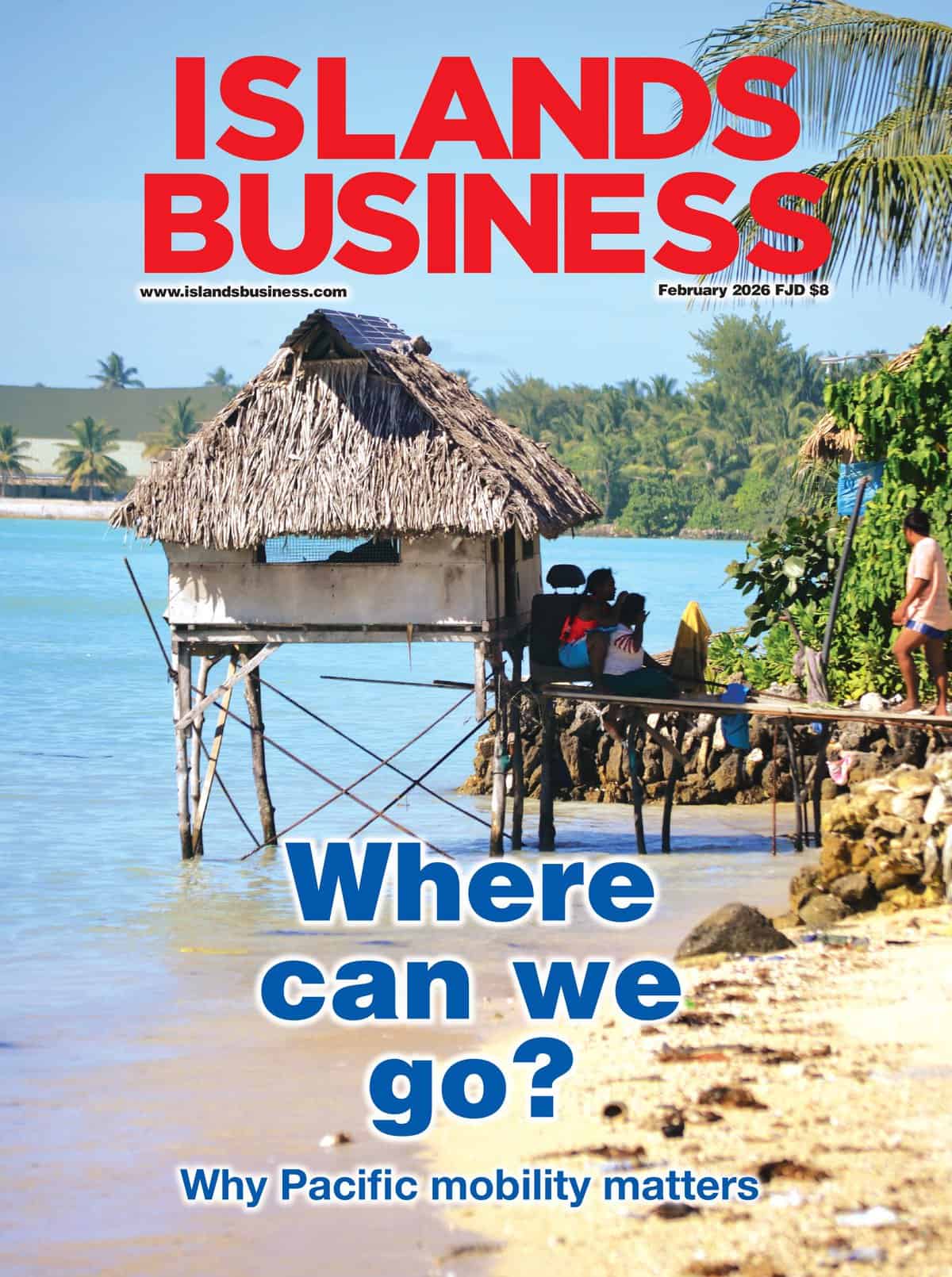
THE saying goes: You shouldn’t put all your eggs in one basket. But the fact is that for many countries in the region, tourism is often the biggest, if only basket.
The outbreak of war between the US, Iran and Israel in the Middle East means there will be a trickle-down effect on international oil, gas and fuel prices. More than 30 per cent of global oil and 20 per cent of gas production comes out of this conflict zone.
Iran’s restriction of shipping through the Strait of Hormuz will, if it is prolonged, have profound implications for the tourism industries of Pacific Island countries.
The numbers
According to the World Bank, between 2000 and 2019, tourism was a major economic driver in the Pacific, with receipts growing at more than five per cent per annum – $USD1.5 billion in 2010 to $USD2.4 billion in 2019. This amounted to more than 10 per cent of GDP for at least seven of the Pacific Island countries surveyed. Fiji, Palau, Samoa, and Vanuatu were chief among this group, earning 25–35 per cent of GDP from tourism. This places them among some of the most tourism dependent countries in the world, well above the world average.
A crisis hits: COVID-19
Tourism is a great revenue earner when everything is smooth, but the vulnerabilities are quickly apparent during a crisis. The COVID-19 pandemic was not the first shock to hit the tourism sector in the Pacific. It has always been vulnerable to political crises and natural disasters. Arguably, COVID-19 has been the worst so far in terms of the detrimental impact on tourism.
International travel to and from the region stopped in March 2020, and did not resume for almost two years. In that period, the World Bank observed that international visitor spending declined by 81 per cent. The damage to tourism value chains has been long-lasting – many companies either closed or transitioned to other activities. Many of those formerly employed in the sector also found other ways to make a living.
Today’s crisis: Fuel shortages
In classic economics, a shortage in supply will lead to an increase in demand, and as a direct corollary to that; higher prices for whatever is being sold – in this case, fuel. It is a natural downstream effect of the current Middle East crisis, exacerbated by Iran’s decision to close the Strait of Hormuz, thus depriving the world of a substantial portion of what the global economy needs to function – energy.
Tourism: The implications
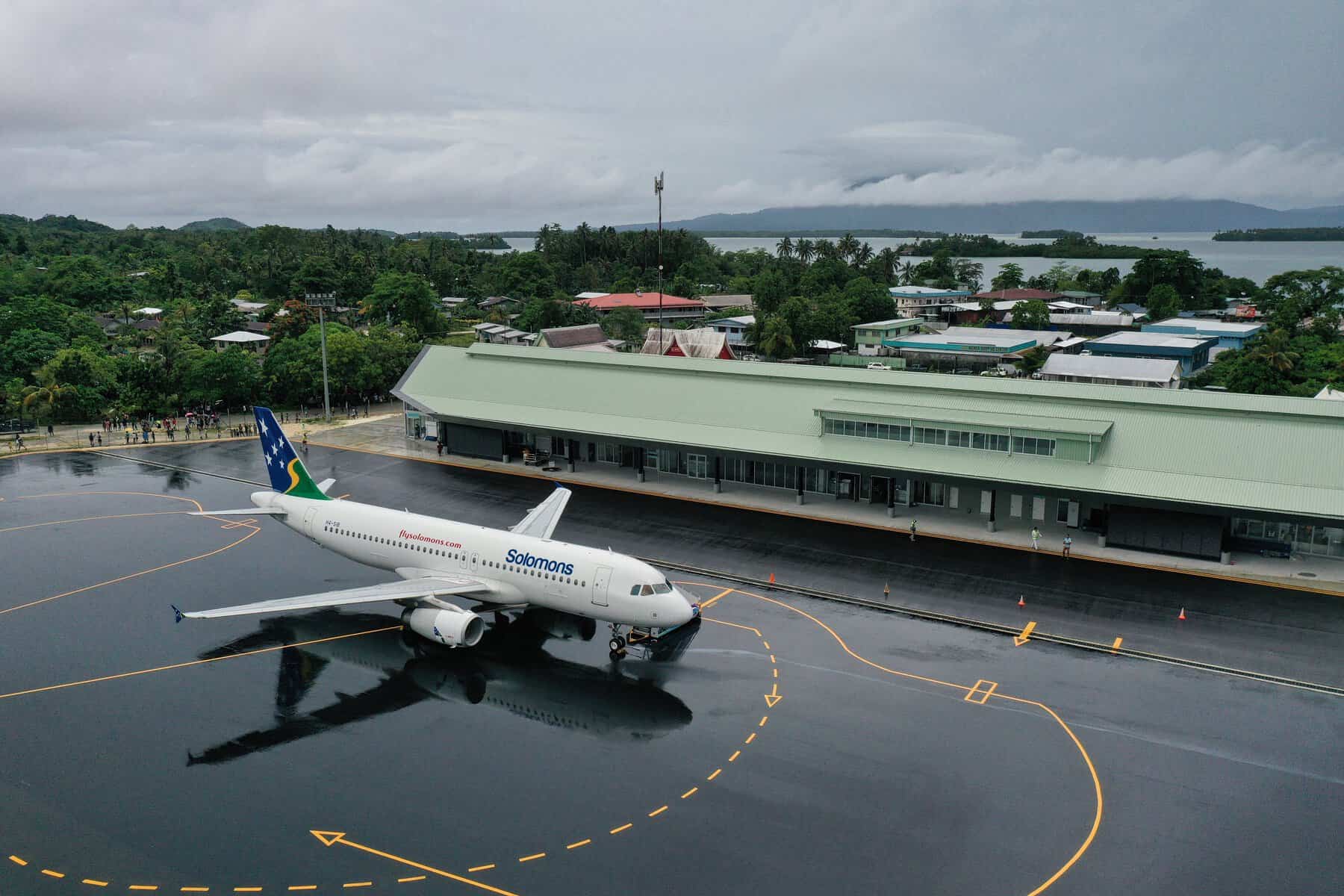
As during the pandemic, tourism looks like it is in for another major blow. Last time, airlines stopped flying, following government travel bans and restrictions. There was a resultant collapse in passenger demand. If planes are not in the air, it means people are not travelling – thus, no tourists. Airlines are already making cutbacks and price adjustments. Air New Zealand is cutting back flights through to May by 5 per cent, and Qantas is hiking ticket prices to mitigate rising fuel costs. This passes the cost on to the consumer, which could again lead to a collapse in demand.
As the two dominant source markets for Pacific Island countries, this does not augur well for the region. Maybe it’s time to start thinking about finding other baskets for our eggs.