SOLOMON Islands is reshaping its tourism sector, putting people, culture, and sustainability at the heart of development.
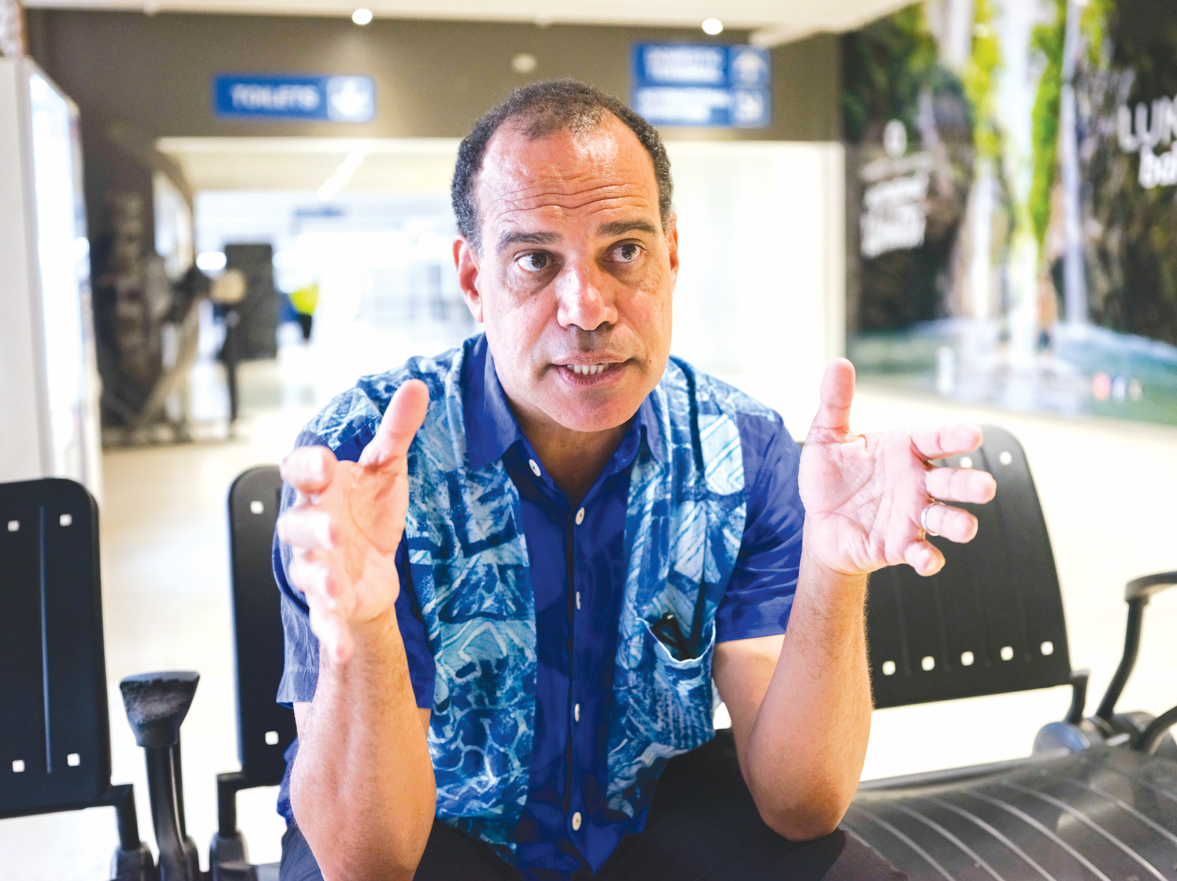
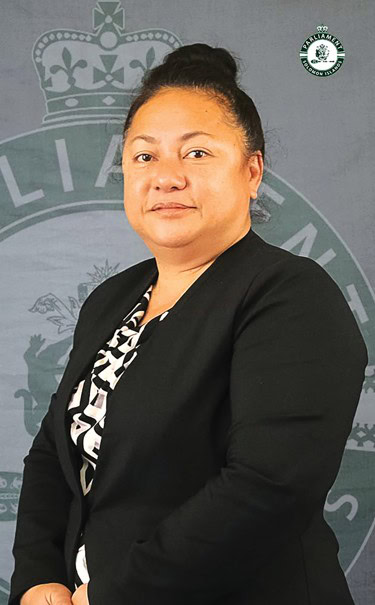
“Tourism must benefit our people,” Minister for Culture and Tourism Choylin Yim Douglas said in an interview with Islands Business.
“It is not just about bringing in more visitors – it is about building an industry that uplifts communities, protects our heritage, and grows our economy for the long term.”
After the disruptions of COVID-19, tourism is bouncing back. “We are moving from recovery into a growth phase,” Douglas said, with a government target of 100,000 visitors by 2035.
But numbers are only part of the story. “If tourism is to succeed, it must be meaningful.
“We are focused on strong local participation and ensuring communities see the benefits directly.” A new national tourism policy aims for steady, sustainable, and inclusive growth, supported by investment in new tourism products, transport infrastructure, and connectivity across the islands.
“Authentic experiences, local ownership, and equitable benefit-sharing are central to our strategy,” Douglas said.
“We want the world to discover the real Solomon Islands, but we also want our people to feel proud and empowered.”
Culture, community, and change
The government is investing in cultural preservation and new attractions to set the nation apart. Projects like the Haus No.1 Museum in Tulagi and the Bloody Ridge National Historical Park are being designed as flagship sites, connecting visitors with history while promoting national pride.
Haus No.1 Museum in Tulagi will showcase artefacts and stories from the Solomon Islands’ colonial and wartime past. Bloody Ridge, on the outskirts of Honiara, is one of the most significant World War II battle sites in the Pacific, where United States and Japanese forces fought a pivotal battle during the Guadalcanal campaign.
Both sites are being developed to preserve history while creating meaningful cultural and heritage tourism experiences.
Legislation such as the Traditional Knowledge and Expressions of Culture Bill is strengthening protection of cultural assets.
“We want visitors to experience our traditions respectfully, and we want those traditions to thrive for future generations,” Douglas said.
Community-based tourism is also taking centre stage, especially for women and youth.
“Most of our resources are communally owned. That is a unique strength,” Douglas noted.
Initiatives like the Western Solomons Surfing Association and the Young Tourism Entrepreneurs Policy are empowering young people to become operators, guides, and business owners.
The ‘Hapi Isles’ spirit
With visitor numbers climbing, the ministry is backing upgrades and new hotel developments, especially in Honiara and the provinces.
Visitor arrivals have been steadily recovering since the pandemic, with Solomon Islands recording about 25,000 arrivals in 2024 as the sector continues its post-COVID rebuild. New accommodation projects are being planned and constructed in Honiara and several provinces to support anticipated growth in tourism and improve capacity for international visitors.
“We know accommodation is key, and we are making sure our hotels meet international standards,” Douglas said. New direct flights—including to China—are in the pipeline, and digital marketing is ramping up to put the Solomon Islands firmly on the map.
Douglas stresses that growth will not come at any cost. “Environmental and cultural responsibility is non- negotiable.” The government is also diversifying into conferences, sports tourism, and special-interest travel, while relaunching the Hapi Isles destination brand.
“Branding is a promise. When visitors arrive, they should feel the warmth and happiness of our people. That will make them return and tell others.”
She added: “All Solomon Islanders must embody a spirit of hospitality being friendly, welcoming, and genuinely happy to host visitors. Our people are the greatest asset of our tourism sector.”
The minister is clear-eyed about the industry’s future.
“Tourism can be a major driver of growth, jobs and opportunity, but only if we get the model right. That’s why we are pursuing the Triple-P approach: Public-Private Partnership. We want the government, landowners, and private investors working together. Everyone should have a stake in our success.”
“We are building a tourism industry that genuinely benefits our people and preserves what makes Solomon Islands special – today, and for generations to come.”