EDUCATION in the Pacific is defined by a critical paradox: significant strides in access coexist with profound deficits in quality, equity, and relevance.
While primary enrolment rates are commendably high— often exceeding 90 per cent—this achievement is undermined by alarmingly low proficiency in foundational literacy and numeracy. Regional data indicates that only a fraction of students meet expected learning benchmarks, with many failing to acquire basic reading skills after years of schooling.
Chronic underinvestment is a central pillar of this crisis. Most Pacific Island countries allocate less than 15 per cent of public expenditure to education, with several investing below four per cent, according to World Bank data. This financial constraint directly impacts the teaching environment, limiting resources for infrastructure, learning materials, and essential facilities like clean water and sanitation. Furthermore, education budgets are disproportionately consumed by salaries, leaving minimal funding for critical areas such as teacher professional development and system improvement.
The system is also marked by stark and persistent inequities. Disparities in access, completion, and outcomes are pronounced across lines of gender, location, wealth, and disability. Challenges such as over-age enrolment and rising Pacific education’s crisis challenge dropout rates—particularly in Melanesia—point to systemic failures in student engagement and support. In the informal sector, which includes vital community-based and agricultural training, support is fragmented and short-term.
As Pacific Farmer Organisations Managing Director Kyle Stice said, this sector operates with “very limited support… leading to fragmented, short-term programming and disrupted services,” which undermines continuity and the scaling of effective models.
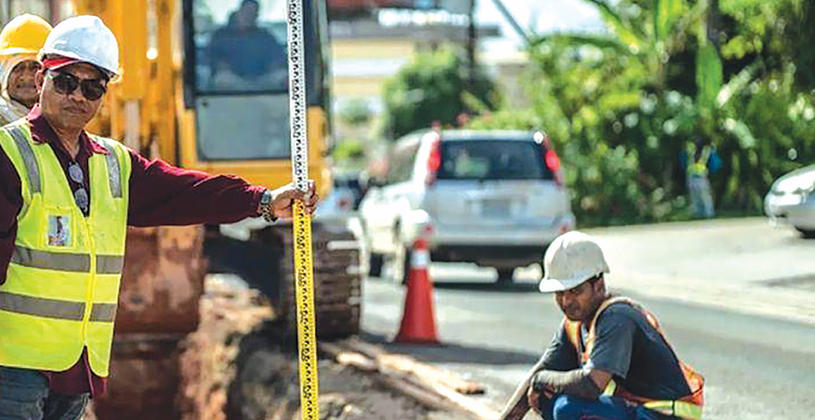
Simultaneously, there is a growing disconnect between formal education outputs and the needs of the economy and society. Industry leaders report a significant readiness gap in graduates. Shivan Permal, Managing Director at Permal Consultants, who has extensive experience both locally and around the region, said there is often a mismatch between theory and practice.
“There’s still this gap in what’s actually being taught as to what the industry actually needs… what we expect from them is not getting delivered,” he said.
At the same time, the formal curriculum often neglects essential skills like critical thinking and creativity. Sachiko Soro, Director at Vou, argued this omission is a critical failure. “A lot of the curriculum is rote-learned and it’s not teaching our young people critical thinking or how to question,” she said. “We need to give them the tools to do that.”
Reality check …. Pacific education must reflect the needs of people and economies
The path forward: Strategic imperatives for a resilient future
Addressing these multifaceted challenges requires a decisive shift in policy, investment, and pedagogical focus. The future of Pacific education must be built on four interconnected pillars.
- Prioritise quality and foundational learning: The region must urgently move its focus from mere enrolment to demonstrable learning. This requires a dedicated investment in early-grade instruction to ensure every child achieves literacy and numeracy proficiency. Strengthening assessment systems is crucial for data-driven policymaking and accountability.
- Invest equitably and strategically: Meeting SDG 4 targets is impossible without increased and more efficient public investment in education. Funding must be reallocated toward high-impact areas: teacher training, learning resources, and inclusive infrastructure. In the informal sector, Stice advocates for a shift toward “core funding, longer-term programme support, and incentives that recognise informal education as a legitimate and effective development pathway.”
- Bridge the gap between education and livelihoods: Curricula at all levels must be reformed to enhance relevance. This involves strengthening technical pathways and fostering stronger industry partnerships for mentorship. As Permal said, “The attitude to learn is important… we need to have a teachable attitude.” In parallel, informal education must be leveraged to build practical, climate-resilient livelihoods for those who may not be so academically inclined. Success stories, as Stice observed, can shift perceptions. “When farmers see peers succeeding and making a viable living for themselves through diversified production, improved practices, and smarter market engagement, perceptions begin to shift,” he said.
- Champion inclusion, creativity, and holistic development: Systemic barriers that exclude marginalised groups must be dismantled. Furthermore, the curriculum must actively encourage the innovation required for economic diversification. Integrating arts and creative subjects is not a luxury but a necessity. As Soro argued, “We absolutely 100 per cent need it… It equips our young people with critical thought and the tools to be able to survive in a new era.”
Where we need to get to is clear: a system is needed that moves beyond merely providing educational access to one guaranteeing quality, relevance, and equity for every learner.
By making these strategic commitments—grounded in the insights from industry, the arts, and community development— the region can transform its educational landscape.
The goal is to ensure that the proverb of “teaching a man to fish” becomes a tangible reality, equipping Pacific people with the adaptable skills needed for lifelong sustenance, prosperity, and resilience in a rapidly changing world.