A NEW model of Pacific engagement is essential if development partners want to make a real difference in the region.
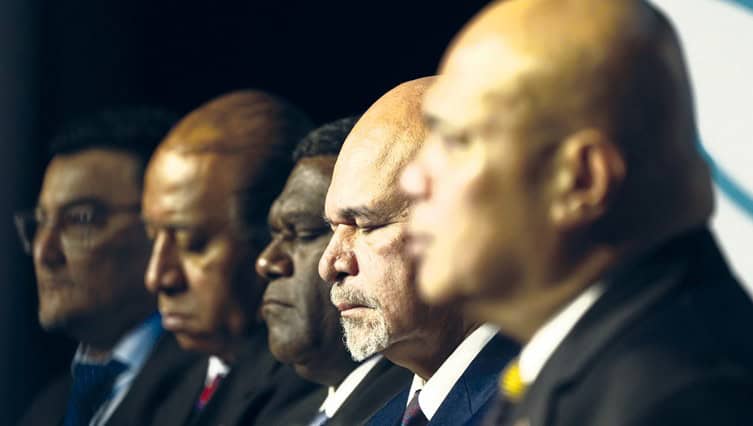
The recent Pacific Infrastructure Conference in Brisbane, Australia, brought together a plethora of government officials, investors, contractors, and funding agencies with a common purpose.
That is, to spend money on developing roads, airports, utilities, schools, and anything that will show that
infrastructure is being upgraded or improved.
But the question, as is this: by whose standards and through whose lens or worldview is Pacific infrastructure being developed? And more importantly, when does development become more dangerous than beneficial to small island economies?
There is an emerging thought in regional academia, based on the culture of restraint, which is an integral part of island living. From an early age, islanders are taught the concept of restraint – be it in connection with remaining silent to avoid conflict, or in the responsible management of natural resources.
Islanders are taught to catch enough fish for consumption and to provide for those in need. Any more than that is irresponsible in an environment in which power and refrigeration are non-existent in the worst of times, and patchy at best.
Excessive infrastructure can put terrible strains on small ecosystems, and that is why any development model must be based on solid geotechnical surveys, environmental impact assessments, and conversations with the people whose land or marine resources will be affected.
In Fiji, many villages in Bua found out too late that bauxite mining would have enormous, irreversible impacts on the land, the sea, and relationships between landowners. The people were initially attracted by what they thought would be huge financial rewards.
By the time they realised that the damage to their planting and fishing areas far outweighed the bauxite royalties, it was too late.
Fiji’s Public Works Minister, Ro Filipe Tuisawau, told the conference that infrastructure ministers needed to meet every year to discuss development. Ministers for economy and foreign affairs meet regularly under the auspices of the Pacific Islands Forum Secretariat.
Infrastructure, with its possible negative impacts on communities, deserves to be discussed regularly at the highest level.
However, it is imperative that participants look to the sustainability of the environment and their communities whenever development is discussed. And they must address the issues of waste management in fragile ecosystems, which may disappear forever if not handled with extreme care.
Perhaps a new development model can take on board the motto: “In all things, restraint.”